Monday, January 03, 2022

10 Body Signals That May Be Warning You About Your Health

The human body is a magnificent natural machine. Of course, from time to time, our body does suffer the occasional health problem, but it’s well equipped to deal with many of them, by sending us signals explaining what the problems with our insides are. Therefore, it’s important to know what these signals look and feel like, and understand what they mean. Here are 10 body signals we all need to take seriously.

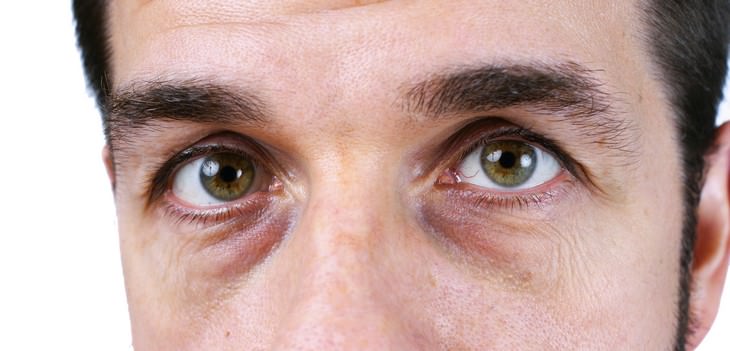
1. Dark Circles Below Your Eyes
body health, signs, signals
It’s recommended that you sleep between seven and eight hours per night. If you don’t, it will usually be visible to other people in the form of dark circles underneath your eyes. Yet, this is not the only reason you may have dark circles. Anemia (a lack of red blood cells) is one condition that can result in the same symptom. 
 
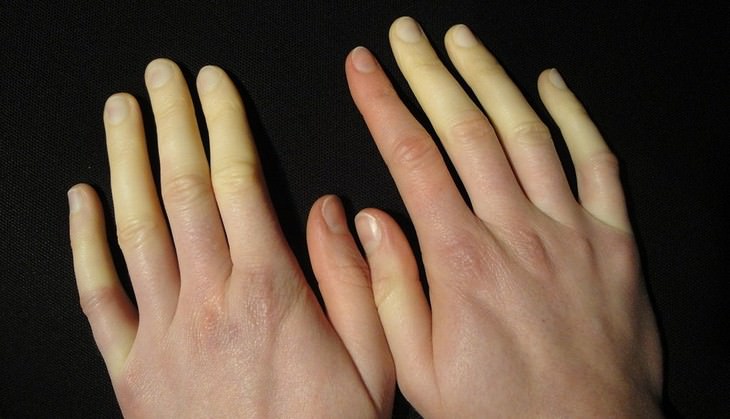
2. Your Fingers Changing Colors
body health, signs, signals
Have you noticed any change in the color of your fingers? If so, we strongly urge you to speak to your doctor about it. Reynaud’s Syndrome can result in this symptom. With Reynaud’s, low temperatures lead to blood vessel spasms, which change the skin color of your fingers.

3. Blurry Vision
Do you get tired eyes and blurry vision more than you used to? If you sometimes feel that you can’t recognize or read things that you’d expect to be able to, you could well have astigmatism or short-sightedness. We advise that you make an appointment to see an optician.  
 
4. Blobs and Stripes in Your Eyesbody health, signs, signals
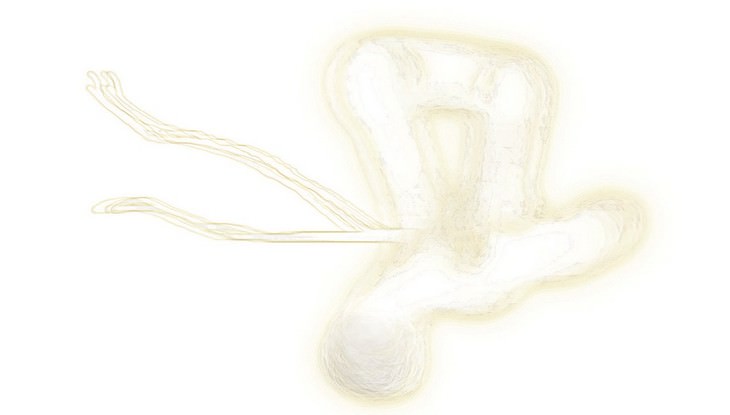
There are many different types of obstructions that can suddenly appear in your field of vision, though they are often found in the presence of bright white light. These dots or stripes known as ‘eye floaters’ could be an early sign of cataracts or other eye problems; therefore, you should consult an optician for a thorough examination – particularly if they persist for more than a week.  
 
5. Rumbling in Your Belly
body health, signs, signals
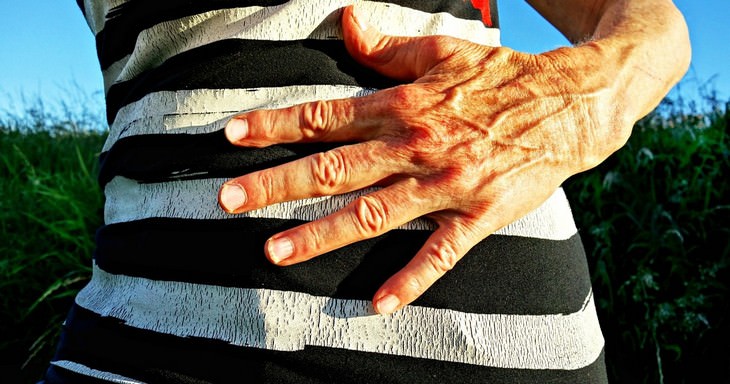
Processes ongoing in your intestines often make a kind of rumbling sound, which we tend to associate with feelings of hunger. Yet, if you begin to hear these noises regularly even when you are not about to eat or have finished eating, you ought to see a doctor straight away – especially if the sound is accompanied by pain. If, however, the sounds are quite rare, you need not be concerned.

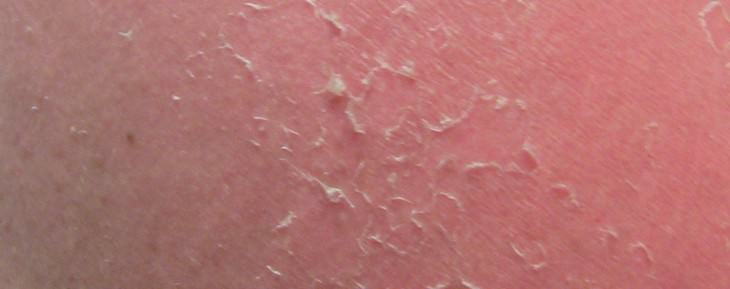
6. Peeling Skin
body health, signs, signals
If your skin is peeling, you probably lack essential vitamins. Fortunately, you can remedy this by improving your diet, and making your meals more balanced. If, however, your peeling is accompanied by an itch, you may have a fungal infection. In which case, we recommend you go see a doctor as soon as you can. 
 
7. Loss of Sense of Smell

body health, signs, signals
As we get older, damage to our nervous system reduces the sharpness in our sense of smell. Yet, sometimes this loss occurs in young people too. If you notice this, and you are young, please see a doctor right away. Your symptom could be caused by a viral infection or a strong cold.  
 
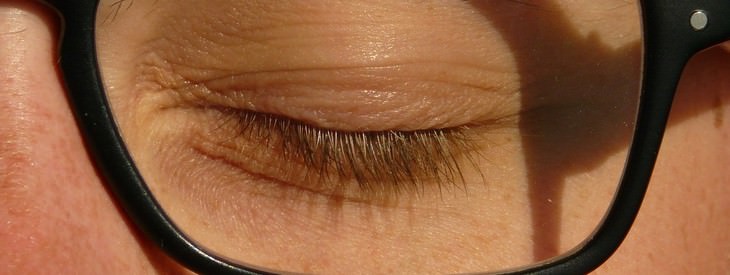
8. Twitching Eyelids
body health, signs, signals
If your eyes are tired from overwork, they may start twitching involuntarily. To stop this, all you need to do is wash your eyes using cotton pads that have been soaked in cold water. However, if this remedy doesn’t stop your twitching, you will need to see a neuropathologist. You may be experiencing twitching because of a grave problem with your nervous system.

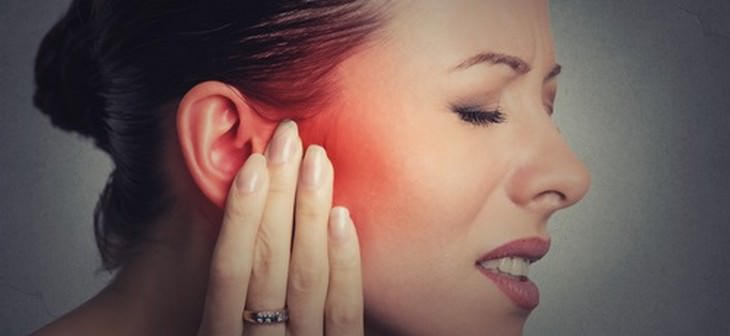
9. A Ringing in Your Ears
body health, signs, signals
Known as tinnitus, constant ringing in the ears is a common problem that many people feel tempted to ignore, in the belief that it’s unrelated to their health. In most cases, the sound is caused by spending time in certain types of noisy environments. However, it could be that tinnitus is caused by an underlying illness. Check with your doctor to make sure.  
 
10. Dislocation of Shoulder Joints

body health, signs, signals
When someone’s shoulder joints can be moved in many different directions and seem to be loose, the joint is said to be ‘unstable’. Some people are born with the kind of flexible ligaments to allow such apparently free movements, and other people have acquired the condition through an injury. In either case, though, the condition can cause further injuries and should be considered dangerous.

This is only for your information, kindly take the advice of your doctor for medicines, exercises and so on.   

https://gscrochetdesigns.blogspot.com. one can see my crochet creations  
https://gseasyrecipes.blogspot.com. feel free to view for easy, simple and healthy recipes    
https://kneereplacement-stickclub.blogspot.com. for info on knee replacement


Labels: , , , , , , , , ,

Thursday, February 18, 2021

Here's How to Deal With Panic Attacks

A panic attack is a sudden feeling of intense anxiety, which may also be accompanied by a number of intense physical symptoms, including nausea, disorientation, shaking, an irregular heartbeat, dizziness, sweating, restlessness, tingling fingers, ringing in your ears, and shortness of breath. 
 
These symptoms aren't typically dangerous but can be absolutely terrifying to experience, especially if you've never had a panic attack before. They can make you feel as though you're having a heart attack, and may last anywhere from a few minutes to half an hour.

What Causes a Panic Attack?

The symptoms described above tend to kick in when your body enters 'fight or flight' mode, as the result of a distressing physical or psychological stimulus. Your rate of breathing speeds up as your body tries to increase its oxygen intake. This causes a number of hormones to be released, such as adrenaline, making your muscles tense up and your heart beat faster.
How Should I Handle a Panic Attack? 
Professor of Clinical Psychology and Applied Science at the University of Bath, Paul Salkovskis, says that it's very important not to allow your fear of panic attacks to take over. "Panic attacks always pass and the symptoms are not a sign of anything harmful happening," he says. "Tell yourself that the symptoms you're experiencing are caused by anxiety." 
 
He points out that during a panic attack, one should avoid looking for distractions, but to ride out the attack instead. "Try to keep doing things. If possible, don't leave the situation until the anxiety has subsided. Confront your fear. If you don't run away from it, you're giving yourself a chance to discover that nothing's going to happen." 
 
Once the anxiety begins to subside, you should focus on your surroundings, and carry on with whatever you were doing before the attack began. "If you’re having a short, sudden panic attack, it can be helpful to have someone with you, reassuring you that it will pass and the symptoms are nothing to worry about," says Professor Salkovskis. 
 
Try Breathing Exercises to Help Ease Symptoms

If a panic attack causes your breathing pattern to rapidly speed up, controlling your breath by means of breathing exercises is an effective way of easing some of the symptoms. Try this:
 
1. Breathe in through your nose, as gently, slowly, and deeply as possible. 
 
2. Breathe out through your mouth, gently, slowly, and deeply. 
 
3. While breathing in and out, you may find it useful to count from one to five for each inhalation or exhalation.
 
4. Close your eyes, and simply focus on your breathing. After practicing this for a few minutes, you should begin to feel better. However, it's perfectly normal to feel a bit fatigued afterward. 
 
 How Can I Prevent Panic Attacks? 
In order to try and prevent panic attacks from occurring, Professor Salkovskis says that "you need to try to work out what particular stress you might be under that could make your symptoms worse," but that "it's important not to restrict your movements and daily activities." 
 
Here are some things that may help you to prevent panic attacks: 
 
• Doing breathing exercises or practicing meditation on a daily basis. 
 
• Eating regular meals to help stabilize your blood sugar levels. 
 
• Exercising regularly to help you manage stress, boost your confidence, release tension, and boost your mood. 
 
• Avoid smoking, alcohol, and caffeine, since these can aggravate your symptoms. 
 
• Cognitive Behavioral Therapy (CBT) can get to the root of your problem and can alter the negative thought patterns that are fueling your attacks. 
 
• Joining a panic support group can also be very helpful and reassuring. 
 
Should I See a Doctor? 
While frightening, panic attacks are typically relatively harmless. However, for more severe cases, it would be a good idea to get a professional opinion. 
 
You should see your doctor if: 
 
• You feel unwell after your breathing returns to normal. 
 
• Your panic attack still hasn't subsided after 20 whole minutes of controlled breathing exercises. 
 
• You still have an irregular or rapid heartbeat or chest pains after the attack subsides. 
 
• Your panic attacks become a regular occurrence.

This is only for your information, kindly take the advice of your doctor for medicines, exercises and so on.     

https://gscrochetdesigns.blogspot.com. one can see my crochet creations  
https://gseasyrecipes.blogspot.com. feel free to view for easy, simple and healthy recipes    
https://kneereplacement-stickclub.blogspot.com. for info on knee replacement

Labels: , , , , , , , , , , , , ,