Study lists down vitamin B12 deficiency symptoms that ‘may not reverse’; supplementation may also fail to help
Why is vitamin B12 essential for the body?
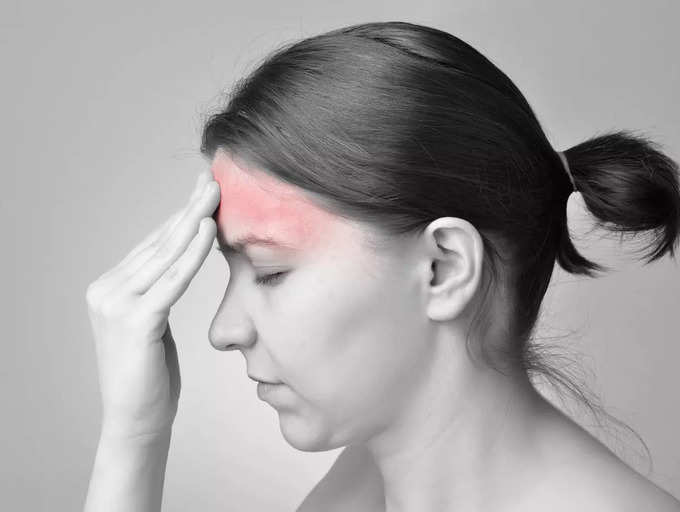
Vitamin B12 is one of the most essential nutrients for your body. It is not only necessary and needed to form red blood cells and DNA, but also plays a significant role in the development of the brain and nerve cells.
Given that this nutrient is not naturally made in the body and must be procured from certain food groups, many who do not consume enough of this vitamin, may suffer from low levels of vitamin B12. The worst part is that the benefits of this vital nutrient is not realized until the levels fall too low and start causing health problems.
How does vitamin B12 deficiency affect us?
According to the Cleveland Clinic, "Vitamin B12 deficiency happens when your body is either not getting enough or not absorbing enough vitamin B12 from the food that you eat that it needs to function properly."
That said, it can lead to physical, neurological and psychological problems if not treated on time.
As per the health body, vitamin B12 deficiency anemia is also a common problem that occurs when one's body does not have enough healthy red blood cells because of vitamin B12 deficiency.
Those who are 60 years old or older are more likely to have vitamin B12 deficiency compared to other age groups.
Signs that 'may not reverse', even with supplementation

A review, published in the AMA Journal of Ethics, found that certain effects of vitamin B12 deficiency 'may not reverse.'
Study researchers said, "Neurologic and psychiatric abnormalities associated with vitamin B12 deficiency may not reverse, despite proper supplementation."
Some of the signs include:
- Depression
- Irritability
- Diminished cognitive function (including memory problems)
- Psychosis
The link between vitamin B12 deficiency and Alzheimer's disease
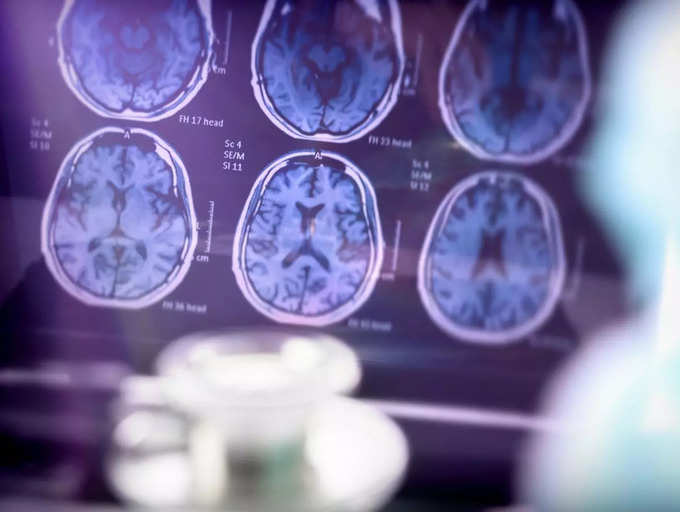
Several studies have tried to establish whether low levels of vitamin B12 can cause cognitive deficits, leading to dementia and a more specific disease such as Alzheimer's.
Alzheimer's disease is a progressive and an incurable disease that begins with mild memory loss and affects a person's brain functions and thinking abilities.
A review of 43 studies found that vitamin B12 levels in patients with Alzheimer's disease was categorized in the "subclinical low-normal range."
However, it also noted, "vitamin B12 therapy does not improve cognition in patients without pre-existing deficiency".
Most common signs associated with low levels of vitamin B12

The UK's National Health Services (NHS) says that vitamin B12 deficiency can develop gradually, but may worsen if not treated on time. Some of the symptoms include:
- Fatigue or extreme tiredness
- Breathlessness
- Headaches and dizziness
- Pale skin
- Heart palpitations
- Gastrointestinal issues
- Difficulty in concentrating
Get yourself tested

Besides identifying the signs, you can also resort to a blood test to confirm your diagnosis.
According to WebMD, "You can get it anytime, and you don’t need to go without food (fasting) before you do."
"A normal level of vitamin B12 in your bloodstream is generally between 190 and 950 picograms per milliliter (pg/mL). Between 200 to 300 pg/mL is considered borderline and your doctor may do more testing. Below 200 pg/mL is low and more testing is needed," the health body explains.
Include B12-rich foods to your diet

Foods like beef, pork, ham, poultry, lamb, fish (tuna and haddock), seafood like shellfish and crab, dairy products like milk, cheese and yogurt, along with eggs are among the best sources of vitamin B12.
Resort to supplementation only if your physician advises you to take it.
How does supplementation help

In case you're not getting enough vitamin B12 from your diet and the foods that you eat, supplementation is the best available alternative.
It can help improve overall health and help manage some health conditions.
While most people do not need vitamin supplements, studies show dietary supplement usage was higher among women than men. In adults, the prevalence increased with age.