Sunday, June 26, 2022

Endometriosis explainer: Does period pain stop you from doing your normal activities?

What is Endometriosis?
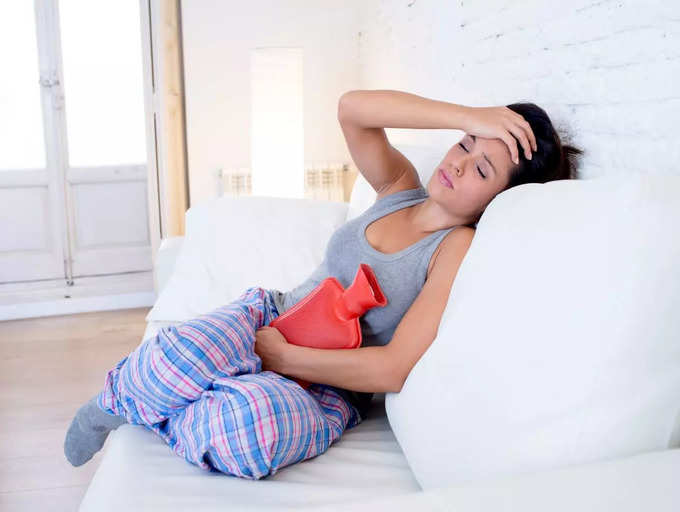
The inner lining of the uterus is called the endometrium, and it is shed through the vagina during menstruation. However, in endometriosis, fragments of this lining start to develop in places other than the uterus, such as the ovaries, fallopian tubes, vagina or the intestine.

An early diagnosis of the condition may result in better management of your symptoms. However, endometriosis manifests itself in a variety of ways due to which the diagnosis can be difficult and is often delayed.

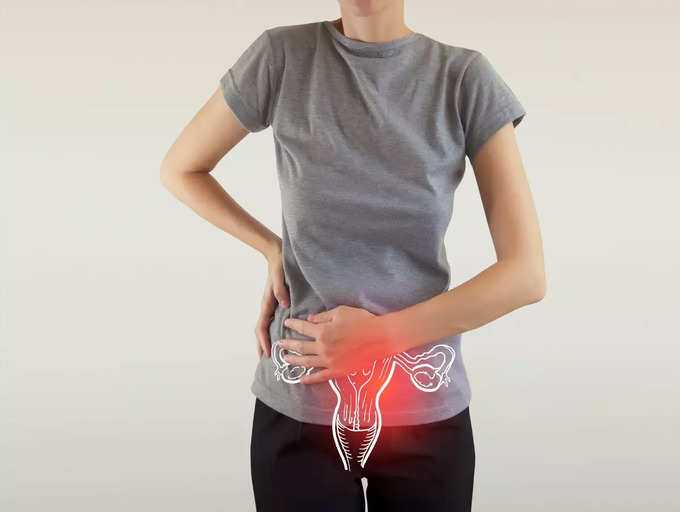
Many people ignore period pain thinking it to be a normal part of periods. However, painful periods that stop you from doing your normal activities are one of the main symptoms of endometriosis.

readmore

​Endometriosis symptoms

Not everyone with endometriosis experiences symptoms. These symptoms can vary in intensity from person to person. Also, the amount of endometriosis does not always correspond to the amount of pain and discomfort experienced.

Apart from period pain, classic endometriosis symptoms include pain during or after sex; infertility; painful bowel movements during your period; heavy menstrual periods or bleeding between periods; and fatigue, diarrhea, constipation, bloating or nausea, especially during your periods. You should see a gynecologist if you experience any of these symptoms.

readmore

Who can get this condition?

Any woman who has menstrual periods can get endometriosis. It mostly occurs between the ages of 25 and 40, but younger women can get it as well. It is rare for this condition to manifest before a girl has her first period. Teenagers who suffer with painful periods, faint or collapse during their period, or who miss school due to period problems should be considered as possibly suffering from this condition. Endometriosis can also persist after menopause in some women.

​Complications from endometriosis

The main complication of endometriosis is impaired fertility. Up to 30% to 50% of women with endometriosis may experience infertility. Surgery to remove visible patches of endometriosis tissue may help, but there's no guarantee that this can help you get pregnant. However, not all women with endometriosis will have infertility problems and will eventually be able to get pregnant without requiring fertility treatment.

Endometriosis can also affect the bladder. Symptoms for endometriosis on the bladder can vary with the menstrual cycle and usually worsen in the days before and during a period.

Symptoms for bladder endometriosis include bladder irritation, need for frequent urination, pain when the bladder is full, occasional blood in the urine during periods and loin pain in the area of the kidneys in some cases. There is no cure for endometriosis and it can be difficult to treat. However, it is essential to seek professional guidance and treatment to ease symptoms so that the condition does not interfere with your daily life.

readmore

This is only for your information, kindly take the advice of your doctor for medicines, exercises and so on.   

https://gscrochetdesigns.blogspot.com. one can see my crochet creations  
https://gseasyrecipes.blogspot.com. feel free to view for easy, simple and healthy recipes    
https://kneereplacement-stickclub.blogspot.com. for info on knee replacement

Labels: , , , , , ,

Tuesday, March 29, 2022

New Study Finds Way to Diagnose Endometriosis Without Surgery

"Drug seekers" and "pill poppers" are some phrases that have been used to describe women seeking medical help from the suffering brought on by a chronic condition often mistakenly chalked up to "period pain." One study found a new way to diagnose endometriosis without the agony and costs of invasive surgery.

Endometriosis is an inflammatory condition when tissue that normally lines the uterus grows outside onto other organs. Over 11% of women between the ages of 15 to 44 may have this disorder, according to the Office on Women's Health.

Patients can experience a variety of symptoms, such as menstrual cramps, pain during sex, digestive problems, spotting, and infertility. The cause is unknown but could be linked to genetic factors or immune system disorders.

"Initially, painful periods, not normal -- that's a stigma that still exists that women are just going to suffer. No, pain is not ever normal, so let's get rid of that," 36-year-old April Summerford told NBC New York.

Many times during visits to the doctor, she was told she was normal and powered through the pain. In her experience, one doctor avoided her endometriosis diagnosis simply by remembering the line, “I don’t want it to be endo because I can’t help you.”

Over 1,800 women nationwide participated in this study, including Fresno, Calif. native Summerford, who has been battling infertility and the disease since she first started her menstrual cycle as a teen.

Approximately, 30% to 50% of endometriosis patients may experience infertility, based on the American Society for Reproductive Medicine.

"The severity does not correlate with disease symptoms, so you can have very severe disease with very mild symptoms. And then there are some people who do not have symptoms at all, and they learn about their diagnosis in an infertility workup or even in a C-section," Dr. Christine Metz told NBC New York.

Dr. Metz is one of the lead scientists at the Feinstein Institutes for Medical Research who worked on this study. She is also the co-director of Research OutSmarts Endometriosis (ROSE), which first launched this project in 2017.

The team studied menstrual effluent as a way to non-invasively diagnose the condition and identified cells in the blood that could differentiate between healthy and sick patients.

"We really pioneered studying menstrual effluent in the setting of any condition. It was not well studied prior to us jumping in, and it was really only studied for regenerative medicine purposes because there are stem cells as the endometrium regrows every single month," said Dr. Metz.

These findings are one step further toward acquiring tolerable treatments and shortening the delay between symptoms and diagnosis.

"The only treatment that has been developed in the last 12 years is also hormone-based just like all the other treatments developed thus far, and none of them treat the disease. They treat pain," added Dr. Metz.

March marks Women's History Month and Endometriosis Awareness Month. The team is recruiting the next phase of participants.


This is only for your information, kindly take the advice of your doctor for medicines, exercises and so on.   

https://gscrochetdesigns.blogspot.com. one can see my crochet creations  
https://gseasyrecipes.blogspot.com. feel free to view for easy, simple and healthy recipes    
https://kneereplacement-stickclub.blogspot.com. for info on knee replacement


Labels: , , , , , , , , , ,