These 10 Medical Treatments Are Often Not Needed
A recent study on medical care in the United States has put forward 10
diagnostic procedures and treatments that were overused during 2016. The
aim of the study was to highlight ways that the medical system could be
made more efficient and effective.
While doctors do an amazing job with limited resources, sometimes trying
to strike a balance between time and costs means pills and procedures
get prescribed to patients when they don’t really require them.
The team that carried out this study went through journal articles in
the PubMed archive, using search terms such as over-treatment,
inappropriate, unnecessary, and overuse. They looked at 2,252 papers, of
which 1,224 addressed the overuse of medicine directly. The researchers
then agreed on the following top ten.
1. Transesophageal Echocardiography
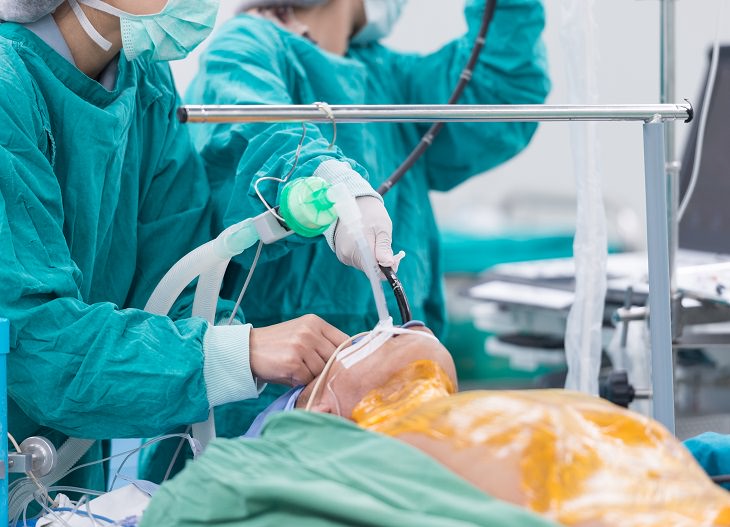
This ultrasound procedure takes pictures of your heart by inserting a tube into your esophagus. A doctor might use this instead of an electrocardiogram, but research suggests that any extra detail it might provide isn’t worth the risk of being sedated.
2. Computed Tomography Pulmonary
Angiography
This is a diagnostic test that uses a CT scan to provide images of
pulmonary arteries in patients suffering from respiratory problems. It’s
non-invasive, but it hits the patient with a dose of radiation.
Furthermore, waiting for the results can increase the risk of
complications developing.
3. Computed Tomography in Any Patients with Respiratory Symptoms
Any type of CT scan in a patient with non-life threatening respiratory symptoms does little to improve a patient’s outcome. To add to this, these scans raise the risk of false positives, where the test indicates a non-existent pathology.
4. Carotid Artery Ultrasonography and Stenting
Carotid ultrasounds test the width of arteries in the neck to determine
the patient’s risk of having a stroke. Early diagnosis could save
someone’s life, but the researchers found that 9 out of 10 tests carried
out on asymptomatic patients led to an artery-widening stent being
unnecessarily inserted.
5. Aggressive Management of Prostate Cancer
Prostate cancer is a condition that can be treated easily if found early. A blood test that searches for markers called prostate antigens can do that, but it’s hard to tell if they’re produced by an aggressive tumor that needs to be dealt with quickly or a slow-growing one that the patient can take to their grave.
6. Supplemental Oxygen for Patients with Chronic Obstructive Pulmonary Disease
Giving more oxygen to those with COPD didn’t make their lungs work better or improve their health. However, it can cause them to retain carbon dioxide in their body, which isn’t good.
7. Surgery for Meniscal Cartilage Tears
Tearing the shock-absorbing discs of cartilage inside your knee is a
serious issue, but getting it repaired surgically was found to have few
benefits that couldn’t be achieved through conservative rehabilitation
and management.
8. Nutritional Support in Medical Inpatients
Malnutrition doesn’t do a patient any good, but, on the other hand,
giving nutritional support to critically ill patients seems to make no
difference in terms of hospital stays or mortality.
9. Use of Antibiotics
A 2016 study found that, between 2011 and 2016, 506 prescriptions were being written for every 1000 people. Out of these 506 prescriptions, only 353 could be considered appropriate. The CDC aims to reduce inappropriate outpatient antibiotic use by 50% within the next couple of years. This will help to combat antibiotic-resistant bacteria.
10. Use of Cardiac Imaging
Cardiac imaging for patients with chest pain has tripled over the last
decade, while doing nothing for low-risk patients. This leads to
unnecessary hospital stays and interventions. Therefore, according to
the researchers, doctors should share their decision-making with their
patients.