Tuesday, August 12, 2025

Early Warning Signs of Accelerated Aging to Watch For

Aging is a reality that most people begin to think about as the years pass. Worrying about memory loss, changes in appearance, or losing physical independence is common. Sometimes, these signs don't just show up in ourselves but also in loved ones, which can feel even harder to deal with. 
 
One concept worth paying attention to is "accelerated aging." As the name suggests, this happens when the body starts aging faster than what would be expected for a person's actual age. It can happen for a variety of reasons, such as limited physical activity, mental health struggles, and environmental pressures. Early detection matters, especially since research now connects accelerated aging to a higher risk of early-onset colorectal cancer. 
Let's break down some early warning signs to watch out for. 

1. Loss of Muscle Mass

Loss of Muscle Mass
Difficulty climbing stairs, decreased stamina, noticeable muscle weakness, or poor balance may indicate muscle mass reduction. Medical professionals often express concern about muscle loss because adequate muscle mass directly connects to stability, coordination, and balance—all critical elements for healthy aging.
 
 
Statistics show over 25% of older adults experience falls annually, with one fall increasing the likelihood of subsequent falls. This cycle often leads to diminished independence and additional health complications. 
 
Maintaining muscle mass remains essential for healthy aging. Regular exercise, particularly strength training sessions, combined with increased protein consumption, can help preserve and rebuild muscle tissue. Even modest strength training several times weekly produces noticeable improvements in muscle function and stability. 
 
2. Increased Frequency of Falls
While occasionally tripping over obstacles happens to everyone, repeated falls resulting in injuries warrant professional medical evaluation. Multiple factors might contribute to increased falls: environmental hazards around the home, medication side effects, underlying cardiac conditions, vision problems, or developing balance issues. 
 
Healthcare providers can assess gait patterns, recommend home safety modifications, and suggest appropriate assistive devices when necessary. Many falls occur in predictable locations like bathrooms, stairs, and bedrooms, making preventative modifications particularly effective. Simple changes such as removing loose rugs, installing handrails, and improving lighting can dramatically reduce fall risks. 
 
3. Cognitive Difficulties
Struggling with memory tasks like remembering payment deadlines or medication schedules may indicate cognitive changes. Recent driving incidents or navigation difficulties also suggest possible cognitive impairment.

Early diagnosis allows for prompt medical intervention and support systems, maximizing quality of life. Current research indicates that cognitive stimulation, social engagement, and certain medications may help slow cognitive decline when initiated early. Regular mental exercises, learning new skills, and maintaining active social connections all contribute to cognitive resilience. 

4. Trouble With Daily Activities
Difficulty performing basic activities of daily living (ADLs) like eating, dressing, or using bathroom facilities independently signals accelerated aging. Similarly, challenges with instrumental activities of daily living (IADLs) such as shopping, medication management, and financial tasks indicate potential decline.
 
Functional difficulties often point to underlying issues: worsening chronic medical conditions, increasing frailty, memory problems, or mental health challenges. Left unaddressed, functional decline typically leads to inadequate nutrition, increased fall risk, and poor health management. Early intervention through occupational therapy, adaptive equipment, and support services helps maintain independence longer.


5.Frequent medical emergencies
Repeated hospitalizations or emergency room visits often indicate accelerated aging. This pattern may develop due to increasing frailty, progression of chronic conditions, or growing need for supervision and supportive care. 
 
Each hospitalization creates additional stress on the body, potentially accelerating the aging process further. Creating comprehensive care plans with healthcare providers helps reduce emergency situations through better management of chronic conditions and earlier intervention when problems arise.

 
6. Noticeable changes in skin
 Dark skin patches (age spots), increasing wrinkles, loss of skin elasticity, and thinning skin all represent normal aging processes. However, when these changes appear noticeably earlier than expected, they may indicate accelerated aging. 
 
Sun protection remains crucial for preventing premature skin aging. Using appropriate sunscreen formulated for mature skin, wearing protective clothing, and limiting direct sun exposure all help preserve skin health. Additionally, proper hydration, balanced nutrition, and avoiding smoking contribute significantly to maintaining skin integrity. 
 
How Accelerated Aging Connects to Cancer Risk
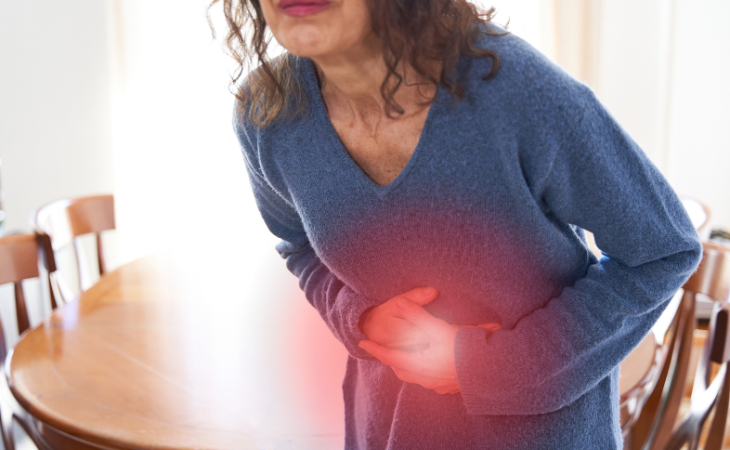
Aging affects the body's ability to repair itself efficiently. DNA repair mechanisms play a central role in this connection between accelerated aging and cancer risk. Our body's DNA constantly splits and reforms daily, but cancer develops when DNA fails to rejoin correctly. 
 
As we age, these repair mechanisms become less effective, increasing our likelihood of developing cancer. Shortened telomeres—protective caps at chromosome ends that naturally diminish with age—reduce cells' ability to divide properly. This creates genomic instability, a known cancer precursor. 
 
Aging contributes to cancer risk both directly and indirectly. Longer lifespans mean increased exposure to various carcinogens, including asbestos, smoke, and radiation. Simultaneously, the biological aging process itself remains significant—individuals who are biologically older than their chronological age likely face higher cancer risks due to impaired repair mechanisms. 
 
Cancer Symptoms to Watch For
 
cancer
Understanding potential cancer signs helps with early identification and treatment. General warning signs include unusual fatigue, unexplained lumps, persistent mouth sores, bladder or digestive symptoms, unexplained pain, and noticeable changes in weight, appetite, or skin appearance. 
 
For colorectal cancer specifically, watch for changes in bowel habits, blood in stool, diarrhea, constipation, feelings of incomplete bowel emptying, abdominal cramps, and unexplained weight loss. 
 
These symptoms don't automatically indicate cancer but warrant medical evaluation to rule out malignancies or identify other conditions. Many cancers remain asymptomatic during early stages, emphasizing the importance of following recommended screening protocols such as mammograms, colonoscopies, and lung cancer screenings when appropriate.

Pay attention to early signs
If you notice signs of accelerated aging—functional decline, muscle loss, increased falls, more frequent hospitalizations, or skin changes—consult healthcare providers promptly. Medical professionals can help develop appropriate interventions to support health and quality of life. 
 
Regular preventive screenings based on age and risk factors allow for early detection of potential issues. Maintaining physical activity, eating nutritiously, managing stress, and avoiding tobacco and excessive alcohol all contribute to healthier aging processes. Mental stimulation, social engagement, and purposeful activities also play important roles in maintaining cognitive function and overall well-being. 
 
Remember that while aging itself remains inevitable, many aspects of accelerated aging can be addressed or modified through appropriate lifestyle changes and medical interventions. Taking proactive steps today can significantly impact health outcomes tomorrow.


This is only for your information, kindly take the advice of your doctor for medicines, exercises and so on.   


Labels: , , , , , , ,

Monday, March 24, 2025

Signs that you're not getting enough protein

Worried you’re not getting enough protein? For years, I didn’t. In fact, I avoided it like the plague. I thought that if I ate too much protein and worked out, I would become bulky—like those muscle men who slam weights around in the gym. It also didn’t help that I grew up in the 2000s, when cereal and granola bars were considered “health food.” Hungry in the middle of the morning? Just have some Special K!

It’s no wonder I had a bad relationship with food—I ate little more for breakfast than a bowl of fruit. I had cravings all the time, felt exhausted, and experienced mental lapses. And, for the record, my muscles were basically non-existent.

 Of course, I’m not alone—many people don’t consume enough protein. In fact, many people do not even include it in the first meal of the day. “For example, in Spain, we eat pan con tomate—bread with tomato—for breakfast and do not add protein,” notes nutrition expert Mariana Sánchez Díaz.

These days, however, we are getting wise to the fact that getting adequate protein is not just necessary—it is vital for women as we age. It’s also especially important to get it in the morning: Studies show that eating at least 30 grams of protein for breakfast can prevent fatigue and cravings between meals. “Eggs, Greek yogurt, or rich protein sources such as salmon, mackerel, and tuna help control appetite throughout the day while supporting a faster metabolism, reducing inflammation, and improving cognitive function,” explains nutritionist and biologist Anastasiia Kaliga of the holistic wellness app Luvly.

At the very least, experts say 10% of our daily calories should come from protein. To figure that out in grams, just multiply your weight in pounds by 0.36—the result is the minimum amount of protein in grams you should aim for each day.

Signs you’re not getting enough protein

When I finally realized that I wasn’t getting enough protein for my body to function properly, it was because my menstrual cycle became irregular. (Turns out protein is important for hormones, too.)

Missing periods, experts say, is just one sign you may not be getting enough protein. Other symptoms? Swelling in the hands and feet, getting sick frequently, feeling depressed, or having wounds that are slow to heal. Below, nutritionists share a few more signs of not getting enough protein.

Fatigue

“In extreme cases, you can be tired and lack energy,” explains nutritionist Mariana Pérez-Trejo Soltwedel. “After all, consuming balanced meals—including protein—is key to keeping the immune system functioning and for regulating your hormones.”

This is because “undernutrition may result in weight loss and nutritional deficiencies leading to fatigue by means of lack of energy, a key concept of fatigue,” a recent scientific overview that looked at nutritional status as a mediator for fatigue notes. “When protein and energy intakes fail to meet individuals need, body stores are catabolized to provide energy, leading to the depletion of body fat and muscle with consequent symptoms such as fatigue or tiredness.” Another study that looked at the relationship between fatigue and protein found that “higher protein intake is independently associated with a lower risk of moderate and severe fatigue.”

Loss of muscle mass

“Protein is important for joints, muscle recovery, and muscle building. It also helps you maintain muscle mass in the long term,” explains Pérez-Trejo Soltwedel. “It’s especially important if you intense exercise sessions—there’s no use doing anabolic or strength training and then not feeding your muscles.”

To that end, eating ample protein can also help you achieve better results from your workouts. “You can be doing hours of exercise and not notice a change in your body or even gain muscle mass, if you’re not eating enough protein,” Pérez-Trejo Soltwedel says. And if you don’t exercise frequently? “That’s even worse,” she says. “You won’t be able to maintain the muscle mass you do have.” So eat those four eggs for breakfast, okay?

Brittle nails and hair loss

If your nails and hair are not looking their healthy best, it could be a sign you’re not getting enough protein. After all, “protein contains collagen and keratin, which are indispensable for healthy nails, hair, and skin,” says Pérez-Trejo Soltwedel. “If you don’t consume enough protein, your skin can become very dry, your nails will start to break, or you could even experience hair loss.” If you’re noticing any of these symptoms, it’s definitely wise to visit a doctor to have your protein levels checked.

Cravings between meals

“If you are only consuming carbohydrates, you may finish eating and feel hungry half an hour later—you never feel satisfied,” notes Pérez-Trejo Soltwedel. This is because protein can actually increase feelings of satiety, while simple carbohydrates can lead to blood sugar spikes that cause cravings later. “Rather than reaching for white bread and sugar-rich cereals that break down quickly and offer little nutritional value, start the day with a protein-rich breakfast,” recommends Kaliga. “A high protein diet can reduce ghrelin, the hormone that signals to your brain when it’s time to eat, and increase peptide YY, which signals satiety.”

For those who follow a plant-based or vegan diet, Pérez-Trejo Soltwedel recommends working with a nutritionist who can advise on the proper macronutrients. “You should also supplement with vitamins, minerals, magnesium and omega,” she notes. “Be sure to consume protein from whole grains and legumes.” 


This is only for your information, kindly take the advice of your doctor for medicines, exercises and so on.   


Labels: , , , , , , , , ,

Thursday, June 24, 2021

Type 2 diabetes: How is it different for men and women

How diabetes is different for men and women

Type 2 diabetes is a metabolic disorder that affects people of all age groups. The chronic condition which is diagnosed in more than 77 million people in the country is characterized by the decrease in the secretion of insulin leading to a spike in the blood sugar level, also known as hyperglycemic. This later leads to metabolic disruption and inflammation in the body. Type 2 diabetes has widespread effects throughout the body due to which it affects men and women differently.

​Who is at greater risk?

Studies suggest that men are more prone to diabetes as compared to women. That's due to the presence of testosterone, the androgen hormone vital in male puberty.

Testosterone stimulates the growth of muscles and hair, vocal changes and genital development in men. It is present in their body in a high amount throughout their life helping in the production of sperm and maintenance of libido. But this hormone is also linked with the deposition of fat in their body, particularly visceral fat. Of all, this kind of fat is the most harmful one as they are located around the organs and may give way to several metabolic disorders. Several studies carried to understand the prevalence of diabetes suggest that visceral fat is directly linked with the development of type 2 diabetes, which makes men more prone to develop this chronic disorder. Women too have some amount of testosterone, which helps to maintain the balance of hormones, particularly after menopause.

readmore

The difference in the symptoms

The rise in the blood sugar level affects your body in more than one way. The general symptoms of type 2 diabetes may include constant thirst, constant urination, fatigue, dizziness and weight loss. These are common symptoms, witnessed in both men and women. Besides, men experience loss of muscle mass and genital thrush. Additionally, women often experience problems of genital yeast infections, urinary tract infections and polycystic ovary syndrome.

If the condition is not managed in time, type 2 diabetes may also lead to amputation, neuropathy, retinopathy, cardiovascular disease and kidney disorders.

Who is more prone to develop severe complications?

Although the risk of developing type 2 diabetes is higher in men, the likelihood of developing severe complications is higher in women. Once women develop type 2 diabetes, they are more prone to develop health complications like heart disease, kidney disease, stroke and depression or anxiety.

​Diabetes and COVID

People suffering from diabetes are also more likely to develop serious complications after coming in contact with COVID-19. This risk is higher in the case of high blood sugar and unmanaged diabetes. A small study suggests that men and older adults with more advanced diabetes have a higher risk of death when infected with SARS-CoV-2 as compared to women.

This is only for your information, kindly take the advice of your doctor for medicines, exercises and so on.   

https://gscrochetdesigns.blogspot.com. one can see my crochet creations  
https://gseasyrecipes.blogspot.com. feel free to view for easy, simple and healthy recipes    
https://kneereplacement-stickclub.blogspot.com. for info on knee replacement


Labels: , , , , , , , , , , , , , , , ,