Thursday, December 19, 2024

How Patients with Prediabetes Managed to Prevent Diabetes

 In any routine blood test, health problems we were completely unaware of can be discovered, as they do not present clear symptoms. However, if neglected, they can develop into significant issues that may last a lifetime. One of these problems is a condition called pre-diabetes, in which blood sugar levels are higher than normal but not high enough to diagnose diabetes. While pre-diabetes does not cause symptoms like diabetes, it can lead to obesity and high blood pressure, and it also increases the risk of heart and vascular diseases. As its name suggests, it is considered an early stage of diabetes. The good news is that the earlier a problem is diagnosed, the better the chances of reversing it and keeping the body out of danger. However, as with many other medical cases, this requires lifestyle changes and consistency. Therefore, the question arises – how long does it take to get rid of pre-diabetes, and how is it done? That's exactly what we'll answer in the following article.


How long does it take to get rid of pre-diabetes? 
The time it takes to reverse the condition can range from several months to a few years. It’s important to understand that this is a marathon, not a sprint. In a study published in 2002 the following findings were noted: 
 
 In 25% of cases, people got rid of pre-diabetes through lifestyle changes within one year. 
 
In 30% of cases, patients successfully overcame pre-diabetes with a medication called Metformin . 
 
In 40% of cases, participants required advanced treatment to get rid of the pre-diabetes condition. 
 
If the doctor recommends treatment, it’s worth listening and adhering to it, as this will be much more effective than self-efforts alone to get rid of pre-diabetes. However, their recommendation depends on your condition. In any case, it won’t be easy, but as long as you stick to the plan we will present to you now, you can achieve this result and spare yourself a life with diabetes.

How to get rid of pre-diabetes?  
As you have already understood, the process is divided into two parts – lifestyle changes and medical treatment (recommended by the doctor only). If not adhered to, the condition will only worsen, and pre-diabetes will quickly turn into diabetes. Your doctor can recommend and provide a prescription for Metformin if needed, but at the same time, you must help yourself by making changes that reduce glycated hemoglobin (HbA1c) levels in the blood. 
 
Here’s what you need to do: Physical activity: 
It is recommended to perform physical activities for a cumulative time of 150 minutes per week. For example, this can be broken into 30 minutes of exercise daily for 5 days a week. Healthy eating: You need to eat balanced, healthy, and whole foods and avoid processed foods. 
 
Reduced carbohydrate intake: Choose your carbohydrates carefully and prefer complex carbohydrates, which you can find in vegetables and whole grains. Avoid sugar, sweetened juices, white bread, and white rice, as well as honey, which, although it raises sugar levels moderately compared to regular sugar, is still considered a simple carbohydrate. 
 
Maintaining weight: Physical activity and proper nutrition will help you maintain a healthy weight and even lose weight. According to the Centers for Disease Control and Prevention (CDC), losing 5-7% of body weight helps reduce the risk of type 2 diabetes. 
 
Getting sufficient sleep: Our body performs many important tasks during sleep, such as hormone regulation and metabolism. Lack of sleep can lead to insulin resistance, increasing the risk of diabetes. Therefore, it is recommended to sleep 7-9 hours each night. 
 
Avoiding smoking: Studies show that smoking increases the risk of diabetes, so it is highly recommended to quit this habit to prevent the condition from worsening. 
 
Avoiding alcohol consumption: Not only should you avoid alcohol, but it is also recommended to increase the amount of water you drink throughout the day, as it helps the body control blood glucose levels.

How to track your progress 
 It is very important to track your progress and help yourself stay on the right path. As we have already mentioned, this is a long process, but if you follow your progress, you will see it and gain motivation to continue acting in ways that benefit your health. Record your glycated hemoglobin and blood sugar levels from your blood tests, and check whether and how much they decrease over time. 
 
These are the parameters that indicate pre-diabetes: 
 
Glycated hemoglobin between 5.7-6.4%
 
Blood sugar between 100-126 mg/dL while fasting. 
 When your levels drop below these ranges, you will find that you have managed to get rid of pre-diabetes. Anything above these levels is already considered type 2 diabetes. 
 
Summary Pre-diabetes is a reversible condition that requires immediate action to prevent it from becoming diabetes. To get rid of pre-diabetes, you must make significant lifestyle changes and stick to them. This includes a healthy diet, physical activity, maintaining a healthy weight, sufficient sleep, and avoiding smoking and alcohol. If you have made these changes and still do not see improvement in your blood test levels, talk to your doctor and consider medical treatment. If you follow all the guidelines learned here, you can get rid of pre-diabetes within a year and prevent a lifetime with diabetes.


This is only for your information, kindly take the advice of your doctor for medicines, exercises and so on.   

https://gscrochetdesigns.blogspot.com. one can see my crochet creations  
https://gseasyrecipes.blogspot.com. feel free to view for easy, simple and healthy recipes    
https://kneereplacement-stickclub.blogspot.com. for info on knee replacement
https://cancersupportindia.blogspot.com  for infor on cancer and health related topics
https://GSiyers home remedies.blogspot.com   is the latest addition to my blogs. I'm going to add posts there, do give me your valuable feed back on my blogs. Thanks a lot, take care, be healthy and be happy.

Labels: , , , , , , , ,

Tuesday, January 18, 2022

5 diet habits that can promise visible weight loss

5 diet habits that can promise visible weight loss

Weight loss or shedding extra kilos from the body has immense benefits ranging from improving looks to boosting overall health and immunity. However, many do not succeed in attaining the optimum weight. One of the main reasons attributable to this failure is inconsistency in diet.

Though there are divided opinions on how one should lose weight, the most promising one among all is diet change.

If you watch what you eat and how you eat, you have already half way through the weight loss journey.

To those who are planning to lose weight or those who are aiming for a particular weight, here are 5 diet habits you need to practice-


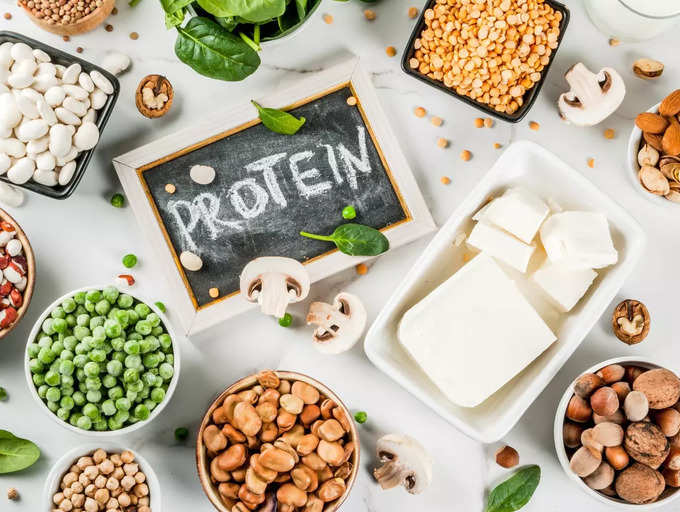
Increase protein intake

Increase your protein intake on a daily basis. The right amount of protein is very much essential to retain your core strength and muscle mass while the extra weight is lost. But, a high protein diet is not recommended in the long run. One should contact a dietician, discuss underlying medical conditions and then seek recommendations on the amount of protein that can be consumed daily. According to the Dietary Reference Intake report an adult should consume 0.8 grams of protein per kilogram of body weight. It says an adult male should consume 56 grams of protein per day and an adult female should consume 46 grams of protein per day.

Increase fiber or roughage

Fiber or roughage are basically plant based and are highly recommended for weight loss. It is very useful to remove digested food material, cleansing the digestive system, and easing bowel movement. As per expert recommendation, an adult male and female should eat 38 grams and 25 grams of fiber per day.

Have water before meals

While trying everything to lose weight, many often we forget to keep a watch on the water intake. Water is a wonder liquid when it comes to losing weight. On an average a normal human being should drink 3-4 litres of water. One of the easiest ways to track water intake is by having it during important activities. For example, when you sit down for your lunch, drink a glass of water before eating.

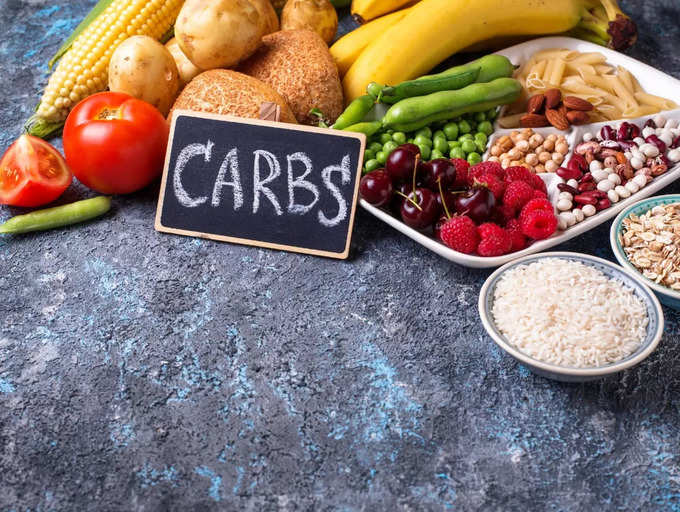
Cut down carbohydrate

Even research studies have claimed that cutting down carbohydrates regulates the overall composition of the body properly. Doctors and experts have always suggested restricting the intake of carbohydrates and compensating it with proteins and vegetables. Even fitness trainers recommend cutting carbohydrate intake for weight loss.

Count your bites

Mastication, as it is referred to in Biology, is very essential for the food to be metabolised. Good metabolism ensures good health. Improper metabolism leads to several complications, the prominent one among which is constipation. So every time you chew your food, you are making it easier for the body to metabolise it. Food should be chewed 32 times before swallowing.

This is only for your information, kindly take the advice of your doctor for medicines, exercises and so on.   

https://gscrochetdesigns.blogspot.com. one can see my crochet creations  
https://gseasyrecipes.blogspot.com. feel free to view for easy, simple and healthy recipes    
https://kneereplacement-stickclub.blogspot.com. for info on knee replacement


Labels: , , , , ,

Monday, November 15, 2021

Diabetic? Tailor Your Diet Right to Manage High Blood Sugar

What happens in the body when your sugar levels rise?

How does diabetes harm us? Not many people understand this well.

So let me tackle that first.

In a healthy body the food that we eat gets digested and glucose is released into the blood.

Insulin, which the pancreas releases when we eat, leads the circulating glucose to the cells to be used as energy and thus blood sugar lowers back to normal levels.

This process is repeated overtime we eat. But when there is a buildup of sugar in the blood due to malfunctioning of the pancreas then this not only harms the cells that need the glucose for fuel, but also harms the organs and tissues exposed to the high glucose levels.

Over time high blood sugar (uncontrolled diabetes) can lead to serious problems with the blood vessels, heart, nerves, kidneys, mouth, eyes, and feet that because insulin this damages to the blood vessels slowly, without one realizing it, and thus increase the risk of heart disease and stroke.

Are we doomed?

How to tackle the epidemic of diabetes sweeping our country first and foremost it is also important to understand why Indians are more prone to diabetes and metabolic syndrome.

The risk is higher for us because genetically we have higher levels of hidden - deep belly visceral inflammatory fat.

This belly fat increases our risk for multiple diseases, besides making us prone to insulin resistance.

Further to this mix when we add a high

carbohydrates diet that most Indians usually prefer to eat, the process (and predisposition towards diabetes) gets accelerated manifold.

In fact, vegetarian Indians tend to be even more at risk because of the faulty diet pattern that they tend to favour and follow.

Most vegetarians I know are graineatarians (grain-eaters) rather than true vegetarians.

That is while they don’t eat much fat, and no meat, they instead of eating more vegetables usually end up overloading the body with carbohydrates from the grains.

These excess carbs when metabolised in the body lead to overburdening of the liver, which then skyrockets the triglyceride levels. High triglycerides levels in the body are predominantly carbohydrate driven.

That’s not all, there are other negatives in our lifestyle too…

  1. Most of us are sedentary and do little structured or nonstructured exercise. Hardly anyone gets the daily optimum exercise targets.

  2. Over weight is a common problem, and as one gains weight, our metabolic health goes haywire and the risk increases manifold.

  3. Sleep deficiency is rampant, and sleep deficit is a big, proven risk factor for diabetes.

  4. There’s a really severe vitamin d deficiency epidemic, and low levels of this vitamin the body is a huge risk factor for impaired glucose levels in the body.

Another big negative factor is that for us typically the problem begins in childhood as we tend to (mistakenly) make it our lives task to over feed the new born babies.

This metabolically sets the template for heart disease and diabetes later in adult life.

That is why feeding right in the first few months of childhood is so critical and widespread education needs to be done in this field to break some deep set myths.

7 parameters to Check

To keep diabetes at bay and to keep the sugar numbers in check it is important to keep some numbers happy.

  • Keep a check on the waist circumference.

  • Keep the triglycerides as low as possible - less than 100 ideally.

  • Keep Hdl (good) cholesterol above 40 for men and 50 for women.

  • Keep your triglycerides / hdl ratio less than 3. When this is high you have a tendency to develop insulin resistance.

  • Keep the blood pressure tamed.

  • Keep a check on the fasting blood sugar levels.

  • Keep a check on the C reactive protein, which is a marker for inflammation in the body.

What you eat is paramount. So it is important to tailor the diet to cut the carbohydrate intake. This can be done effortlessly, minus any stress. You just need to get smart about the process.

Make conscious changes. For example. a salad and a soup instead of the regular roti subzi in one meal can help big time.

Consciously work on reducing the dependence on carbohydrates for all meals. Study and learn which foods deliver higher carbs and cut them to size.

Adopt innovative menu planning. For example use copy cat carbohydrates (cauliflower rice, zucchini pasta) for some meals

  • Reduce the quantity of carbohydrates intake smartly by adding more vegetables, tofu, nuts etc to rice, pasta, poha, upma, the predominant carbs culprits in our meals.

  • Add soya or almond flour to the wheat flour

  • Cook lentils in the same way too - dal palak, lauki dal, rajma chaat. Add vegetables in every dish possible. My simple rule is 50:50. as lentils tend to be high in carbs too

  • Add more only protein (meat, egg or dairy) and vegetable meals to your daily plans.

  • Increase activity - 8000 steps per day and you can eat more rice.

  • Fast walking, slow walking - 20 min - three times a day.

    The fact is that we have to model these right eating behaviours so that our children can learn and follow them too; it’s a family legacy to leave. Eventually we will be able to break our high propensity towards diabetes, and bring down the numbers in the country drastically. This needs effort on a war footing. 


This is only for your information, kindly take the advice of your doctor for medicines, exercises and so on.   

https://gscrochetdesigns.blogspot.com. one can see my crochet creations  
https://gseasyrecipes.blogspot.com. feel free to view for easy, simple and healthy recipes    
https://kneereplacement-stickclub.blogspot.com. for info on knee replacement


Labels: , , , , , , , , , , , , ,