This Guide Is All You Need to Relieve Your Joint Pain
One of the most common health issues in seniors is joint aches and
pains. With every movement, you can feel the stress on your joints, but
just like a rusty hinge, joints can be “lubricated” through a series of
stretches and exercises. This article will provide you with an array of
information about joint pains and the exercises that help ease them.
What are Joints?
Joints are where our bones connect. They provide physical support and
provide our bodies with a range of motions. Any damage to the joints,
incurred through force or infection, may hinder our ability to move, and
cause pain. Joint pains are quite common; with about a third of the
population suffering from joint aches and pains. The knees, shoulders,
and thighs tend to be the most problematic areas. The older we get, the
more likely it is that we’ll suffer from joint pains.
What are Joint Pains?
Joint pains can be weak or strong and can be acute - lasting from one to two weeks, or chronic – lasting for several months. Whether it’s a strong pain or a weak one, it lowers our quality of life and must be treated. Treatment can be done by taking medication, through alternative medicine, or by performing simple, daily exercises.
By exercising the muscles around the joints, you can strengthen them, thus improving your control over those joints. This will also help reduce joint-related pains.
Knee Pain
Knee pain is especially noticeable when going up a flight of stairs. With severe joint pains, even walking becomes a painful experience.
Pillow Squeeze 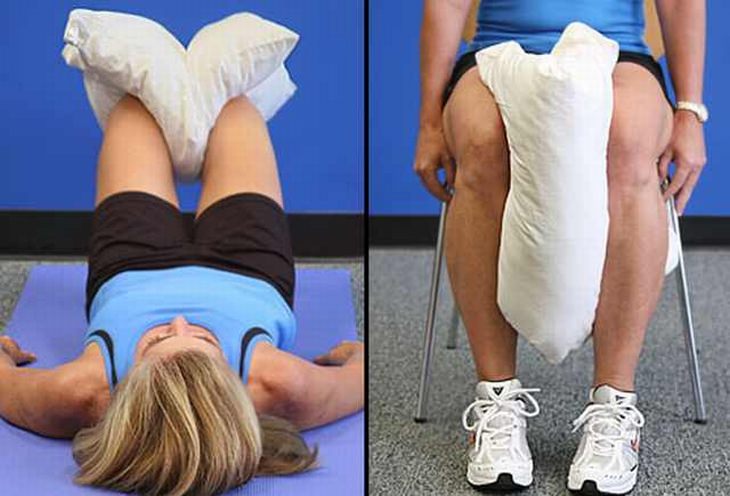
This exercise will help you strengthen your inner thighs and provide more support for your knees.
• Lie on your back, with your knees bent.
• Put a pillow between your knees.
• Squeeze the pillow with both knees for 5 seconds and release.
• Perform two sets of ten repetitions.
• If the exercise is too difficult, start by doing it while sitting on a chair.
From Sitting to Standing
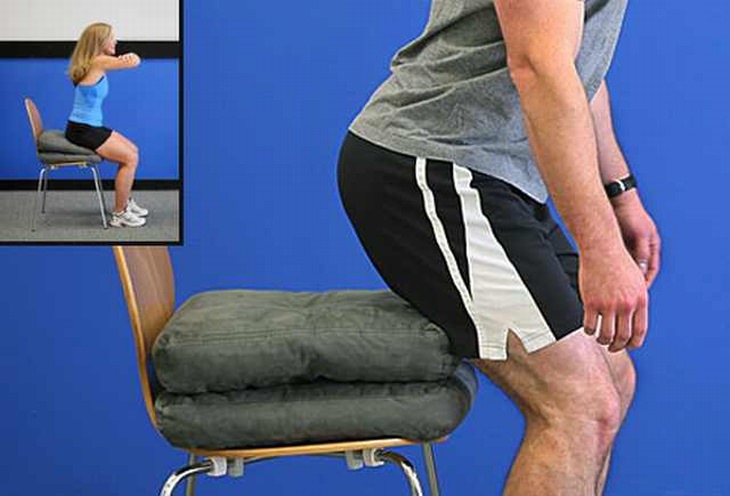
This exercise will help you transition between sitting and standing, making it easier for you to straighten your knees.
• Place two pillows on a chair and sit on them. Maintain an upright
posture with both feet flat on the floor.
• Use your leg muscles to slowly and smoothly stand up.
• Slowly sit back down.
• Pay attention that your knees do not move forward and pass your toe line.
• Try doing this with your hands crossed against your chest and when they’re hanging at your sides.
• If the exercise is too difficult, add a pillow or two, or use a chair with armrests to use as leverage.
Thigh Joint Pain
The largest joint in the human body, the thigh joint, supports most of our body weight and is a key component in maintaining one’s balance. Since these joints are critical for walking, any pain in the area can debilitate a person. Chronic pains in this region become more common with age.
Bridge Exercise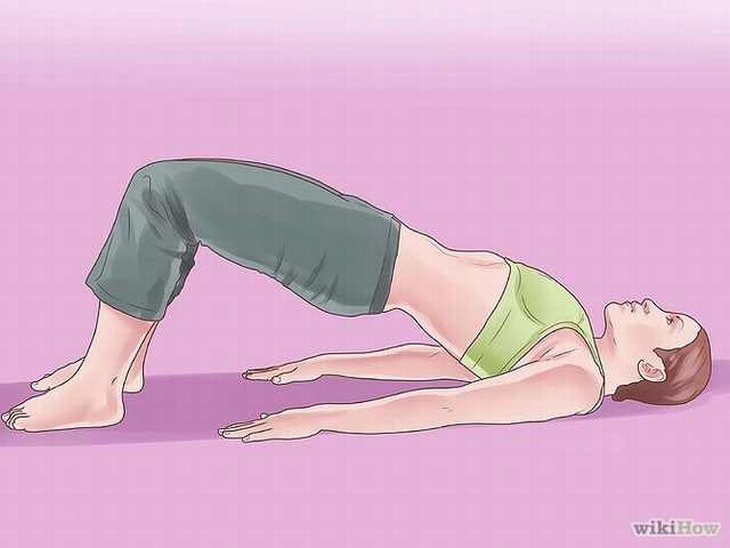
The bridge is a simple exercise you can perform every morning, which
loosens the thigh joint. This makes it easier to move your joints
throughout the day.
• Lay down on the floor with your back flat and your legs bent. Your feet must be pressed against the floor.
• Lift your pelvis by pushing with your ankles. Keep your stomach muscles hard and your knees in line with your ankles. Your body should be in a straight line from your shoulders to your feet.
• Stay in this position for 3-5 seconds, and then lower your pelvis back to the floor slowly.
• Repeat ten times.
Classic Leg Lift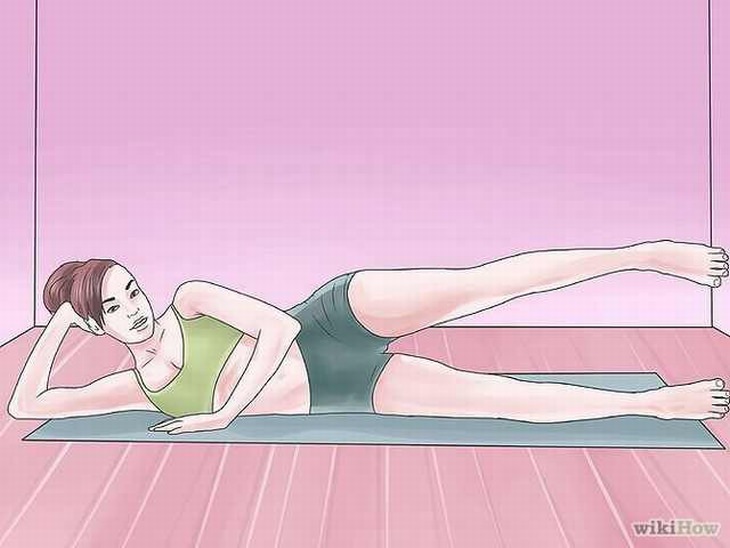
If you have pain on one side, lay down on the opposite side. This can be done on the carpet or on a yoga mat.
• Raise the sore leg 6 inches (15cm) from the floor. Hold it in the air for 2-3 seconds
• Slowly lower your leg back down to the floor.
• Perform 10 repetitions.
If possible, do the same for the other leg, but if you’re in too much pain, stop.
Shoulder Joint Pain
Another common joint pain is shoulder pain, which is most common in people who perform repetitive movements with their shoulders, or those who spend long hours at a desk, in front of a computer.
Shoulder Stretches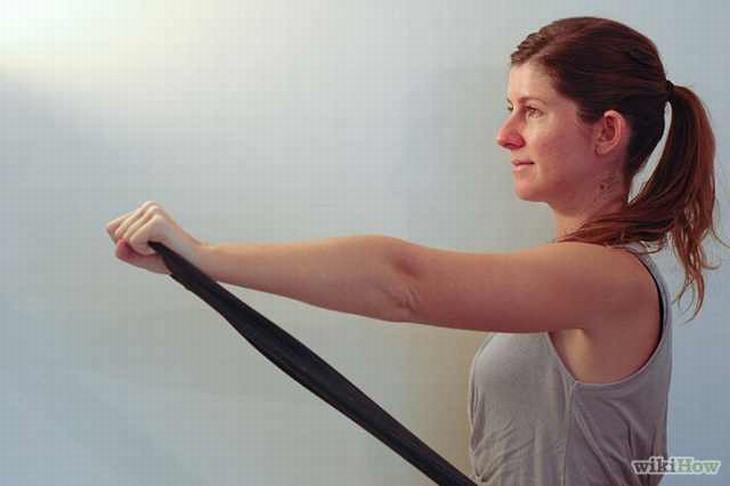
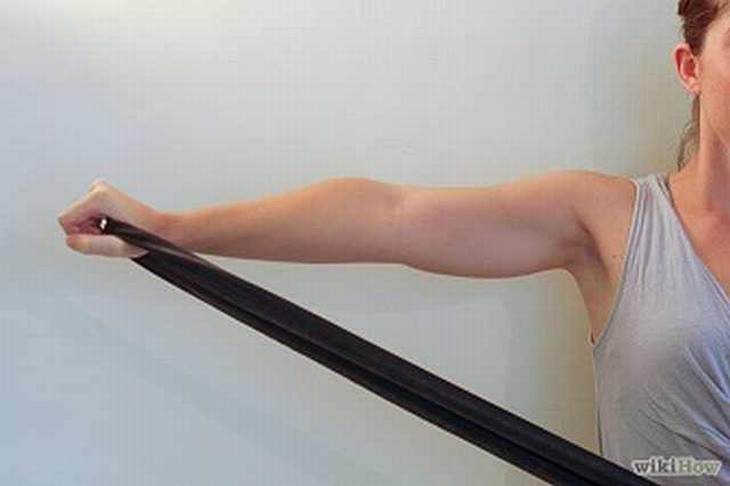
You will need a fitness elastic band for this exercise. This type of exercise is a great way to strengthen your shoulder muscles, as well as improve their elasticity and range of motion.
• Secure the band to an object at waist-height.
• Grasp the band and stand with your back to the securing object. Take a step forward so that the band is stretched a little.
• Keep your arm straight and lift it upwards until it is parallel to the floor. Pay attention not to lift your shoulder. • Keep your arm in that position for a second, and then slowly lower it back to the starting position. • Perform 15 repetitions. It is recommended that you perform this exercise in different variations and in different directions, as shown in the images above.
Wrist Pain
Wrist pain can be caused by inflammation or repetitive actions such as typing on a computer or even using kitchen utensils. These pains can appear as weakness in the palm, making it difficult to perform everyday tasks, like opening a jar.
Fist Stretch
Do these exercises whenever your palm feels weak, sore, or stiff.
• Open your palm and stretch your fingers outwards.
• Close your fists and stay in this position for a few seconds.
• Straighten and stretch your fingers again.
• Perform several repetitions a few times a day.
Stretching Your Fingers
• Reach out with your right hand, palm facing down.
• Use your other hand to slowly pull the 5 fingers in that hand, back.
• Try and provide resistance with your other hand. Make sure to stop if you reach a point where it hurts.
• Perform 10 repetitions for each hand.
Elbow Pain
The elbow plays a vital role in the arm’s movement. Repetitive motions that can lead to pain in the elbow could be playing tennis, washing windows, or even working with a screwdriver. These stretches should be performed 3 times a day, assuming they don’t hurt, or add to existing pain.
Stretch and Straighten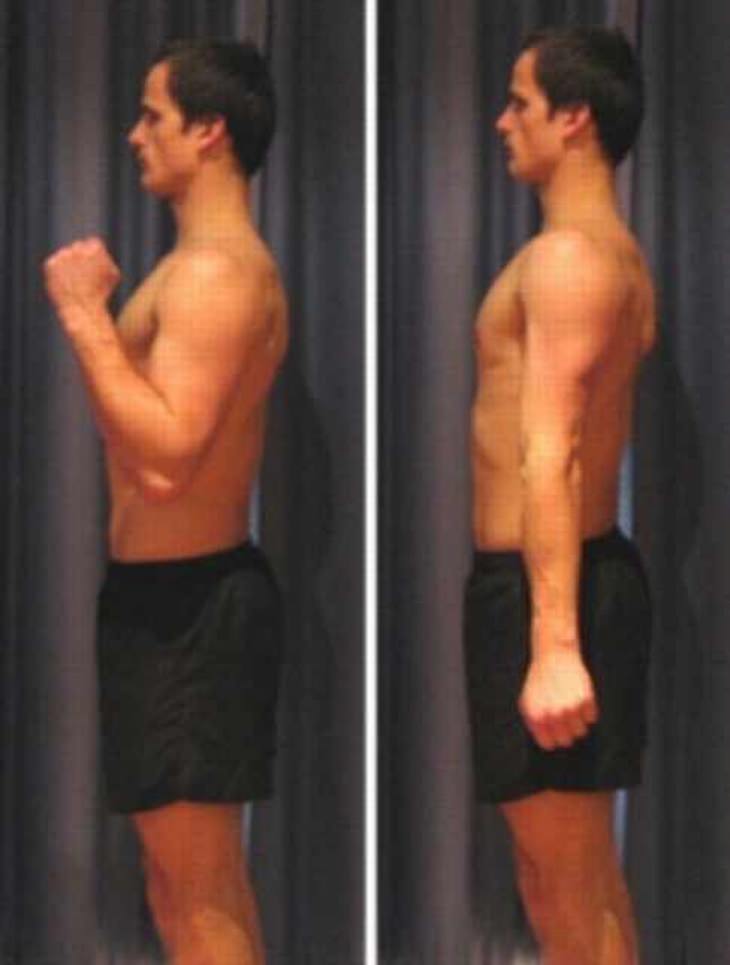
Stand straight with your arms at the sides of your body.
• Bend your hands towards your chest, so that only the forearm moves.
• Perform 10-20 repetitions. Stop if it starts hurting.
Forearm Twist
• Keep your hands tight against your body.
• Bend your forearms and keep them at a 90-degree angle.
• Twist your wrists to face up, then down again.
• Perform 10-20 repetitions for each hand. Stop if it starts hurting.