Tuesday, January 17, 2023

Arthritis: 10 Effective Ways to Manage Winter Flareups

It’s common for people who suffer from arthritis to experience worsening symptoms as the weather turns wintry and cold. If this speaks to you, and you or a family member is experiencing more flare-ups, more pain, and more stiffness during winter, here are 10 helpful strategies to ease the pain and soothe your joints. Some of these methods will bring instant relief, while others are aimed more at long-term management and prevention.

How can cold weather aggravate arthritis?
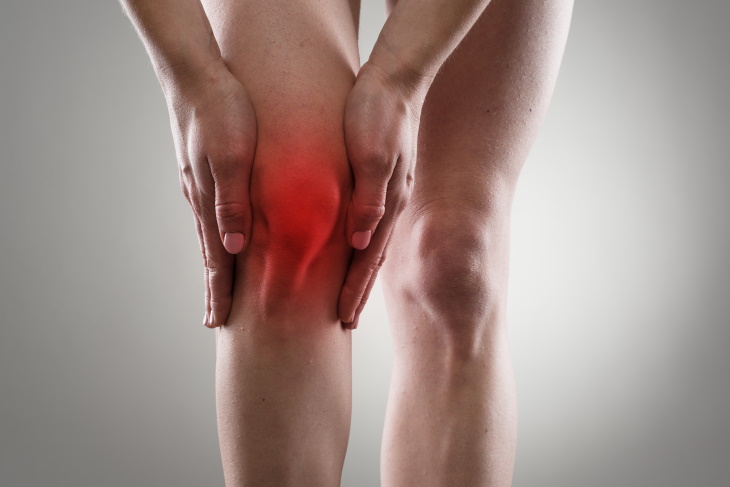
Arthritis Winter Flareups knee arthritis
We all know someone who swears they can predict shifts in weather by the pain in their joints. This phenomenon is no figment of their imagination. In fact, the Arthritis Foundation states that cold temperatures can seriously affect symptoms of arthritis. 
 
Stiff and aching joints are a common predictor of cold weather, but researchers aren’t certain about the underlying cause of such flare-ups. According to one theory, it’s high humidity – especially in cold weather – that can worsen pain in older adults with osteoarthritis.  
 
Another hypothesis states that any extreme change in temperature can aggravate symptoms of rheumatoid arthritis in older adults with the condition. "Our joints operate best in temperate weather," stated Dr. Mariko L. Ishimori, a rheumatologist at Cedars-Sinai. "When the weather gets cooler, the synovial fluid that acts like motor oil in our joints becomes more like sludge," she continued in the medical center’s blog.

Pain is not the only symptom made worse by winter weather. The cold contracts blood vessels and slows down blood circulation, and this, in turn, can lead to a spike in inflammatory compounds. As a result, a person with arthritis may experience more swelling, stiffness, and weakness in the joints than usual in cold weather. 
 
The following lifestyle changes can greatly reduce or even completely prevent arthritic pain in the winter.  
 
1. Wrap up warmly throughout the winter

One of the primary ways to reduce symptoms of arthritis in the winter is to keep joints warm. Don’t wait until you’re already feeling cold. Instead, be prepared by dressing in several warm layers to prevent getting cold altogether. This applies both indoors and outdoors. 
 
As a general rule, 2-3 thin layers provide more warmth than a single thick layer. It is also infinitely customizable, as it allows you to remove one layer when going indoors and still be warm, for example. Bundle up in a fuzzy blanket or use heating pads and room heaters when you’re at home. 
 
When you’re preparing to go outdoors, don’t forget to wear warm socks, a hat, gloves, a scarf, and a warm overcoat. The focus should always be on the areas affected by arthritis: usually the hands, knees, and legs. In cold climates, that may mean wearing two layers of gloves and socks, tights, and knee warmers.

2. Choose the right footwear
The human body loses most heat through the head, feet, and hands. Hence, wearing the right shoes in the winter is extremely helpful for everyone – not just people with arthritis. That being said, arthritis sufferers ought to pay even more attention to the footwear they choose for winter, as the legs and feet are often their biggest problem areas. 
 
 
Your shoes should serve three equally critical functions: 
 
 They must have a strong grip to prevent falls – non-skid soles are the most reliable. 
 
There should be enough lining to keep the feet warm. 
 
They should be waterproof to keep your feet dry.
 
It’s also better if your winter boots are lightweight and have proper ankle support. Pull-on boots are the easiest to put on and take off. The Canadian Arthritis Society also recommends replacing the tips on a cane or a walker if you use it as a mobility aid.  
 
3. Opt for indoor exercise
Physical activity is a must for managing arthritic pain all year round, as regular exercise is scientifically proven to reduce joint pain. However, staying active can be more challenging in the wintertime, especially if your exercise of choice is of the outdoorsy kind. 
 
At subzero temperatures, it is recommended that you spend less time outside altogether if you have arthritis. In place of your usual exercise routine, opt for indoor activities. The simplest option would be gentle stretching. You could follow an arthritis-friendly yoga routine, or do simple exercises, like bending and straightening the knees, stretching your shoulders, or rolling the wrists. These types of exercises relax the muscles and reduce joint stiffness. 
 
However, any other activity – be it walking on a treadmill or vacuuming the house – will be beneficial too.

4. Hydrotherapy

Arthritis Winter Flareups Hydrotherapy
Warm water is the easiest way to reduce joint pain brought about by low temperatures. Hot water bottles are a portable option. When your joints feel tender and painful, fill the bottle with hot water, and then hold it over the joints. 
 
In addition, the Arthritis Foundation recommends taking a warm bath with or without Epsom salt to warm up the body after a day spent in the cold. Just make sure that you let your body temperature normalize before you go outdoors.  
 
If you’d like to do even more than that, try swimming in a heated pool. Hydrotherapy, or the use of warm water for pain relief and treatment, soothes the joints and increases their mobility. To get the most out of your trips to the pool, you can do gentle movements and exercises while you’re in the water. Your doctor or psychotherapist will be able to recommend the most appropriate sequence of water exercises for you. 
 
5. Indulge in a massage
Are warm baths and swimming lessons not your jam? Another pleasant way to reduce arthritis pain is through a weekly massage. Since a lot of pain is caused by muscle spasms that pull at the joint, relaxing the stiff muscles with the help of a therapeutic massage can help soothe the pain. 
 
According to a 2015 research article, an hour-long massage every week for two months can significantly reduce arthritis pain.
 
6. Stay safe outdoors
Folks with arthritis should take extra precautions to stay safe outside in the winter. Many people with arthritis have an altered perception of the cold due to reduced circulation or nerve issues. For this reason, they have a higher risk of the following: 
 
Hypothermia – a life-threatening condition when someone is exposed to low temperatures and this causes one’s body temperature to fall below 95°F (35°C). Confusion, a weak pulse, shallow breathing, slurred speech, and loss of consciousness are all signs of hypothermia. A person experiencing hypothermia needs urgent medical attention.
 
Frostbite – the freezing of skin tissue when the body is exposed to extremely cold weather. The skin may be covered in blisters, and the fingers, toes, and nose may look blue or black. The affected skin areas may also lose sensation. Frostbites are also a medical emergency. 
 
Frozen fingers – the fingers are covered with red spots and look swollen after being exposed to extremely low temperatures. This is not an emergency, but it can be extremely painful, especially for folks with arthritis. To speed up the recovery, move the person indoors and dip their fingers in lukewarm water. Do NOT use warm or hot water, and don’t let the affected person rub their fingers. 
 
All of these conditions are serious to potentially life-threatening, so please take care and avoid spending too much time outdoors, especially if you have arthritis.

7. Be super careful when you shovel snow
If you have any joint issues, every attempt at removing ice and snow becomes a game of Russian roulette. You may do just fine, or you may get injured. There’s also the increased risk of falls and heart attacks, which is a huge concern for anyone but especially people with arthritis. Therefore, it’s best if someone helps you with this task instead.  
 
However, this is not always possible, and some people must do the snow-blowing or shoveling on their own. Remember, this is a strenuous activity that should not be taken lightly. Wear protective clothing and shoes with extra grip, and take frequent breaks when you have to clear the path.
 
8. Create a safe environment at home
Stiff and achy joints and muscles increase one’s risk of falling. If you’re prone to winter flare-ups of arthritis, it’s paramount to remove all home hazards. To avoid injuring yourself at home, consider the following adjustments: 
 
Clear the floor of tripping and slipping risks, including cords, slippery tiles, small objects, and skidding rugs and runners. Alternatively, you can secure all the floor coverings with rubber backing. 
 
Place items that are frequently used in easy-to-reach places. 
 
Don’t move in a rush – rushing is a major cause of falls. Develop the habit of moving mindfully and slowing down if you see yourself rushing somewhere. 
 
Sit down when you’re putting on clothes and shoes. 
 
Install mobility aids, such as grab bars in the bathroom and a railing near the bed. 
 
Make sure that all the areas in your home and yard paths are well-lit, and everything, including the floor, is easily visible. 
 
9. Drink plenty of water
Even though it may sound unrelated at first, drinking water can also have a beneficial effect on your joints. When we are dehydrated, we are more sensitive to the perception of pain – says a research paper from 2015. Thus, consuming more water can help you reduce pain and be healthier overall. 
 
That being said, it’s quite common to reduce one’s fluid intake in the winter. If you struggle with drinking enough water in the colder months, consider herbal teas or flavored water with ginger, lemon, or other fruits. 
 
10. Get your diet right
We’re all feeling the aftermath of the holidays on our bodies. Folks with rheumatoid arthritis, in particular, are prone to flare-ups when they’re a bit too heavy-handed with the holiday menu. 
 
Heavy and sweet foods and beverages, such as cakes and pastries, processed meats, alcohol, and sauces are the main culprits. These foods have been shown in studies to increase the levels of inflammation in the body.
 
If you know that your joints are stiffer and achier during wintertime, focus on maintaining a balanced diet. Try to include plenty of fruits, vegetables, fish, yogurt, and eggs in your diet every day. 
 
The specific nutrients beneficial for arthritis are: 
 
Vitamin D: Low levels of this vitamin make you more sensitive to joint pain, says a 2015 study. When you reach the age of 60, increasing your intake of vitamin D is a must, as it also reduces the risk of osteoporosis. Since sunlight may be more scarce in the winter, eat more foods containing this vitamin, such as fatty fish, liver, and fortified foods. 
 
Vitamin B12 lowers homocysteine levels. This is an amino acid associated with inflammation and an increased risk of cardiovascular issues. People with rheumatoid arthritis have higher levels of it than the general population. Foods that contain B12 are fish, eggs, beef, and yogurt. 
 
Vitamin B6 reduces inflammation. A study from 2003 found that rheumatoid arthritis patients tend to have lower levels of this vitamin. Spinach, bananas, carrots, and sweet potatoes all provide this vitamin. 
 
Omega 3 fatty acids help lower inflammation and swelling in the joints. Fatty fish, avocados, soy, beans, nuts, and seeds will help you boost levels of this nutrient.

At what point should you seek medical help?
Since arthritis is a chronic condition that you’re likely already treating, it may be tough to know when it’s time to reach out to a professional for help. If you’re experiencing a winter flareup, and the arthritis pain is becoming unmanageable, seek professional help. A doctor will be able to prescribe any necessary supplements, pain medication, physiotherapy, and additional lifestyle changes to reduce your symptoms and prevent complications. 
 
Do not hesitate to seek outside help whenever you need it – be it from your family and close circle or a medical professional.


Labels: , , , , , , , , , , , , ,

Saturday, January 01, 2022

Colon Cleansing: How to Naturally Flush Your Colon at Home

Colon cleansing is a broad description of using methods to flush excess waste and toxins from your colon. Consuming high-fiber foods, probiotic foods, and foods that promote healthy digestion are among some of the natural ways to cleanse your colon at home. Also, water, healthy smoothies, and some herbal teas stimulate your digestive tract to promote colon cleansing.

There are many claims on the Internet that colon cleansing helps improve your general health. Among some of the claimed benefits of a colon cleanse are increased energy levels, fewer headaches, and even weight loss. Many of the colon cleansing benefits have never been proven in scientific literature.

However, there are many aspects of natural colon cleansing that are connected with good digestive health. This means that you don’t have to resort to colon hydrotherapy or enema preparations to flush toxins from your colon.

In this article, you will learn about safe ways to keep your digestion working properly to prevent a buildup of waste.

What the Colon Is and What It Does

Your colon is an integral part of your digestive system and is also called the large intestine.

Doctors from the American Society of Colon and Rectal Surgeons report that leftover digested food enter the colon. In the colon, bacteria break down the waste material and remove water, salt, and some nutrients. Muscles slowly move the waste through the large intestine where it becomes stool or feces.

For your colon to function properly, there needs to be a healthy balance of good bacteria. If there is an imbalance in the number of “good” bacteria or your colon can’t expel the waste, you could experience gastrointestinal problems.

A healthy colon effectively cleanses your body of waste and keeps you healthy and feeling good.

Do You Need a Colon Cleansing?

There are a number of important reasons to making sure stool is expelled from your digestion system regularly.

Doctors from the Mayo Clinic say that a diet low in fiber and high in fat increases a person’s risk of colon cancer. Scientists think there is a link between poor diet and changes in the microbes that live in the colon, which lead to inflammation and increased cancer risk.

For example, fiber is one of the best foods for cleaning out your colon effectively. Researchers say that dietary fiber found in wholegrain foods, fruits, vegetables, and nuts help to lower your risk of certain diseases. Fiber has a high nutritional value and aids healthy digestion.

Keeping your colon clean and free of a buildup of excess waste is essential for good health.

What exactly is colon cleansing and is flushing toxins out of your body something you should be worried about?

What Is Colon Cleansing?

When most people hear the term colonic cleansing, they probably think of colon hydrotherapy. This type of colon cleanse uses tubes to irrigate the colon to flush out all traces of stool.

The Journal of Lancaster General Hospital reports that advocates of colon cleansing claim that the procedure helps prevent toxins and undigested material being reabsorbed by the body.

Some other methods of colon cleansing involve oral regimes that involve a combination of laxatives, supplements, and herbs to cleanse the colon.

This article will discuss natural colon cleansing methods you can do at home, emphasizing the role of nutrition.

Doctors say that there is actually much you can do to improve your colon health without resorting to colonics. In most cases, natural colon cleansing involves enjoying a well-balanced diet with plenty of fiber.

Increasing your intake of healthy foods and reducing the buildup of toxins in your colon helps improve your digestive health.

The World Journal of Gastroenterology reported in 2015 that a healthy gut microflora is essential for human health. A diet rich in fruits, vegetables, and fiber is one of the best ways to improve gut microbiota and prevent infections in the colon.

Other studies have shown that natural foods containing prebiotics and probiotics improve your gastrointestinal health and help to remove toxins naturally. A healthy gut microbiota helps to remove harmful organisms. This contributes to good health and fights disease.

Keep reading to find out the best ways to improve your gut microbiota to naturally flush your colon at home.

How to Do Natural Colon Cleanse at Home

There are many easy ways you can use your diet to naturally cleanse your colon at home and rid your body of excess toxins.

Research published in 2018 found that diet has a great role in improving the health of the gut’s microbiota. A diet that includes the right balance of carbohydrates, protein, and fat helps to improve intestinal health and the immune system, especially in older people.

Juices and Smoothies to Cleanse Your Colon

One way to help flush toxins from your colon and improve your intestinal health is to add natural smoothies and juices to your diet.

The journal Scientific Reports in 2017 reported that a vegetable and fruit-based juice diet can improve your gut microbiota. 20 adults consumed a diet of fruit and vegetable juices for 3 days. Scientists noticed a marked improvement in their intestinal health and the participants also lost weight.

One reason why fruits and vegetable drinks are so useful to cleanse your colon from toxins is that they contain antioxidants. Scientists report that plant foods are high in dietary polyphenols which have many beneficial health effects. Polyphenols help to boost “good” bacteria and kill off toxins in the colon.

Research on humans also found that fruit juices and fruit pulp can be incorporated with fermented dairy products (such as kefir and yogurt) as an excellent way to improve your intestinal health.

Just remember that when drinking the juice you also lose the fiber content.

Let’s look at a few excellent ingredients you can add to colon-cleansing juices or smoothies.

Apples to help cleanse toxins from your colon

Research has shown that consuming one or two apples a day can help to reduce your risk of colorectal cancer. Scientists noted that the peel of apples contains more antioxidants than the apple flesh.

Other studies have shown that apple and berry juices have chemo-preventative properties that help to improve colonic microflora. These types of fruit juices may help to prevent colon cancer.

Cranberry juice to improve your colon health

Some scientific studies show that cranberries have an anti-inflammatory effect on the digestive tract. Consuming products rich in cranberries also help to improve gut microbiota and increase the number of good bacteria in the colon.

Cruciferous vegetable juice for colon cleansing

Adding green leafy vegetables to your juicer or blender is one way to help cleanse your large intestine.

The Journal of Nutrition reported that cruciferous vegetables such as broccoli, kale and cabbage contain compounds that improve gut bacteria.

Benefits of kefir to cleanse your colon

To create a smoothie with colon-cleansing properties, you can use kefir fermented milk drink as its base.

Various studies point to the fact that kefir is good for your digestive health. For example, research has shown that kefir can help to kill off toxins and harmful microbes in your large intestine.

Kefir is also a lactose-free milk drink that can help to make food pass easier through your digestive tract, thus lowering the time food spends in your colon.

Natural Colon Cleanse Using High-Fiber Foods

Foods that are high in fiber help get rid of stool and body waste quicker to help cleanse your colon.

According to researchers at the Harvard School of Public Health, most people don’t get their recommended 20 to 30 grams of fiber daily. Fiber is one of the best ways of alleviating constipation and other digestive diseases.

Fiber also works as a colon cleansing method. Sometimes granulated wheat-fiber supplements are recommended as a colon cleanse before a colonography.

The journal Nutrients also reports that fiber is a good source of prebiotics that helps to improve microflora in the colon. Increasing your intake of fiber-rich foods increase the number of “good” colonic bacteria and improve your digestive health.

There are conflicting reports on the link between increased fiber and lower rates of colorectal cancer. However, most doctors agree that getting enough dietary fiber helps to treat constipation, prevent hemorrhoids,  and help manage the symptoms of irritable bowel syndrome.

Here are a few high-fiber foods that can help cleanse your bowels and improve your digestive health.

Add chia seeds to your diet as a natural colon cleanse

One tablespoon of chia seeds will add 5 grams of fiber to your diet which is about 20% of your daily fiber needs.

Chia seeds are also a rich source of omega-3 fatty acids which, as we will see later in the article, also help with intestinal cleansing.

Colon cleansing with pumpkin seeds

Snacking on pumpkin seeds, adding them to your salads, or putting them in smoothies will help keep your intestines healthy.

A 1-oz. serving (28 g) of pumpkin seeds gives you 5 grams of fiber as well as being a rich source of omega-3.

Adding a serving of pumpkin seeds to your diet every day may also help kill off intestinal parasites from your digestive tract.

Broccoli helps to rid your intestines of toxins

One way to help cleanse toxins from your colon and prevent a buildup of fecal matter is to regularly consume broccoli.

A 1-cup serving of broccoli (90 g) will give you about 2.5 grams of fiber which is about 10% of your daily fiber requirements.

Broccoli also improves your intestinal health because it contains a compound called sulforaphane that maintains the microflora balance in your colon.

Kale is a natural food to improve digestive health

Kale is a cruciferous vegetable and one of the superfoods for colon health.

Apart from its good fiber content, kale contains substances called prebiotics that help to increase healthy gut bacteria. This helps prevent a buildup of harmful toxins in your colon and makes you pass stool easier.

Colon Cleanse with Probiotic Foods

Consuming foods that contain probiotics is a good way to cleanse your bowels and maintain your digestive health.

Research into the benefits of probiotic foods has found that they help to improve the health of your intestinal tract and also stimulate your immune system. Probiotics in the intestines can also protect against microbial infection.

Here are some of the foods containing probiotics that are part of a healthy colon diet.

Sauerkraut for a natural cleanse

To help flush toxins through your colon quicker, you can try consuming more sauerkraut because it is full of probiotics.

One study found that people who take 10 g of sauerkraut daily report better gastrointestinal health. Regularly consuming probiotic sauerkraut can help prevent constipation and improve digestion.

Probiotic yogurt for colon cleansing at home

Another way to cleanse your colon and improve your intestinal health is to consume probiotic yogurt.

Yogurt is one of the foods for improved colon health because it is a source of healthy bacteria and probiotics. Research published in 2017 found that yogurt consumed along with fruits can nourish your colon with probiotics, prebiotics, vitamins, and minerals.

Kefir is similar to yogurt but even better for your colon health. Some types of kefir contain around 60 strains of healthy bacteria and yeast. Kefir also contains a unique strain of bacteria that protect your colon from the harmful effects of microbes.

Benefits of Prebiotic Foods for Colon Cleanse

How can prebiotic foods act as a natural colon cleanse if you want to detox your intestines?

Scientists say that prebiotics act as a food source for probiotics. This means that increasing your consumption of prebiotic foods can improve your intestinal health because they help more healthy bacteria to form.

Some foods that act as prebiotics include leeks, asparagus, garlic, onions, wheat, and oats.

Colon Cleanse Herbal Teas

To help flush your colon from toxins and improve your digestion, you should regularly consume teas such as ginger, turmeric, and green tea.

An intestinal cleanse using herbal teas works well because you flush out toxins due to increase fluid intake and improve digestion by means of herbs.

For example, some herbs have a laxative effect on your intestines, others have antimicrobial properties, and others soothe digestive upset.

Let’s look at some colon cleansing herbal teas you can use for a healthy colon.

Ginger as a colon flush

Researchers report that ginger contains antimicrobial compounds that also help reduce inflammation. The most powerful compound – [6]-gingerol – accumulates in the gastrointestinal tract and helps improve colonic health. Ginger has also been linked to lower instances of colorectal cancer.

Turmeric to cleanse your colon

Turmeric is a spice related to ginger and is another food that is excellent for a healthy colon diet.

The AAPS Journal reported that turmeric’s anti-inflammatory properties help to lower gastrointestinal inflammation. Turmeric also contains powerful antimicrobial and antioxidant compounds that can kill off toxins. Turmeric has also been linked to preventing colon cancer.

Green tea for a healthy colon

Green tea naturally cleanses your colon because it contains high levels of antioxidants that help to flush out toxins.

Studies into the medicinal properties of green tea have found that green tea helps to protect the gastrointestinal tract. Antioxidants in green tea called catechins have an anti-inflammatory and anticancer effect. Consuming green tea has been linked to the prevention of colon cancer.

Water for Colon Detox

One of the best ways to flush toxins from your colon is to drink plenty of water.

Scientists have found that water is necessary for the digestive tract to help digestion and absorb nutrients from food. Drinking enough water also helps to protect the intestinal tract from various gut diseases.

Bowel Cleanse with Salt Water

Some people also cleanse their colon with a salt water flush which should help you quickly pass stool.

One study found that drinking a saline solution along with certain yoga poses helped to clear the colon before a colonoscopy.

To make your homemade colon cleanse, you should mix 2 teaspoons of non-iodized sea salt or Himalayan salt in 1 liter of warm water. Mix well to dissolve the salt. Drink quickly on an empty stomach to help induce a bowel movement.

Some of the risks of salt water flush include nausea, vomiting and weakness in some people. Avoid salt water flush if you have heart problems, kidney problems, diabetes or high blood pressure.

Healthy Colon Tips

Looking after your colon health is one of the best ways to increase feelings of well-being. In the majority of cases, colon cleansing at home just means eating healthy, fiber-rich foods and drinking plenty of water and fluids.

Doctors also recommend limiting your consumption of red meat and processed foods to help keep your colon healthy.

You should also make sure that you are getting enough fiber in your diet and include probiotic foods for your colon health.

This is only for your information, kindly take the advice of your doctor for medicines, exercises and so on.   

https://gscrochetdesigns.blogspot.com. one can see my crochet creations  
https://gseasyrecipes.blogspot.com. feel free to view for easy, simple and healthy recipes    
https://kneereplacement-stickclub.blogspot.com. for info on knee replacement


Labels: , , , , , , , , , , , ,