Tuesday, June 18, 2024

Thyroid Health: What You Should and Shouldn't Eat

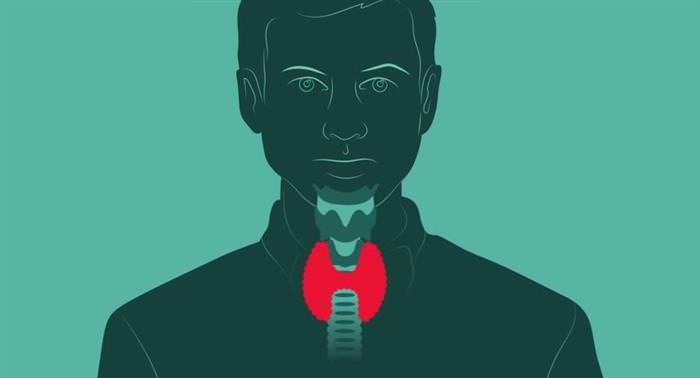
The thyroid gland is a vital part of the hormone system that controls metabolism. It can be affected by various disorders, including underactivity, overactivity, Hashimoto's and Graves's disease. Women are more susceptible to thyroid disorders than men. To treat thyroid disorders, medication is necessary, but it's also important to follow a proper diet. If you or someone you know is struggling with thyroid issues, here are ten essential things to keep in mind.
thyroid gland
 
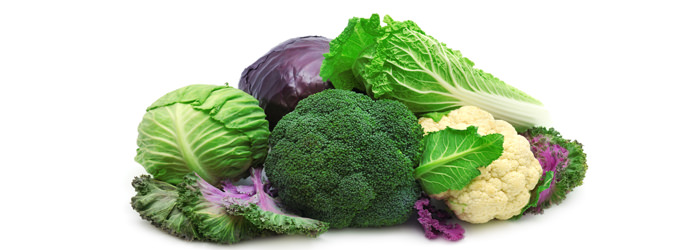
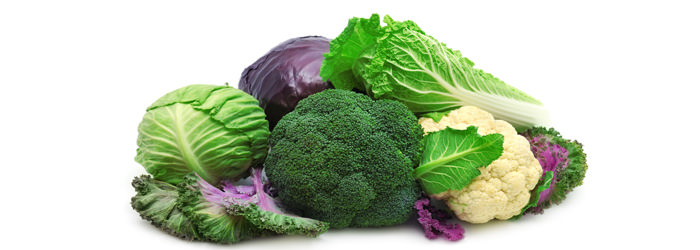
1. Eat more goitrogenic foods 
 vegetables
If you have an underactive thyroid gland, it's important to be cautious about consuming too many unprocessed goitrogenic foods. These foods contain enzymes that are responsible for active substances, which may be neutralized if the food is cooked, fried, or steamed. If you have an overactive thyroid gland, it's recommended that you consult with a nutritionist or doctor about increasing your consumption of goitrogenic foods.


2. Coconut oil - a miracle cure? 
 While coconut oil has been touted as a cure-all for thyroid issues, it's important to note that this isn't entirely accurate. While it doesn't necessarily solve thyroid problems, it has been found to have no negative impact on thyroid function and can be safely used as a replacement for other types of oils.


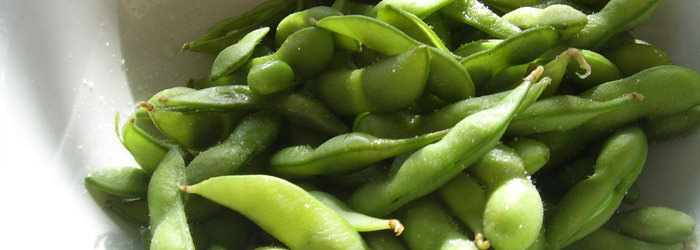
3. Avoid soy 
soy
 
The soy plant contains goitrogenic properties that can inhibit the absorption of thyroid hormones, making it particularly concerning for individuals with hypothyroidism. It is advised to limit the consumption of processed soy foods that are high in phytoestrogens, such as smoothies, powders, soy milk, snacks, and nutritional supplements. If you still prefer to consume soy, it is recommended to do so in the form of a tempeh, and in moderation. For those with an overactive gland, it is best to consult with a doctor or nutritionist before incorporating soy into their diet.


4. Coffee can be a problem 
Coffee does not directly affect the thyroid gland, but it can interfere with the absorption and effectiveness of medications. It is therefore advisable to avoid drinking coffee for at least an hour after taking medication or hormone replacement. Consult your doctor if you cannot wait and must drink coffee close to taking medication. Some liquid medicines or capsules may not be affected by coffee consumption.

 
5. Beware of iron and calcium supplements 
 Calcium and iron supplements can also interfere with drug absorption in the body, so it is recommended to wait at least three to four hours between taking medication and consuming supplements or foods rich in these substances.


6. Foods with iodine 
Consuming foods with iodine does not directly affect the thyroid gland unless they contain other substances that interfere with its function. Iodine is a crucial mineral that helps maintain the hormonal balance of the body's metabolism. The majority of iodine we consume is used by the thyroid gland to produce hormones. While iodine is essential, excessive consumption can lead to overactivity.


7. Avoid gluten 
Individuals who have celiac disease or a sensitivity to gluten or wheat tend to have normal thyroid activity when they follow a gluten-free diet. This is because a gluten-free diet eliminates antibodies and can lead to a remission in thyroid-related diseases. It is therefore recommended that individuals reduce or eliminate foods that contain gluten, even if they do not have a sensitivity, as it can benefit the gland's activity.


8. Fiber-rich foods  
For patients with thyroid-related diseases who often experience constipation and weight gain, incorporating high-fiber foods into their diet can be helpful. Vegetables such as avocado, beans, carrots, chickpeas, eggplant, potato, pumpkin, peas, pepper, and sweet potato, along with fruits like apple, banana, berries, kiwi, orange, pear, plum, and dried fruits, as well as mushrooms, bran, and nuts are all high in fiber and not goitrogenic, making them beneficial. However, it is important to note that excessive consumption of high-fiber foods can impact drug absorption. It is recommended to check with a healthcare professional every two to three months to determine if dosage adjustments are necessary.


9. Small meals vs. big meals  
People who aim to boost their metabolic rate often prefer consuming several small meals throughout the day rather than sticking to two or three big meals, as it ensures that the digestive system works longer on the same amount of food. While this method might work for some individuals, it is not advised for those with abnormal thyroid activity, especially for those who are trying to lose weight. For such people, it is better to have more extended intervals between meals, as it helps to regulate insulin and leptin levels that are responsible for appetite control.


10. Water plays an important role 
Drinking an adequate amount of water can prove to be an effective tool for patients suffering from thyroid gland-related diseases. Water has the ability to boost metabolism, suppress appetite, promote digestion, and relieve constipation. By consuming enough water throughout the day, most of the issues caused by the thyroid gland's abnormal functioning can be alleviated.


NOTE-This article cannot replace professional medical advice. If you're worried about any potential harm to your thyroid gland, it's best to consult with your doctor for a comprehensive assessment.

This is only for your information, kindly take the advice of your doctor for medicines, exercises and so on.   

https://gscrochetdesigns.blogspot.com. one can see my crochet creations  
https://gseasyrecipes.blogspot.com. feel free to view for easy, simple and healthy recipes    
https://kneereplacement-stickclub.blogspot.com. for info on knee replacement
https://cancersupportindia.blogspot.com  for infor on cancer and health related topics
https://GSiyers home remedies.blogspot.com   is the latest addition to my blogs. I'm going to add posts there, do give me your valuable feed back on my blogs. Thanks a lot, take care, be healthy and be happy.
Labels: , , , , , , , , ,

Tuesday, February 16, 2021

10 Foods That Affect Thyroid Activity

The thyroid gland belongs to the body's hormonal system and is responsible, among other things, for metabolic rate. The most common thyroid problems are under and overactive glands, along with other diseases (Hashimoto and Graves) that also affect the normal activity of the gland.

Thyroid disorders occur in 10% -15% of women and in 2% -3% of men. Treatment of thyroid activity involves various drugs, but it is important to ensure that one’s diet is consistent with treatment. If you or someone in your family has thyroid problems, these are 10 things that are most important for you to know.

1. Cook Goitrogenic foods 
Goitrogenic substances are natural compounds found in various foods that cause the thyroid gland to swell. Foods containing these substances interfere with the formation of thyroxine. Goitrogens are found in mustard, horseradish, turnips, cabbage, radishes, broccoli, and kale. If you have hypothyroidism, you should be careful about over-consumption of unprocessed Goitrogenic substances. The enzymes found in these foods, which are responsible for the active substances, can be neutralized in the process of cooking, frying or steaming. If you have an overactive thyroid, consult a nutritionist or doctor about changing your menu for higher intake of Goitrogenic foods.
foods
2. Coconut oil - a miracle medicine? 
Coconut oil is recognized as a miracle drug for thyroid diseases, but this is not true. Coconut oil does not solve thyroid problems, but it was found to not interfere with glandular activity, making it a safe substitute for oils of other types.

3. Soy should be avoided  
Soy is a Goitrogenic substance and it also inhibits the absorption of thyroid hormones, which makes it particularly problematic for those with hypothyroidism. It is not advisable to consume too much soy, especially processed soy foods with a high level of phytoestrogens, such as shakes, powders, soy milk, snacks and nutritional supplements. If you still prefer to consume soy, it is best to do so only in the form of Tempeh, both in small amounts and not as a major source of protein. For those who have hyperthyroidism, consult your doctor or nutritionist about how to incorporate soy into your daily diet.

4. Coffee is problematic  
Although coffee has no effect on the thyroid gland, it can damage the absorption of drugs and their effectiveness. Therefore, it is recommended that you do not drink coffee for an hour after taking a drug or a hormone replacement. If you feel that you must drink coffee close to taking the medicine, consult your doctor. Some types of liquid medications or capsules are not affected by coffee consumption.
 
5. Be cautious of calcium and iron supplements 
Here, too, there is a problem with consumption after taking the drugs, and not with the foods themselves (unless there are other substances in the foods that interfere with the activity of the gland). Dietary supplements or foods rich in calcium and iron can impair the absorption of the drug in the body. It is recommended to wait three or four hours between taking the medicine and consuming supplements.

6. Foods with iodine 
Iodine plays an important role in the hormonal balance of body metabolism. Most of the iodine we consume reaches the thyroid gland and is used to produce hormones. Our body needs iodine for normal activity, but too much of it can cause hyperactivity. Therefore, there is no need to exaggerate with iodine-rich food, just eat these foods in moderation. Examples of iodine-rich foods are seaweed, fish, and seafood.

7. Gluten should be avoided 
People with celiac or a gluten intolerance usually do not suffer from abnormal thyroid activity. The reason for this is that a gluten-free diet removes antibodies and creates a remission in diseases related to the thyroid gland. Therefore, the recommendation is to try to reduce, or completely omit, foods with gluten, even for those who do not have a special sensitivity, because it may help the activity of the thyroid.

8. Fiber-rich foods 
Patients with thyroid-related diseases usually suffer from constipation and excess weight, so a combination of fiber-rich foods can help. Vegetables (avocados, beans, carrots, chickpeas, eggplant, potatoes, pumpkins, peas, peppers, and yams); fruit (apple, banana, berries, kiwi, orange, pear, plum and dried fruits), mushrooms, bran, and nuts are all high-fiber, non- goitrogenic foods that can help. 
 
It is important to know that a large consumption of high-fiber foods can affect the absorption of drugs, so it is recommended to check once every two or three months if dosage changes are needed.

9. Small meals versus large meals 
People who are interested in increasing body metabolism tend to eat smaller meals throughout the day to allow the digestive system to work longer, with the same amount of food they would eat in 2-3 meals. This may be right for some people, but for those with abnormal thyroid activity, this is not recommended at all, even for those trying to lose weight. For those with unusual activity to actually create large intervals between meals. This helps to balance insulin and leptin levels in the body, which are responsible for regulating appetite.

10. Water plays an important role  
Drinking water is one of the most powerful tools used in patients with thyroid-related diseases. Water helps the metabolic rate, reduces appetite, improves digestive processes and fights constipation. Most of the problems caused by the abnormal activity of the thyroid gland can be alleviated with adequate drinking of water throughout the day.

This article does not come in place of medical advice. If you are concerned that you may harm your thyroid activity in some way, ask your doctor for a thorough examination

This is only for your information, kindly take the advice of your doctor for medicines, exercises and so on.     

https://gscrochetdesigns.blogspot.com. one can see my crochet creations  
https://gseasyrecipes.blogspot.com. feel free to view for easy, simple and healthy recipes    
https://kneereplacement-stickclub.blogspot.com. for info on knee replacement

Labels: , , , , , , , , , , , ,