How To Potty Train Your Child in Just One Week
There comes an exciting time in the life of
every toddler, in which they say "goodbye" to the diapers and hello to
the big kid potty. The recommended age for potty training is two to
three years, and by the age of four the child should know how and be
familiar with using the potty.
Many parents go into potty training under
severe stress because of the amount of effort and time needed to wean
them from diapers, but it doesn’t have to be stressful and long, and in
fact, it can be done within a week and even less with these next 9 tips.
Using these tips will make the transition from diaper to potty smooth,
calm, and most importantly - correct!
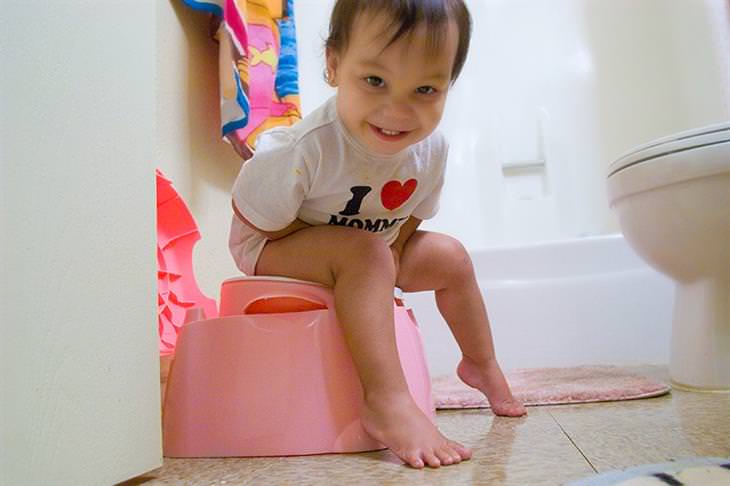
1. Practice sitting on the potty
Dr. Caroline Fertleman, a pediatrician and one of the authors of “The
Gentle Potty Training Book: The Calmer, Easier Approach to Toilet
Training” recommends that you start easy by letting the child sit on the
potty without having to do anything other than becoming familiar with
this new interesting chair.
Every day for an hour or two, in the morning and afternoon, put the
child on the potty without a diaper every fifteen minutes. throughout
the rest of the time let the child play, eat and spend the day as usual
with a diaper, but stop every fifteen minutes for a minute on the potty,
do this for two days, and on the third day do it throughout the whole
day - if you need to leave the house, take the potty with you. It is a
very important step in the one-week potty training process, so don’t
skip it.
2. Let the child walk around the house
without a diaper
After you’ve spent 3 days practicing sitting on a potty, let your child
walk around the house without a diaper, underwear or pants. In this
situation, when the child feels the need to relieve themselves, they’ll
have no choice but to do it somewhere, and the potty or toilet will be
the solution. After you’ve helped them relieve themselves in the potty
or toilet, make sure that they have seen what has come out– as gross as
it may sound, this is a vital step in the process in order for them to
understand the meaning of the act. Turn flushing the toilet into a great
and joyful event so that they know that this, too, is an important step
in the process.
3. Give the child a reward
After the child has used the potty or toilet, give them a small reward -
it can be a sticker, a stamp, a small candy or anything else that comes
to mind. Give the child an even greater reward if, for example, they
spent the whole day without a diaper or an entire night without wetting
themselves.
4. Give a verbal reward as well
Whenever your child uses the potty or toilet properly, praise them and
make sure that other members of the household do the same. This will
help to build confidence in the context of this action but avoid
praising them too much, so if they have an "accident" and can’t make it
to the potty in time (which will probably happen), they won’t feel too
upset.
5. Involve their teachers
Let the teachers know that your child has begun potty training at home.
The teachers are busy with a lot of children during the day, so if your
child needs a reminder to use a potty or toilet, tell the teachers. In
addition, "give your child a tour of the classroom's bathroom, and the
best thing to do is to help him or her take care of their bathroom needs
before you go. It is also important to tell the kindergarten teachers
that the child should receive a reward after he/she uses the potty, and
they’ll provide them with the sticker they deserve.
6. If it's a boy - the father should
demonstrate how to do it
If you are raising a boy, you must teach him how to urinate standing up
like an adult, and the person who bears this responsibility is the
father. The father must show the child how he relieves himself, and then
you can stick a sticker in the toilet to serve as a target for the
child. If you are a single parent, ask for help from a grandfather or
uncle.
7. What do you do when you leave the house?
father As mentioned, if you go out with your child during the weaning process,
take the potty with you. In addition, take wipes and a change of clothes
in case your child has an accident.
8. Read to your child “potty books”
In the past, the book that every parent who potty trained their child
had was “once upon a potty”. Today there are quite a few books that
explain to children the idea using the potty in a way that fits the
level of understanding of children. Choose the book you like most and
read it with your child every night before bedtime to help them better
understand the fact that this is a natural process that every child goes
through.
9. Tips for bedtime
Avoid giving your child milk or juice before bedtime, as this will put a
lot of pressure on the bladder during the night. Some children can be
given dinner later than they are used to, so they don’t feel they need
to eat or drink anything else before bedtime. Before getting into bed,
make sure your child has relieved themselves in the potty. During the
night, let your child sleep in pull-ups, and if you see that they are
regularly dry or that your child is beginning to control their needs and
approaches you when they need to use the toilet, you can let them start
sleeping in their regular underwear.
If you follow these tips, your child will be out of diapers within one
week and even less! As mentioned, there will be small accidents both
during and after the journey, but this is a natural part of the process
and it is very important to emphasize this to the child and to yourself -
that this is only a small accident.