Saturday, September 14, 2024

6 Weird Signs That Could Indicate an Upcoming Heart Attack

In the Western world, where one in four people succumb to cardiovascular disease, the importance of keeping the heart in good working order is hard to overemphasize. Unfortunately, the first sign that many people have that their heart isn’t working as it should is when they have a heart attack. 
 
Although you cannot see your heart beating in your chest – not without specialist equipment at least - there are visible, external signs that can indicate if something is wrong with your heart, before you suffer from a life-changing or life-ending cardiovascular event. 
 
Fatty Bumps
Heart Health

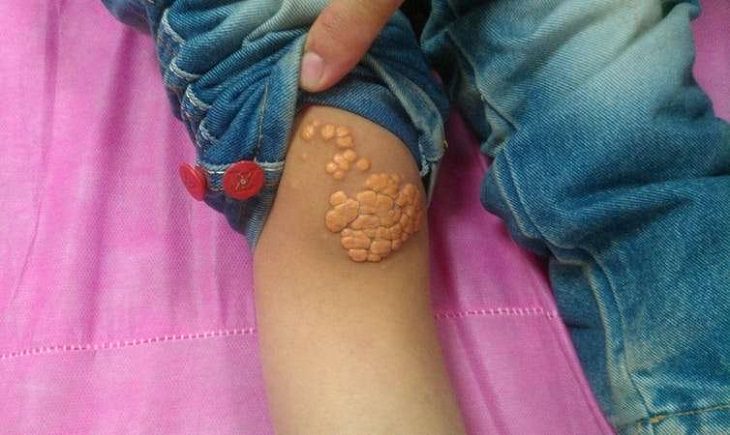
One external indicator of heart problems are yellow, fatty bumps – known clinically as xanthomas – that can appear on the knees, elbows, eyelids, or buttocks. The bumps themselves are harmless. But they are a sign of bigger problems. 
 
Xanthomas are often found in people with a genetic disease knows as familial hypercholesterolemia. Those who suffer from this condition have high levels of low-density lipoprotein cholesterol – so-called “bad cholesterol.” The levels of this cholesterol are so high that they become deposited in the skin. Unfortunately, these fat deposits are also laid down in the arteries that supply the heart. 
 
Creased Earlobes 
Another external indicator is the presence of diagonal creases on the earlobes – known as Frank’s sign, named after Sanders Frank, the American doctor who first described the sign. 
 
Studies have proven that there is an association with the visible external crease on the earlobe and increased risk of atherosclerosis, a disease where plaque builds up inside the arteries. It’s not clear what the cause of the association is, but some have postulated that it has something to do with the shared embryological origin. Most recently, it has been seen that these creases are also implicated in cerebrovascular disease – disease of the blood vessels in the brain. 
 
Halo around the Iris 
Fat deposits might also be seen in the eye, as a gray ring around the outside of the iris, the colored part of the eye. This ring, known as an arcus senilis, starts at the top and bottom of the iris before progressing to form a complete ring. It doesn’t interfere with vision. 
 
Around 45% of people over the age of 40 have this fatty halo around their iris, rising to around 70% of people over the age of 60. The presence of this ring of fat has been proven to be associated with some of the risk factors for coronary heart disease.


Clubbed fingernails
Heart Health

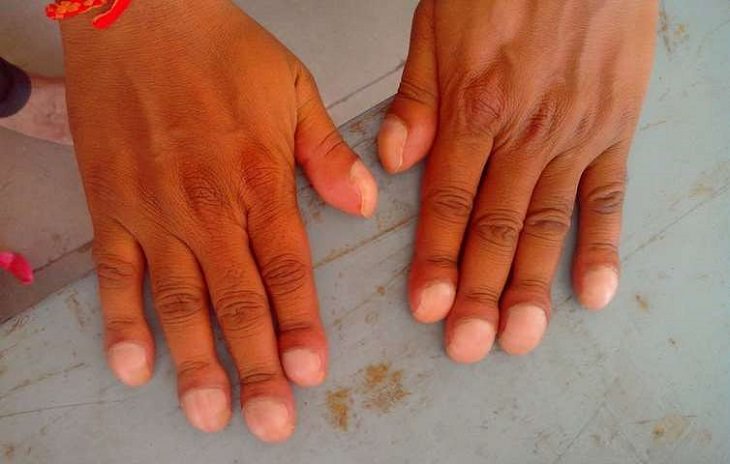
A phenomenon by the name of digital clubbing might also be a sign that all is not well with your heart. This is where the fingernails change shape, becoming thicker and wider, due to an increased production of tissue. The change is usually painless and occurs on both hands. 
 
The reason this change indicates heart issues is because oxygenated blood is not reaching the fingers properly and so the cells produce a factor to try to rectify the issue. 
 
Rotten Gums and Loose Teeth  
Your oral health can also be a great predictor of the state of your cardiovascular health. Your mouth is full of bacteria, both good and bad. The “bad” bacteria can enter the bloodstream from the mouth and cause inflammation in the blood vessels, which can lead to cardiovascular disease. 
 
Studies have shown that inflamed gums and tooth loss are markers of heart disease. 
 
Blue Lips 
Another heart health indicator is the color of your lips. The lips are usually red, but they can take on a bluish color in people with underlying heart issues, due to the failure of the cardiovascular system to deliver oxygenated blood to tissues. 
 
Of course, people can get blue lips if they’re extremely cold or have been at a high altitude. If this is the case, blue lips are probably just due to a temporary lack of oxygen and will resolve quite quickly. 
 
The other five symptoms above can also have benign causes, so if you’re worried or in doubt, you should contact your doctor or another healthcare professional for an expert opinion.


This is only for your information, kindly take the advice of your doctor for medicines, exercises and so on.   

https://gscrochetdesigns.blogspot.com. one can see my crochet creations  
https://gseasyrecipes.blogspot.com. feel free to view for easy, simple and healthy recipes    
https://kneereplacement-stickclub.blogspot.com. for info on knee replacement
https://cancersupportindia.blogspot.com  for infor on cancer and health related topics
https://GSiyers home remedies.blogspot.com   is the latest addition to my blogs. I'm going to add posts there, do give me your valuable feed back on my blogs. Thanks a lot, take care, be healthy and be happy.
Labels: , , , , ,

Sunday, March 17, 2024

6 Weird Signs That Could Indicate an Upcoming Heart Attack

In the Western world, where one in four people succumb to cardiovascular disease, the importance of keeping the heart in good working order is hard to overemphasize. Unfortunately, the first sign that many people have that their heart isn’t working as it should is when they have a heart attack. 
 
Although you cannot see your heart beating in your chest – not without specialist equipment at least - there are visible, external signs that can indicate if something is wrong with your heart, before you suffer from a life-changing or life-ending cardiovascular event. 
 
 
Fatty Bumps
Heart Health
One external indicator of heart problems are yellow, fatty bumps – known clinically as xanthomas – that can appear on the knees, elbows, eyelids, or buttocks. The bumps themselves are harmless. But they are a sign of bigger problems. 
 
Xanthomas are often found in people with a genetic disease knows as familial hypercholesterolemia. Those who suffer from this condition have high levels of low-density lipoprotein cholesterol – so-called “bad cholesterol.” The levels of this cholesterol are so high that they become deposited in the skin. Unfortunately, these fat deposits are also laid down in the arteries that supply the heart.


Creased Earlobes
Another external indicator is the presence of diagonal creases on the earlobes – known as Frank’s sign, named after Sanders Frank, the American doctor who first described the sign.
 
Studies have proven that there is an association with the visible external crease on the earlobe and increased risk of atherosclerosis, a disease where plaque builds up inside the arteries. It’s not clear what the cause of the association is, but some have postulated that it has something to do with the shared embryological origin. Most recently, it has been seen that these creases are also implicated in cerebrovascular disease – disease of the blood vessels in the brain. 
 
 
Halo around the Iris 
Fat deposits might also be seen in the eye, as a gray ring around the outside of the iris, the colored part of the eye. This ring, known as an arcus senilis, starts at the top and bottom of the iris before progressing to form a complete ring. It doesn’t interfere with vision. 
 
Around 45% of people over the age of 40 have this fatty halo around their iris, rising to around 70% of people over the age of 60. The presence of this ring of fat has been proven to be associated with some of the risk factors for coronary heart disease.


Clubbed Fingernails
Heart Health

A phenomenon by the name of digital clubbing might also be a sign that all is not well with your heart. This is where the fingernails change shape, becoming thicker and wider, due to an increased production of tissue. The change is usually painless and occurs on both hands.
 
The reason this change indicates heart issues is because oxygenated blood is not reaching the fingers properly and so the cells produce a factor to try to rectify the issue. 
 
Rotten Gums and Loose Teeth  
Your oral health can also be a great predictor of the state of your cardiovascular health. Your mouth is full of bacteria, both good and bad. The “bad” bacteria can enter the bloodstream from the mouth and cause inflammation in the blood vessels, which can lead to cardiovascular disease. 
 
Studies have shown that inflamed gums and tooth loss are markers of heart disease. 
 
Blue Lips 
Another heart health indicator is the color of your lips. The lips are usually red, but they can take on a bluish color in people with underlying heart issues, due to the failure of the cardiovascular system to deliver oxygenated blood to tissues. 
 
Of course, people can get blue lips if they’re extremely cold or have been at a high altitude. If this is the case, blue lips are probably just due to a temporary lack of oxygen and will resolve quite quickly. 
 
The other five symptoms above can also have benign causes, so if you’re worried or in doubt, you should contact your doctor or another healthcare professional for an expert opinion.

This is only for your information, kindly take the advice of your doctor for medicines, exercises and so on.   

https://gscrochetdesigns.blogspot.com. one can see my crochet creations  
https://gseasyrecipes.blogspot.com. feel free to view for easy, simple and healthy recipes    
https://kneereplacement-stickclub.blogspot.com. for info on knee replacement
https://cancersupportindia.blogspot.com  for infor on cancer and health related topics
https://GSiyers home remedies.blogspot.com   is the latest addition to my blogs. I'm going to add posts there, do give me your valuable feed back on my blogs. Thanks a lot, take care, be healthy and be happy.

Labels: , , , , ,

Friday, April 16, 2021

Coronavirus: 5 critical COVID signs and symptoms that demand hospitalization

Warning signs of COVID hospitalization

The trajectory of COVID cases in the country is spiking up yet again. With over 2,00,000 fresh cases recorded as of April 16, 2021, the fourth wave of coronavirus is perhaps the scariest one.

The spike in caseloads is also adding pressure on the healthcare system and diagnostics. As doctors are suspecting, the newer COVID strains are not only a lot more infectious but also bringing along severe symptoms and complications for even the young and healthy.

2. What are your chances of getting severe COVID-19 infection?

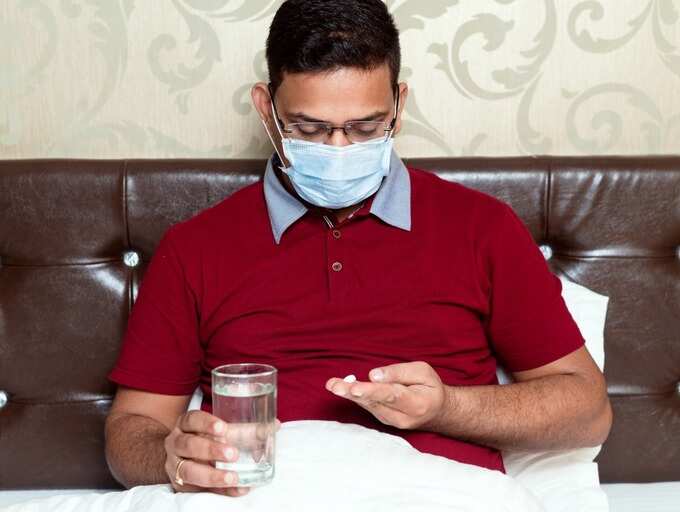
While a lot of people recover well under home quarantine and many patients being advised to seek hospitalized care only if necessary, it's also crucial to recognize signs of trouble and seek attention at the right time. Like what is being seen right now, severe COVID is not just risky for the elderly or the ones with comorbidity, it can also quickly strike healthier patients and cause symptoms that may be harder to identify.

3. Pay attention to your symptoms

Remember, the symptoms of SARS-COV2 can quickly progress from mild to worse and require attention. The first week of infection is crucial since this is the time when the viral load peaks. Staying vigilant and being aware of symptoms should be a priority.

Even in low-grade cases, patients need to constantly monitor and look out for symptoms to determine whether a case has become severe and hospitalization is needed.

Here are some signs that one needs to be shifted to the hospital in such a scenario:

4. Experiencing difficulty in breathing

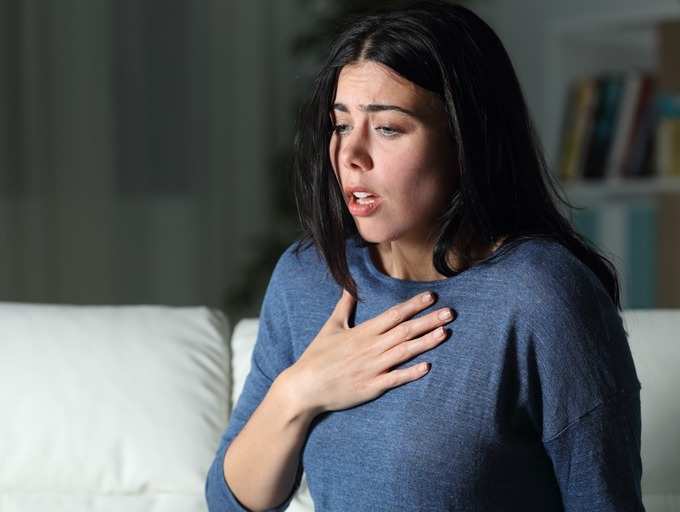
Breathlessness and chest pain can be signs of a worsening infection. Coronavirus is a respiratory infection and the virus attacks the healthy cells in the upper tract and the airways, making it difficult to catch a breath. If your breathing feels laboured, you feel out of breath if you pace about the room or walk up a flight of stairs, these can point to signs of trouble. In the same way, experiencing trouble in inhaling and exhaling should also make you keep a close eye. Connect to a doctor and take immediate action to prevent infection from worsening.

5.  A dip in oxygen levels

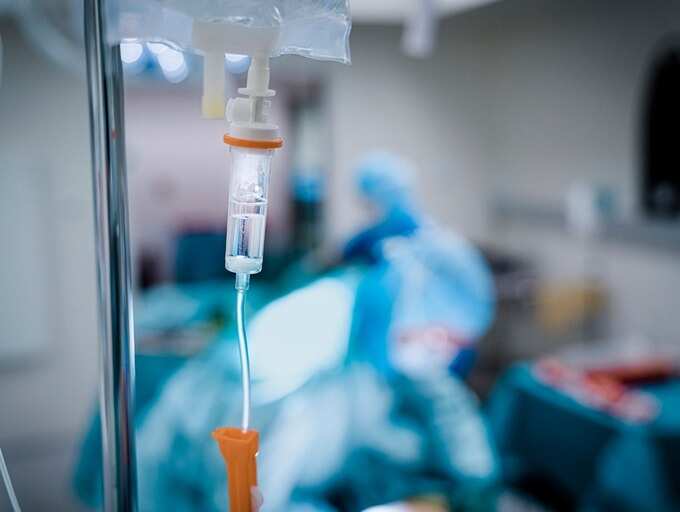
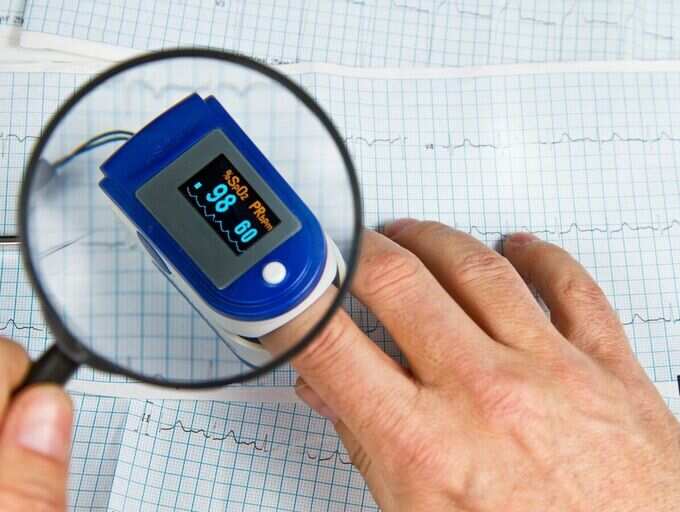
Low oxygen saturation is a concerning cause of any illness. When a person contracts COVID-19, there are chances that he/she may also develop COVID pneumonia which inflames the air sacs in the lungs and they may get filled with fluid or pus and even dip oxygen levels in the body. While hospitalized patients are constantly monitored for their vitals, in cases of a worsening infection, oxygen levels can often go down pretty quickly without the patient even realizing it. Hence, some states started to supply a pulse oximeter for patients under home quarantine to keep a check on their readings. If you run low on oxygen, you may experience difficulty breathing and that is a sign you need medical care.

6. Delirium, or experiencing confusion of any sort

COVID-19 also affects the brain and nervous system in mild ways. A clear change in how you feel, experiencing bouts of confusion, feeling sleepy or slugging or brush with delirium is a symptom of the infection worsening. Experts also say that another point of worry is if the patient finds it difficult to carry out simple tasks, or speak a sentence without slurring, immediate care is needed.

7. Chest pain

Any kind of chest pain should never be taken lightly. SARS-COV2 attacks the mucosal linings in the lungs and in many cases, it can result in a tugging pain or discomfort in and around the chest area. COVID+ patients also experience what experts term substernal chest pain, under their breastbone. If your pain gets unbearable or causes any sort of discomfort, it should be evaluated at the earliest.

8. Blue lips

Bluish discolouration to the lips or parts of the face is a sign that oxygen levels are being depleted to critical care and experience hypoxia. If not taken care of, it can also turn life-threatening. Hence, this is one symptom that should never be treated lightly.

9. What other symptoms does one need to watch out for?

Apart from the above-listed symptom, a worsening of any existing symptom or appearance of new ones (such as fever, diarrhoea, fatigue, dip in vitals) should be reason enough for you to call the emergency services.

This is only for your information, kindly take the advice of your doctor for medicines, exercises and so on.     

https://gscrochetdesigns.blogspot.com. one can see my crochet creations  
https://gseasyrecipes.blogspot.com. feel free to view for easy, simple and healthy recipes    
https://kneereplacement-stickclub.blogspot.com. for info on knee replacement

Labels: , , , , , , , ,

Thursday, February 18, 2021

Surprising Signs of a Damaged Heart

In the Western world, where one in four people succumb to cardiovascular disease, the importance of keeping the heart in good working order is hard to overemphasize. Unfortunately, the first sign that many people have that their heart isn’t working as it should is when they have a heart attack.
Although you cannot see your heart beating in your chest – not without specialist equipment at least - there are visible, external signs that can indicate if something is wrong with your heart, before you suffer from a life-changing or life-ending cardiovascular event.
 
Fatty Bumps
Heart Health
One external indicator of heart problems are yellow, fatty bumps – known clinically as xanthomas – that can appear on the knees, elbows, eyelids, or buttocks. The bumps themselves are harmless. But they are a sign of bigger problems. 
 
Xanthomas are often found in people with a genetic disease knows as familial hypercholesterolemia. Those who suffer from this condition have high levels of low-density lipoprotein cholesterol – so-called “bad cholesterol.” The levels of this cholesterol are so high that they become deposited in the skin. Unfortunately, these fat deposits are also laid down in the arteries that supply the heart.

Creased Earlobes  
Another external indicator is the presence of diagonal creases on the earlobes – known as Frank’s sign, named after Sanders Frank, the American doctor who first described the sign. 
 
Studies have proven that there is an association with the visible external crease on the earlobe and increased risk of atherosclerosis, a disease where plaque builds up inside the arteries. It’s not clear what the cause of the association is, but some have postulated that it has something to do with the shared embryological origin. Most recently, it has been seen that these creases are also implicated in cerebrovascular disease – disease of the blood vessels in the brain. 
 
Halo around the Iris 
Fat deposits might also be seen in the eye, as a gray ring around the outside of the iris, the colored part of the eye. This ring, known as an arcus senilis, starts at the top and bottom of the iris before progressing to form a complete ring. It doesn’t interfere with vision. 
 
Around 45% of people over the age of 40 have this fatty halo around their iris, rising to around 70% of people over the age of 60. The presence of this ring of fat has been proven to be associated with some of the risk factors for coronary heart disease. 
 
Clubbed Fingernails
Heart Health
A phenomenon by the name of digital clubbing might also be a sign that all is not well with your heart. This is where the fingernails change shape, becoming thicker and wider, due to an increased production of tissue. The change is usually painless and occurs on both hands. 
 
The reason this change indicates heart issues is because oxygenated blood is not reaching the fingers properly and so the cells produce a factor to try to rectify the issue. 
 
Rotten Gums and Loose Teeth 
 
Your oral health can also be a great predictor of the state of your cardiovascular health. Your mouth is full of bacteria, both good and bad. The “bad” bacteria can enter the bloodstream from the mouth and cause inflammation in the blood vessels, which can lead to cardiovascular disease. 
 
Studies have shown that inflamed gums and tooth loss are markers of heart disease. 
 
Blue Lips 
 
Another heart health indicator is the color of your lips. The lips are usually red, but they can take on a bluish color in people with underlying heart issues, due to the failure of the cardiovascular system to deliver oxygenated blood to tissues. 
 
Of course, people can get blue lips if they’re extremely cold or have been at a high altitude. If this is the case, blue lips are probably just due to a temporary lack of oxygen and will resolve quite quickly. 
 
The other five symptoms above can also have benign causes, so if you’re worried or in doubt, you should contact your doctor or another healthcare professional for an expert opinion.

This is only for your information, kindly take the advice of your doctor for medicines, exercises and so on.     

https://gscrochetdesigns.blogspot.com. one can see my crochet creations  
https://gseasyrecipes.blogspot.com. feel free to view for easy, simple and healthy recipes    
https://kneereplacement-stickclub.blogspot.com. for info on knee replacement

Labels: , , , , , , ,