Got Diabetes? Here's a List of 10 Ingredients You Should Eat
When having to deal with managing blood
sugar levels, obsessing over everything you can't have may seem like
your best option. But while it is certainly important to limit foods
like white, refined breads, pasta, and fried fatty foods, paying
attention to what you should eat is just as vital.
The ingredients below have been singled out by numerous nutritionists
and diabetes experts. What makes these foods exceptionally great is that
they are packed with four healthy nutrients: fiber, omega-3, calcium
and vitamin D, all of which are essential to a diabetic. They're also
incredibly versatile. You can add them to your meals, eat them as
stand-alone healthy snacks, or add them to recipes. Let's take a look:
1. Beans
Besides being high in fiber, beans contain plant compounds that help you
feel full, provide steady blood sugar and are low in cholesterol. And
while not packed in calcium, you'll get a good enough dose. Half a cup
of white beans will get you almost 100mg of calcium, making up about 10%
of your daily intake. Beans are also an excellent source of protein,
and unlike red meat, they are low in saturated fat.
Use: Beans can be added to salads, soups, chili and more. There's a
variety of beans available, so you're not restricted to eating the same
type twice.
2. Dairy
For a rich source of calcium and vitamin D,
diabetics should certainly include dairy foods like milk, cottage
cheese and yogurt in their diet. In fact, one study found that women who
consumed more than 1,200 mg of calcium and more than 800 IU
(International Units) of vitamin D a day were 33% less likely to develop
diabetes than those not taking enough. Best opt for low-fat versions,
as the regular kinds may contain a lot of saturated fat.
Use: Opt for yogurt or cottage cheese as a snack or dessert, and use
milk to make oatmeal or to thicken soups.
3. Barley
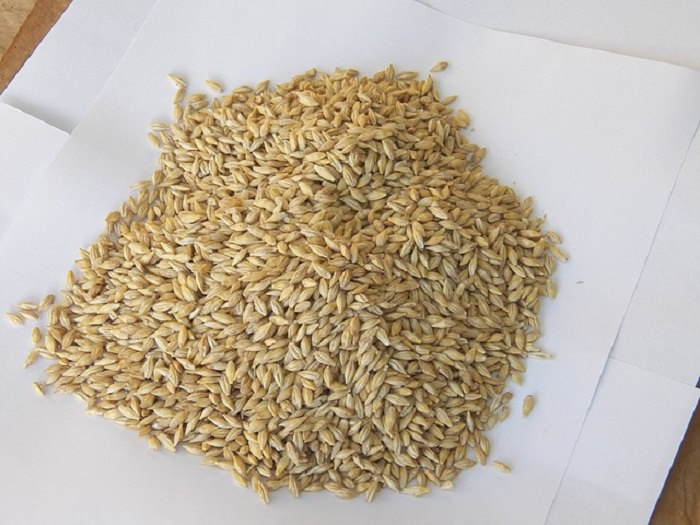
Barley is rich in a special kind of soluble
fiber called beta-glucan, which according to research, can lower total
and LDL cholesterol by preventing your body's ability to absorb it. One
review found that consuming just 3 grams a day (a single serving of
barley) can lower cholesterol by 8%. As a result of its high fiber
content, barley can also help steady your blood sugar. The grain also
contains a modest amount of calcium.
Use: Opt for hulled barley as it isn't as refined as pearl barley. Soak
it overnight, then add to soups, stews or rice pilaf.
4. Oats
Aside from containing an essential source
of fiber content (a half-cup provides 4g), oats help lower LDL
cholesterol and improve insulin resistance. The soluble fiber in oats
slows the rate at which your body can break down and absorb
carbohydrates, enabling your blood sugar levels to stay stable.
Use: Eat oats every morning as part of your breakfast. You can also
sneak it into all kinds of recipes from pancakes to meatloaf and cookies
too.
5. Berries 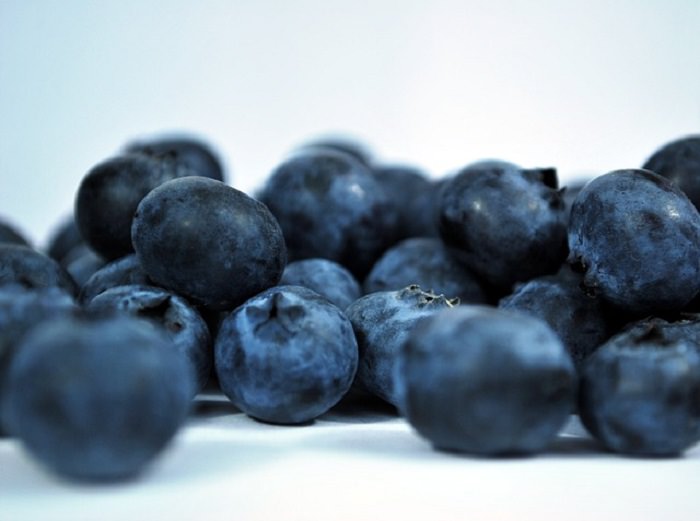
Berries are loaded with fiber (a cup of
blackberries contains 7.6g of fiber) and antioxidants called
polyphenols. A 2008 study published in the American Journal of Clinical
Nutrition found that people with heart disease risk factors, who ate
berries for 8 weeks had a drop in blood pressure and a boost in good HDL
cholesterol.
Use: Mix berries into oatmeal, ice cream or salads.
6. Dates
Besides their sweet taste and delightful
texture, dates supply a generous amount of fiber (7 dates contain 4g)
making them a perfect diabetes-friendly snack. Dates are also packed
with antioxidants - a serving of dates contains more antioxidants than
oranges, grapes, broccoli, and peppers.
Use: Stuff with pecan or walnut halves for a satisfying snack. You can
also add them to bread and cookies.
7. Greens
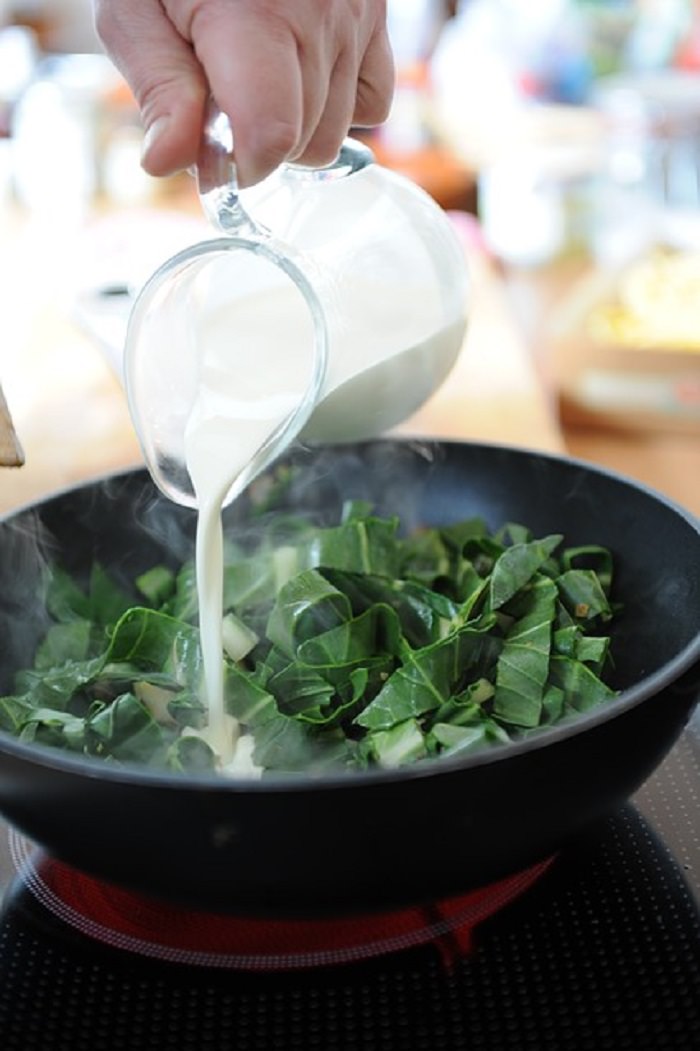
When it comes to upping your intake of
'greens' you're not solely limited to lettuce, in fact, your choices are
pretty diverse. Greens range from turnips to mustard, beet greens, as
well as chard. All are an outstanding source of fiber (1 cooked cup
contains anywhere from 3 to 6g) and calcium (supplying around 100 to
250mg per cup). Aside from being beneficial to your blood sugar levels,
greens are also good for your heart.
Use: Prepared well, greens can be pretty delicious. You can use them in
entrees, sandwiches, and salads.
8. Flaxseed
 |
Though they may be tiny, flaxseed packs a
big health punch. They are best known for their source of fiber and
alpha-linolenic acid (ALA), which your body converts to omega-3. In
several large studies, researchers have found a link between increased
ALA and lower odds of heart disease, heart attack, and other
cardiovascular issues. These seeds are also known to lower cholesterol
and blood sugar.
Use: Ground flaxseed may be added to all kinds of food, such as oatmeal,
low-fat cottage cheese, and fruit smoothies.
9. Walnuts
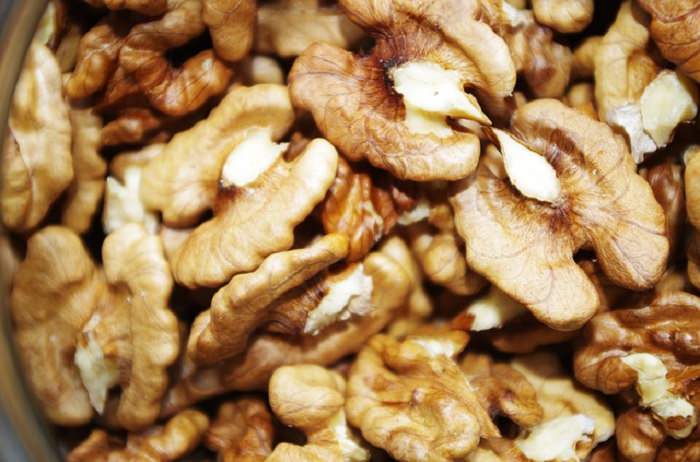
1 ounce of these healthy nuts provides 2g
of fiber plus 2.6g of ALA. If you're watching your weight though,
control your portion.
Use: They can be eaten as a snack, or can be added to salads, cookies,
and brownies.
10. Peanut Butter

Studies have shown a link between peanut
butter and a reduced risk of diabetes. The fiber content (2 tablespoons
has almost 2g) may be a contributing factor. This classic comfort food
contains mostly monounsaturated fat, making it a heart-healthy option.