These Foods Are Essential for a Healthy Gut System
You've probably heard of probiotics—those
live microorganisms present in cultured dairy products and other
fermented foods. Whether it's the yogurt you consume for breakfast, the
kefir smoothie for a midday snack, or a kimchi rice bowl for dinner,
probiotics are prevalent in many popular foods. But have you ever
explored the world of prebiotics? What exactly are prebiotics, and
what's behind the surge of interest in them in the nutrition world?
What are Prebiotics?
Prebiotics are indigestible plant fibers
that promote the growth of beneficial bacteria in your gut. Unlike
probiotics, which are beneficial bacteria, prebiotics feed the good
bacteria in the lower digestive tract. Do note that not all dietary
fibers qualify as prebiotics. Well-established prebiotics include
inulin, fructo-oligosaccharides (FOS), and galacto-oligosaccharides
(GOS).
Including more prebiotic-rich foods in your diet can benefit your
digestive system, your nervous system, your immune system, and your
cardiovascular system. This dietary adjustment may help in:
Stabilizing blood sugar levels
Managing a healthy weight
Lowering blood lipid levels
Promoting optimal intestinal motility
Nourishing beneficial gut bacteria
Here are the best prebiotic foods recommended by registered dietitians for better gut health.
1. Dandelion Greens
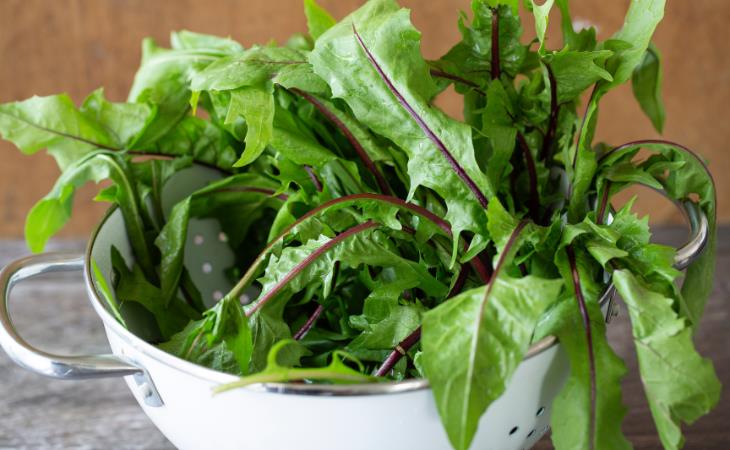
Dandelion greens, which are high in inulin
(a soluble dietary fiber that stimulates healthy gut bacteria like
Bifidobacteria), have 3.5 grams of fiber per 100-gram serving and are
beneficial to a healthy diet. Apart from their fiber content, these
greens are high in antioxidants, which are essential for protecting
cells and lowering the risk of severe diseases such as cancer,
cardiovascular disease, and Alzheimer's. Embrace the nutritional
benefits by including dandelion greens in your favorite recipes, such as
salads, green juices, and smoothies.
2. Barley 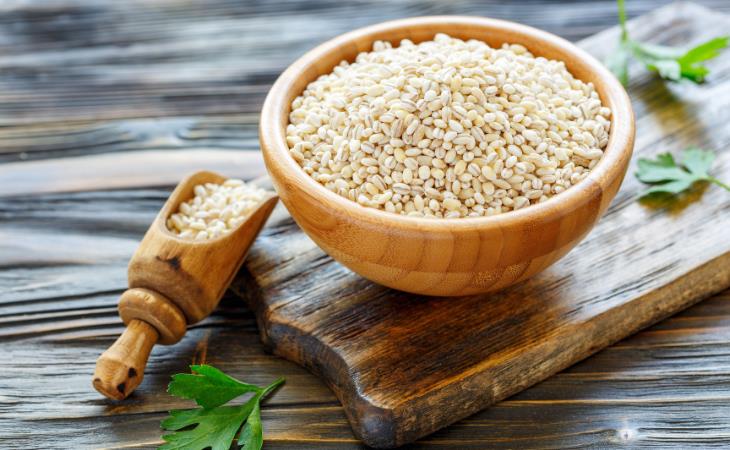
Barley, an often overlooked grain in many
kitchens, has a high nutritional value with significant amounts of fiber
and protein. A half-cup serving of cooked pearled barley, or around 79
grams, has 3 grams of fiber.
Recent research reaffirms prior studies on the prebiotic potential of
cereal grains. Barley, in particular, stands out for its high levels of
beta-glucan, a compound not only known for its prebiotic qualities but
also valued as a functional food ingredient due to its ability to
thicken, stabilize, and emulsify foods. Adding barley to stir-fries,
soups, or side dishes shows promise for prebiotic benefits.
3. Mushrooms 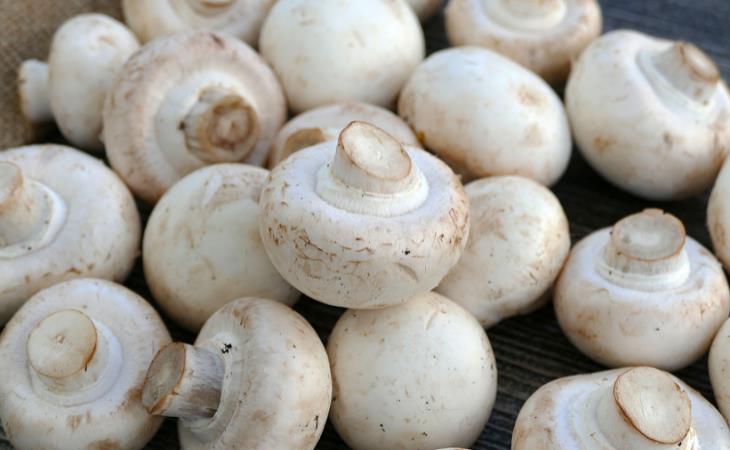
Almost all edible mushrooms are rich in
carbohydrates such as chitin, beta- and alpha-glucans, as well as other
compounds that function as prebiotics. Furthermore, mushrooms contain
essential amino acids and minerals, including calcium, potassium,
magnesium, iron, and zinc, which contribute to energy production and
immune system enhancement.
Consider using portobello mushrooms or embellishing a simple stir fry
with chopped mushrooms. These culinary alternatives are a simple way to
get more nutritious fungus into your daily diet.
4. Jerusalem Artichokes
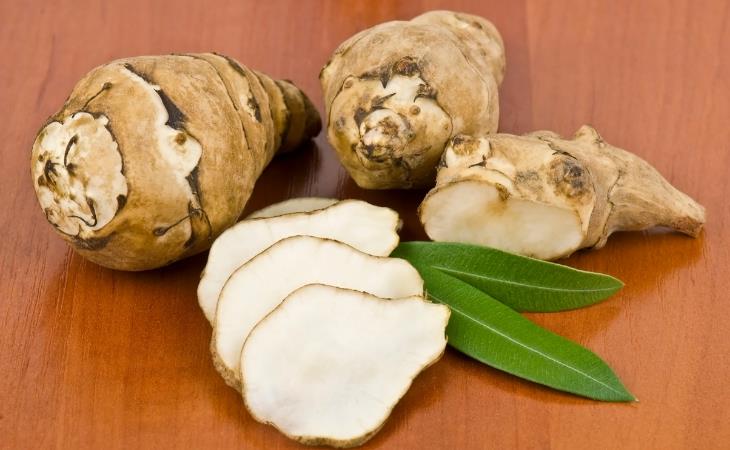
Often referred to as "sunchokes," Jerusalem
artichokes are tuberous root vegetables derived from a unique sunflower
species native to Central North America. Laden with prebiotic compounds
like inulin and oligofructose, along with essential minerals such as
potassium, these tubers promote balanced gut health. Jerusalem
artichokes contain specific prebiotics that stimulate beneficial
bacteria that can improve the absorption of crucial minerals like
calcium and magnesium. They can be eaten raw or cooked.
5. Bananas
Bananas are rich in vitamins, minerals, and
fiber, and they also contain small amounts of inulin. A study published
in Anaerobe in 2011 found that the prebiotic properties found in whole
bananas may support the growth of beneficial gut microbes through
regular consumption.
6. Garlic
Garlic is one of the most popular prebiotic
foods on the market. Although a single garlic clove (around 3 grams)
provides only about 0.1 grams of fiber, its functional components make
it a valuable prebiotic source. Garlic saccharides obtained from garlic
polysaccharides were found to have prebiotic properties under controlled
conditions, according to a study published in Current Research in Food
Science in 2022.
Fructans are needed for the growth of microorganisms that promote
health, such as Bifidobacterium, Lactobacillus, and Faecalibacterium
prausnitzii. F. prausnitzii, a key probiotic in a healthy gut
microbiome, has been shown to be absent in a variety of intestinal
conditions, such as inflammatory bowel disease. This highlights the
importance of fructans in maintaining a healthy gut environment.
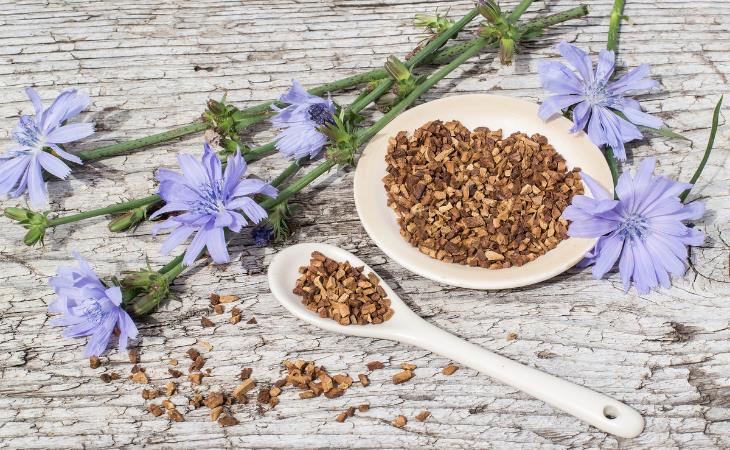
7. Chicory Root
A member of the daisy and sunflower family,
chicory is a woody, perennial plant known for its bright blue flowers.
Its root, cultivated for its rich inulin content, is commonly baked,
ground, and used as a coffee substitute or fiber supplement. In addition
to inulin, chicory root is a source of important minerals like
potassium, calcium, magnesium, selenium, and zinc.
Fresh chicory roots are bitter, but you can adjust to their taste by
drinking chicory root coffee or using it in baked goods or protein
shakes.
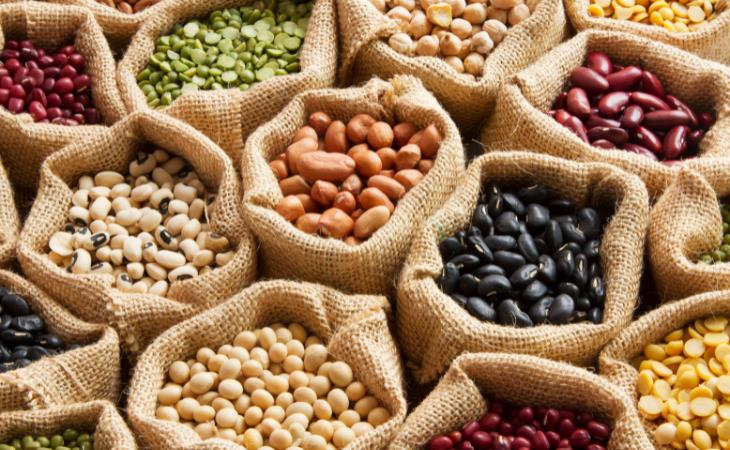
8. Legumes
Chickpeas, black beans, edamame, lentils,
and their leguminous counterparts are prominent sources of prebiotics,
specifically galacto-oligosaccharides. Having intestinal gas following
bean consumption is simply a sign that our gut flora are fermenting the
prebiotic fiber, providing key health benefits along the way, such as
the growth of beneficial bacteria like Bifidobacteria.
Bifidobacterium
supports immunological function, creates B vitamins, protects us from
invading pathogens, and makes butyrate, a short-chain fatty acid with
anti-inflammatory qualities and serves as intestinal fuel.