The Cortisol Cocktail - Does it Work?
If you've been scrolling through social media platforms lately, you've probably encountered influencers sipping a fizzy drink before bedtime, claiming it helps them sleep better, feel calmer, and wake up more refreshed. This trendy beverage, dubbed the "cortisol cocktail," has taken the wellness world by storm.
The viral drink typically combines
magnesium powder, coconut water, and citrus juice, with some creators
adding pink Himalayan salt or sparkling water for extra flavor. Given
that cortisol is widely known as the "stress hormone," and with rising
levels of stress, poor sleep, and burnout in our modern world, it's easy
to see why this "mocktail" has captured so much attention.
Proponents describe the cortisol cocktail as a "relaxation ritual" that
offers natural nervous system support. Many users report that it helps
them manage stress and fall asleep more easily. But does this trendy
drink actually deliver on its promises? And are there any potential
downsides to consider?
The Science Behind Magnesium and Stress
While there isn't any scientific evidence specifically supporting the
stress-relieving benefits of the cortisol cocktail as a whole, some of
its individual ingredients do show promise, particularly magnesium.

"Magnesium is a powerhouse of a nutrient
responsible for hundreds of biochemical processes in the body," explains
nutritionist Beth Edwards. She notes that during stressful episodes,
our bodies burn through magnesium stores more quickly and excrete more
of this essential mineral through urine. This makes replenishing
magnesium levels particularly important during times of stress.
Research supports this connection between magnesium and stress
management. A 2020 study found that magnesium supplementation may help
lower elevated cortisol levels, especially in individuals with magnesium
deficiencies. Nutritionist Amie Parry-Jones points out that elevated
cortisol can contribute to electrolyte loss, and magnesium deficiency
can cause various stress-related symptoms.
Additional Beneficial Ingredients
The citrus component of the cortisol cocktail provides vitamin C,
another nutrient that plays a role in stress response. "Orange and lemon
juice contain vitamin C, which we know is an important nutrient and
antioxidant across the board, but especially when it comes to supporting
the stress response and ensuring optimal adrenal function," Edwards
explains.
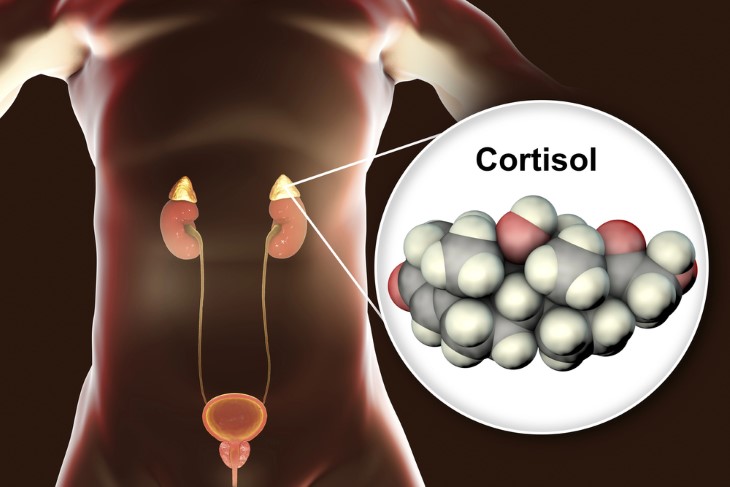
The adrenal glands, located near the kidneys, are responsible for
producing stress hormones like adrenaline and cortisol. These glands
utilize vitamin C quickly, making adequate levels important for optimal
function.
However, the benefits may be limited.
Research showing vitamin C's effectiveness in managing stress-related
symptoms typically involves high-dose supplementation rather than the
relatively small amounts found in food sources like citrus juice.
Coconut water, another key ingredient, provides electrolytes,
particularly potassium. "Coconut water contains good levels of
electrolytes, notably potassium, which can address electrolyte
imbalances, potentially supporting a reduction in cortisol," Parry-Jones
notes. However, both experts agree that this effect is likely minimal.
Potential Drawbacks to Consider
Despite its natural ingredients, the cortisol cocktail isn't without
potential downsides. The citrus juice component can cause rapid blood
sugar spikes, which may actually interfere with sleep quality.
"
The sugars from orange juice are absorbed into the bloodstream rapidly
due to the separation from fiber in the whole fruit," Parry-Jones
explains. This creates a spike in blood glucose levels before bed,
followed by a crash as the body releases insulin to manage the sugar.
These blood sugar fluctuations can leave you feeling hot, restless, and
struggling to fall or stay asleep. Ironically, poor sleep actually
increases cortisol levels the following day, potentially counteracting
any benefits the drink might provide.
To minimize this effect, Edwards recommends consuming the cortisol
cocktail earlier in the day alongside a meal rather than as a bedtime
drink.
The sparkling water component may also
cause digestive issues for some people. "The sparkling water in the
recipe may cause digestive symptoms such as bloating, reflux, or gas,
again potentially leading to poor sleep," Parry-Jones warns.
The Bottom Line: A Harmless but Limited Trend
While the cortisol cocktail is unlikely to cause significant harm,
experts are skeptical about its effectiveness as a stress-management
tool.
"The cortisol mocktail sounds fun, but it's highly unlikely to lead to
any real results in reducing cortisol or addressing stress levels in the
long term," says Parry-Jones.
Edwards agrees, noting that while the drink might support optimal stress
response, the relatively low doses of active ingredients limit its
potency. "The drink contains lowish amounts of ingredients and
nutrients, meaning its potency is also low."
Any positive effects people experience might be largely psychological.
"There may be an element of placebo effect when someone starts drinking
this cocktail. This tends to be initially quite powerful but wears off
over time," Parry-Jones observes.
Better Approaches to Stress Management
Rather than relying on a single drink for stress relief, experts
emphasize the importance of comprehensive lifestyle approaches. "I'd
encourage people to think about their overall lifestyle, nutrition as a
whole, sleep and movement, rather than focusing on one drink," Edwards
advises. "Look at the bigger picture, rather than overly focusing on one
'quick fix'."
Meaningful stress relief and cortisol balance typically require more
personalized interventions, which may involve working with healthcare
professionals to address individual needs and circumstances.
While there's no harm in trying the cortisol cocktail if you're curious,
it's important to remember that effective stress management involves
consistent, evidence-based strategies rather than trendy quick fixes.
Quality sleep, balanced nutrition, regular physical activity, and proper
stress management techniques remain the gold standard for maintaining
healthy cortisol levels and overall well-being.