Comparing Health Benefits: Basil Seeds to Chia Seeds
While chia seeds have long been celebrated
as a nutritional powerhouse, basil seeds are emerging as a worthy
competitor. Both offer impressive health benefits, but which one
deserves a spot in your pantry?
Understanding the Basics
These tiny black seeds share remarkable similarities. Both become
gelatinous when soaked in liquid, transitioning from crunchy to soft
with a gel-like coating. They can enhance salads, baked goods, overnight
oats, and beverages with added nutrition and texture.
However, their origins differ significantly. Basil seeds come from the
basil plant (Ocimum basilicum), native to India, Pakistan, South Asia,
and parts of Africa. "Basil seeds have been used for thousands of years
in ancient medicines, such as Chinese medicine and Ayurvedic medicine,"
explains Yvette Hill, RDN, IBCLC, a registered dietitian nutritionist in
Colorado. "However, they've most recently become a Western trend,
including here in the U.S."
Chia seeds derive from the chia plant (Salvia hispanica), a staple food
of the Aztecs used for culinary, medicinal, and religious purposes.
Today, chia is cultivated in Latin America, South America, and
Australia.
Nutritional Breakdown
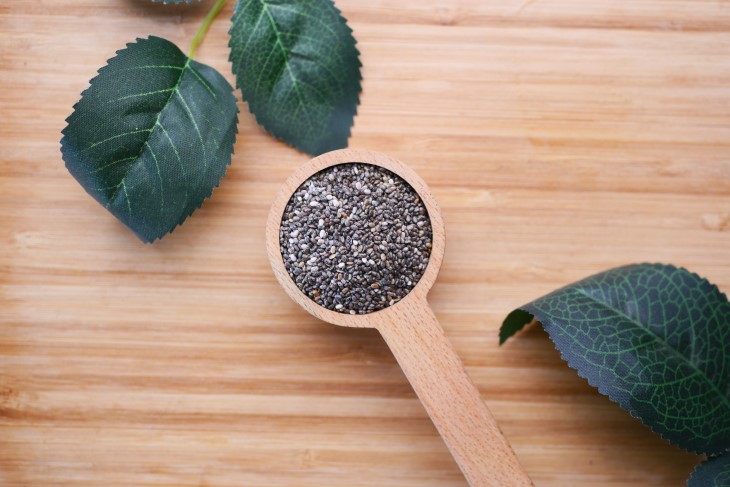 chia seeds
Nutritional Breakdown
"I think of chia seeds and basil seeds as an easy way to increase
dietary fiber, but they also provide protein, omega-3 fatty acids, iron,
calcium and magnesium," says Amy Woodman, RD, founder of Farmington
Valley Nutrition and Wellness in Connecticut.
chia seedsChia Seeds (1 ounce/2 tablespoons):
Calories: 140
Protein: 5g
Fiber: 10g
Carbohydrates: 12g
Fat (primarily ALA omega-3): 9g
Magnesium: 100mg
Iron: 2.2mg
Calcium: 180mg
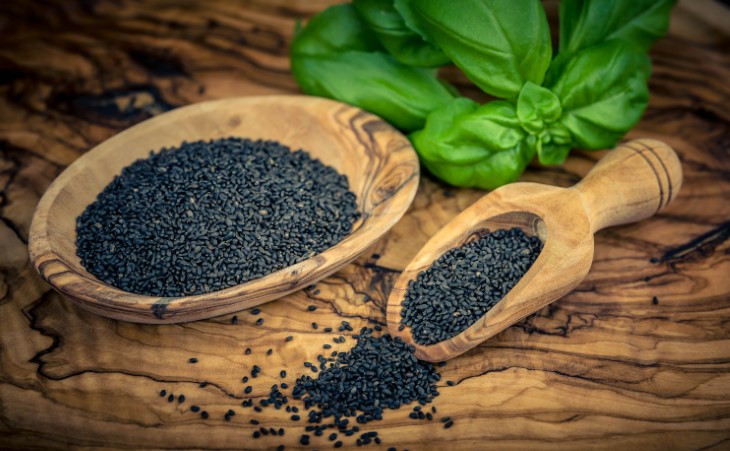 basil seeds
basil seedsBasil Seeds (1 ounce/2 tablespoons):
Calories: 130
Protein: 5g
Fiber: 15g
Carbohydrates: 15g
Fat (primarily ALA omega-3): 6g
Magnesium: 90mg
Iron: 4.7mg
Calcium: 370mg
Health Benefits
Blood Sugar and Digestive Support
"Chia and basil seeds are high in soluble fiber, which absorbs water and
forms a gel in the gut," explains Danielle Rancourt, MS, RD, CSSD, LD, a
registered dietitian and certified sports dietitian. "This slows
digestion, allowing for better glucose absorption and helping you feel
more full."
Regularity and Constipation Relief
The soluble fiber adds bulk to stool, promoting regularity. Important
note: drink plenty of water when consuming high-fiber foods, as
inadequate hydration can worsen constipation.
Soluble fiber in these seeds binds to
cholesterol in the digestive tract, promoting excretion rather than
absorption into the bloodstream. The omega-3 content may reduce
inflammation, benefiting skin health, cardiovascular function, and
digestive conditions like irritable bowel syndrome. Both seeds possess
antimicrobial properties and contain antioxidants and polyphenols that
may protect against cellular damage.
The Verdict
Nutritionally, basil seeds have a slight edge with more fiber (15g vs.
10g), iron (4.7mg vs. 2.2mg), and calcium (370mg vs. 180mg) per serving,
plus fewer calories. Chia seeds counter with higher omega-3 fatty acids
and magnesium.
However, practical considerations matter. "Chia seeds can be found in
most grocery stores and are significantly more affordable," Rancourt
notes. "They're about four times cheaper by weight."
Choose basil seeds if: You're vegan or vegetarian seeking additional
iron and calcium, or want maximum fiber per serving.
Choose chia seeds if: Budget and availability are priorities, or you
want more omega-3s and magnesium.
"Both basil seeds and chia seeds are great for gut health and digestion,
blood sugar regulation and satiety," Rancourt says. "Their high fiber
content is most notable. Both seeds contain protein, fat and fiber,
making it great for weight management."
How to Incorporate Them
Purchase food-grade seeds from grocery
stores, not garden centers. "While the seeds are identical, those
intended for gardening are not packaged for human consumption and may
have higher residual amounts of pesticides," Woodman warns.
Ways to enjoy:
Blend into smoothies
Stir into oatmeal or yogurt
Make pudding by soaking overnight in milk (dairy or plant-based)
Add to salad dressings
Sprinkle on avocado toast
Bake into muffins and breads
Create flavored seed water with a splash of fruit juice
Final Thoughts
Both seeds deliver exceptional nutritional value with fiber, protein,
omega-3 fatty acids, and essential minerals. Whether you choose basil
seeds for their superior fiber and mineral content or chia seeds for
their affordability and accessibility, either option provides
significant health benefits for digestion, cholesterol management,
inflammation reduction, and overall wellness.