Does Vitamin D Slow the Aging Process?
A groundbreaking study involving
researchers from Harvard has found that a common, inexpensive supplement
- vitamin D - may significantly slow down the aging process.
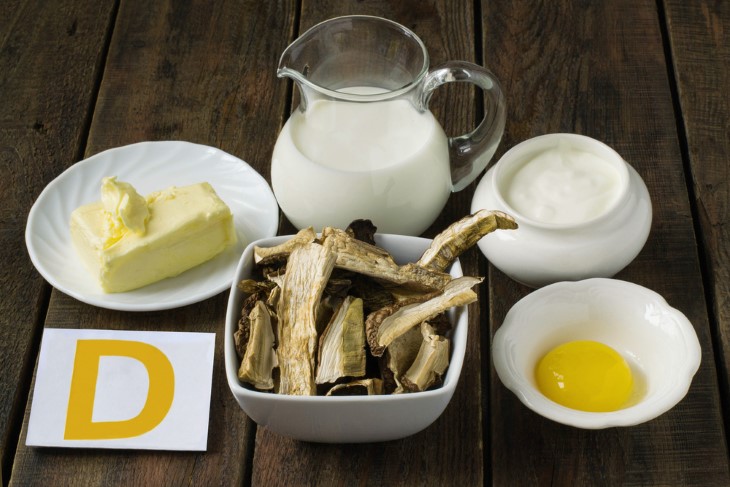
Vitamin D deficiency is widespread, but new
findings suggest that daily supplementation could do more than just
support bone health—it might actually help you age more slowly. The
study, the first of its kind, observed that people who took a daily dose
of vitamin D appeared to age at a noticeably slower pace.
The four-year study focused on participants
who took vitamin D3 daily. Results showed that those who supplemented
with the vitamin experienced significantly less DNA damage—one of the
biological hallmarks of aging—compared to those who took a placebo.
According to the researchers, this could translate into the equivalent
of nearly three fewer years of biological aging.
While the study’s duration was relatively short, researchers described
the results as “promising” and called for longer-term studies to confirm
the findings.
One important detail: participants in the
study took 2,000 International Units (IU) of vitamin D per day—about
three times the generally recommended daily amount. For context, this is
equivalent to the vitamin D found in roughly 100 grams of salmon.
Though this dosage falls within the safe
upper limit of 4,000 IU per day, experts caution that excessive intake
of vitamin D can lead to a dangerous buildup of calcium in the blood.
This condition, known as hypercalcemia, can cause nausea, vomiting, and
even kidney stones.
In short, while the early data looks promising, it’s wise to consult a
healthcare provider before making any changes to your supplement
routine.