SOY- This Is One Of the Most Controversial Foods On the Market
Soy has a bad reputation, as soybeans
contain a substance that can supposedly mimic human female hormones.
Simultaneously, soy products are the most widespread and affordable
replacements for meat and dairy produce, and people following a vegan
and other dairy-free diets can really benefit from this nutrient-rich
source of protein. Furthermore, soybeans might be even beneficial to
people suffering from high cholesterol, infertility and even menopause.
This disparity created quite a lot of controversy surrounding soy, a
significant part of which is ungrounded. This article provides a full
review of both the nutritional value and the health effects of soy and
soy products, which will help you make up your mind on whether or not
consuming soy is right for you.
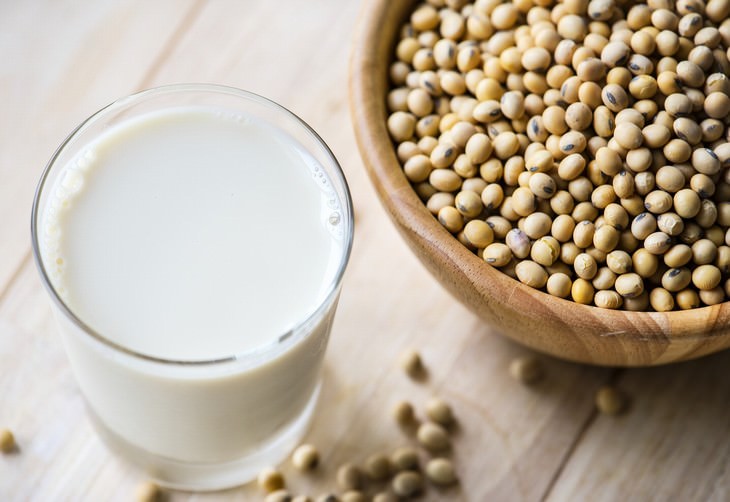
What is soy exactly?
Soybeans are a type of legumes native to
East Asia, being a crucial domestic crop throughout Asia for millennia.
The first mentions of the soya bean, an alternative name of the crop,
are between 7000 and 6600 BC in China, but it is very likely that they
have been in widespread use even before that.
Nutritional Value
Today, soybeans are a staple food
throughout Asia, where they are used to prepare a wide variety of
products, starting from soy milk and soy sauce, to tofu and tempeh,
which are meat alternatives, and even consumed raw in the form of
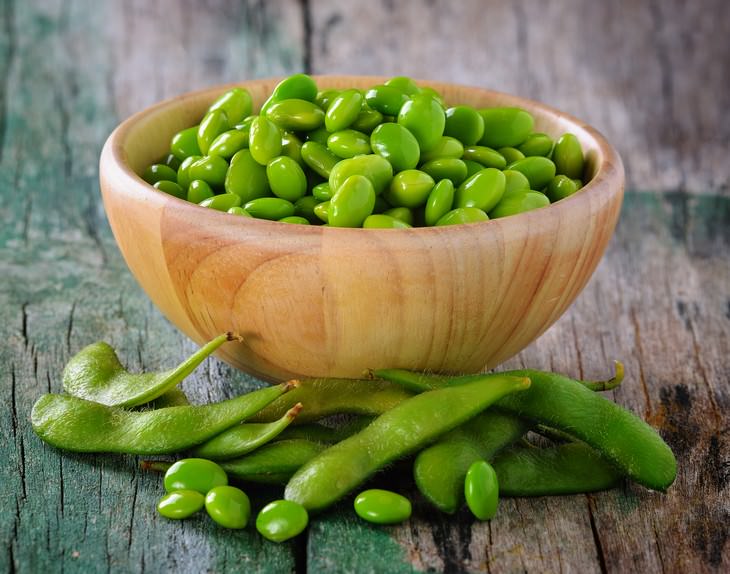
edamame beans, which are immature soybeans commonly used as healthy
snacks (pictured below).
Soy is also a key ingredient in many
protein supplements, vitamins and processed foods. And finally, soybean
meal is widely used to feed livestock. This means that soy products are
more than simply widespread, they are quite challenging to avoid.
Nutritional Value
It is important to start from mentioning
that soy products are some of the most cost-effective alternatives for
both meat and dairy products. Soy products come in a variety of textures
and flavors, such as milks, yogurts, cheeses, and meat substitutes, and
they are usually widely available on the market.
But this is not the only reason why soy
products are a great replacement for animal-derived produce, as they are
also extremely nutrient-dense and provide a lot of protein, which is
often lacking in meat- and dairy-free diets. Soy is a complete protein
source, meaning that it contains all the essential amino acids the human
body doesn’t produce.
Apart from that, soy is a good source for
healthy fats, especially omega-3 fats. Finally, it contains a type of
phytoestrogens called isoflavones that can also be beneficial to health.
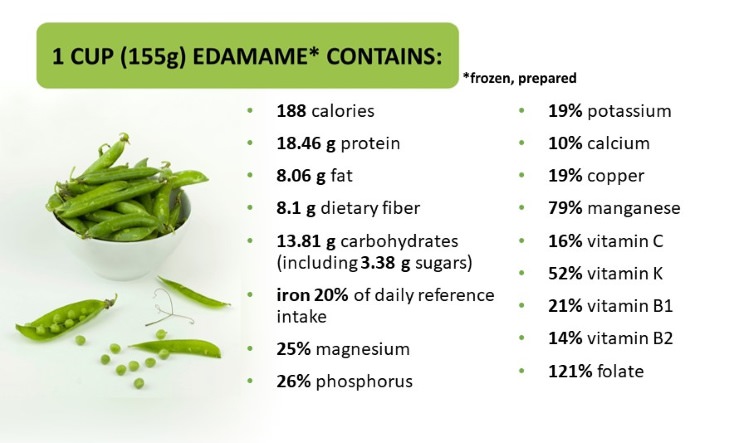
For your reference, the table above illustrates the nutritional content
of one type of soy, edamame beans, but the overall nutritional value of
other soy products will be similar.
Apart from being a great source of
nutrients, however, soy can also be beneficial for those suffering from
certain conditions, but it can also be possibly worse for others.
1. Decreasing cholesterol levels
1. Decreasing cholesterol levels
There is an extensive body of research
suggesting that soy foods (but not soy supplements) may help lower the
levels of bad cholesterol (LDL) and increase the levels of the good
(HDL) cholesterol, especially among individuals who have higher than
normal cholesterol levels.
A review study suggested that consuming
only 47 grams of soy daily was associated with a 13% decrease in LDL
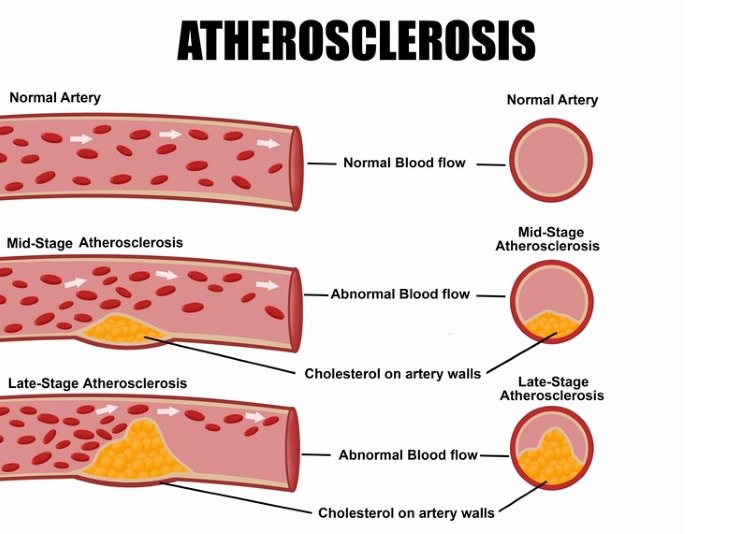
cholesterol. This means that eating soy products can help stop the
progression of atherosclerosis, as bad cholesterol is responsible for
creating plaques in blood vessels, whereas HDL cholesterol helps clear
those up.
2. Helps relieve Menopause Symptoms
During menopause, women experience a range
of uncomfortable symptoms (hot flashes, sleep problems, urinary
symptoms, etc.) brought about by the shortage of female hormones called
estrogens in the blood. Soy contains a type of phytoestrogens called
isoflavones that can mimic the effect of human estrogens.
However, soy foods contain quite low levels
of isoflavones, so in order to see a difference in symptoms, studies
gave soy supplements to women and found that they, in fact, can be
converted into estradiol (a type of estrogen) and partly compensate for
the lack of estrogens observed in menopausal women.
A review article found that taking 54 mg of
soy isoflavone supplements during a period of 3 months decreased hot
flashes by over 20% and weakened all the symptoms by over 25%.
3. Improves fertility in women
Women who have difficulty conceiving or are
currently undergoing a fertility treatment may benefit from soy. In a
study, women who took 6g of soybean powder daily for a period of 6
months experienced more ovulations and an overall normalization of their
menstrual cycles. On top of that, other studies suggest that soy
supplements help women undergoing in vitro fertilization (IVF) get
pregnant.
4. The influence of male sex hormones
Since soy contains phytoestrogens, men are
sometimes afraid to include soy in their diet, claiming it may lower
their testosterone levels. This is a crucial issue, as many protein
powders and supplements advertised to promote muscle growth are
soy-based, and if soy can affect the hormone balance in men, it may
render these supplements worthless or harmful.

However, a review of 15 studies showed that
it is completely safe for men to consume soy foods, protein powders up
to 70g per day, and even isoflavone supplements up to 240 mg daily. In
addition, there is even scientific evidence suggesting that soy can
potentially lower the risk of developing prostate cancer, so not only is
soy safe to eat in moderation, but it may even be beneficial for men.
5. Decreases the likelihood of developing Breast Cancer
The evidence about soy and breast cancer is
very conflicting, as there is a large and growing body of evidence from
Asian studies suggesting that a higher soy intake may decrease the
likelihood of developing breast cancer, whereas the Western studies did
not find any link between breast cancer and foods containing soy.
Scientists believe that this might be due
to the fact than in Asian countries, people usually consume more
fermented soy products compared to Western countries, and it may be the
case that fermented soy foods has more cancer-fighting properties than
regular ones.
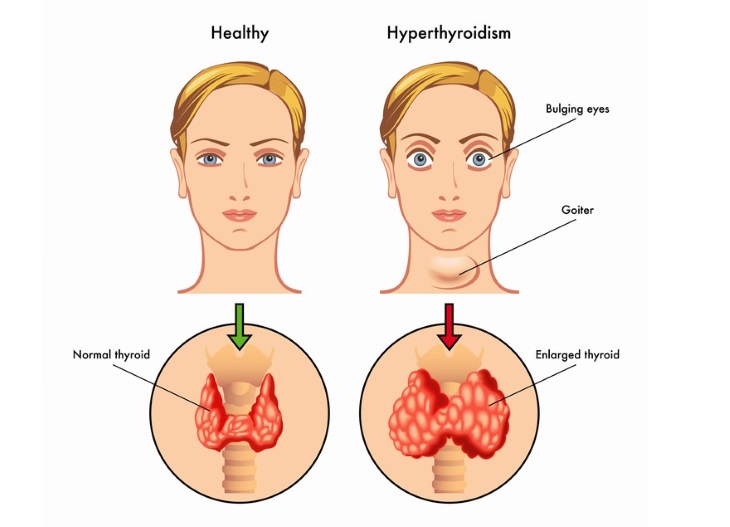
6. The effect on Thyroid Function
One of the most controversial findings
regarding soy is that a test-tube study reported that goitrogens,
compounds found in soy, may have a negative effect on the thyroid. Human
studies did not confirm this finding and suggested that individuals
with an enlarged thyroid do not have to avoid soy products as long as
they’re meeting their daily nutritional needs in iodine.
In summary, consuming soy products in
moderation is not only safe, but also very beneficial to everyone, and
especially for those who follow a meat- and dairy-free diet. What’s
more, consuming soy products may even be beneficial at decreasing
cholesterol levels, improving fertility, relieving menopausal symptoms
and lowering the risk of developing certain cancers.
This is only for your information, kindly take the advice of your doctor for medicines, exercises and so on.
https://gscrochetdesigns.blogspot.com. one can see my crochet creations
https://gseasyrecipes.blogspot.com. feel free to view for easy, simple and healthy recipes
https://kneereplacement-stickclub.blogspot.com. for info on knee replacement
https://GSiyers home remedies.blogspot.com is the latest addition to my blogs
Labels: B2, C, calcium, decreases LDL, decreases risk of breast cancer, dietary fiber, edamame, folate, healthy, improves fertility in women, magnesium, protein, relieve menopause symptoms, soy, thyroid, Vit. B1
posted by G S Iyer at 11:13 PM


0 Comments:
Post a Comment
<< Home