People Overlook Hand Numbness, But It’s a Serious Symptom
Most people associate hand numbness with
carpal tunnel syndrome, and it is certainly true that this symptom is
one of the manifestations of this disease. However, this
seemingly-harmless symptom can actually point to various, often very
dangerous, diseases. Sometimes, hand numbness can even be an early sign
of a medical emergency. Therefore, it is certainly useful to know the
less-known causes of hand numbness, which is what we discuss in this
article.
1. Diabetic Neuropathy

1. Diabetic Neuropathy
This is a type of nerve damage that occurs
in some patients suffering from diabetes. High blood glucose levels can
damage nerves throughout the body, but, most often, it affects nerves in
the extremities.
Nerve damage manifests itself in the form
of tingling, loss of sensation and control, pain and numbness in the
hands and feet. Diabetic neuropathy is considered a serious complication
of diabetes and, in severe and untreated forms, it can even require
amputation.
Luckily, a regular maintenance of blood sugar levels can usually prevent
the development of diabetic neuropathy completely.
2. Brachial Plexus Injury
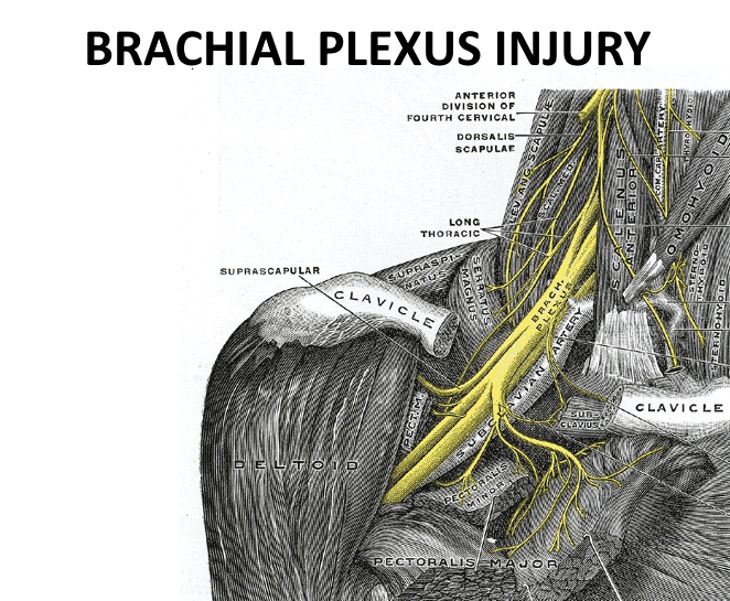
Hand numbness may indicate an injury of a
set of nerves in your shoulder called the brachial plexus. These nerves
(pictured below) connect your spinal cord to your shoulder, arm and
hand, and an injury in one of these nerves can be quite disabling.
Brachial plexus injuries are more common than you might think:
They are known as stingers or burners in the sports world, and contact sports athletes get them a lot.
Babies can suffer from an injured brachial plexus during birth.
Inflammation and tumours too, compress and disturb the brachial plexus
These injuries usually heal completely or
in part, but it takes time and avoidance of further damage, though
sensation in some parts of the arm and hand may never fully recover.
3. Vitamin B 12 deficiency
Something as trivial as a vitamin B12 deficiency can cause peripheral neuropathy, a nerve damage in your extremities.

We have written about the health benefits
of B12, of which there are many, but a lack of this essential vitamin in
our daily intake can lead to pernicious anemia, which affects the
functioning of neurons, usually starting from the extremities.
5. Lyme disease


This is only one symptom of the deficiency, others include:
headaches
headaches
shortness of breath
fatigue
a bright red smooth tongue.
Vitamin B12 deficiency is a serious chronic condition that, in most cases, can be easily treated with supplements.
4. Ganglion Cysts
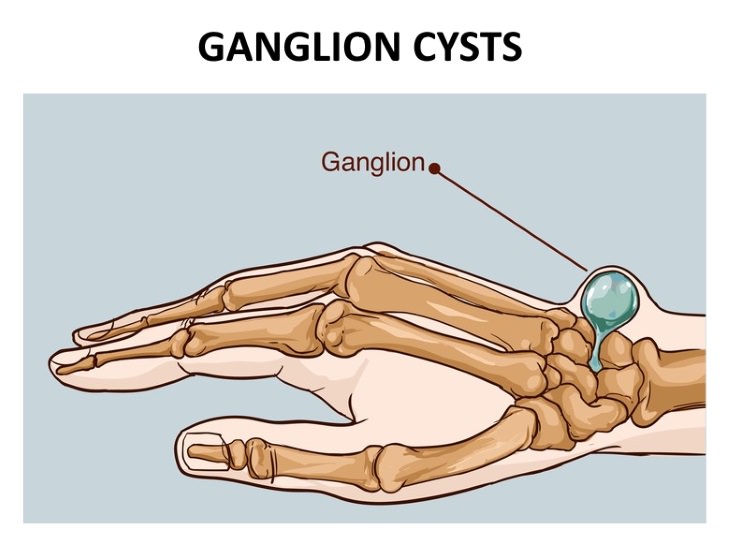
These non cancerous tumors can develop
along the joints of your wrists and hands, as well as ankles and feet,
although it is fairly rare. These cysts vary in size, and they feel like
a bead filled with fluid.
Depending on their size and location, they
can press on the nerve and interfere with movement. This can be painful,
and can cause numbness in the hand, which likely means that the cyst
will have to be removed or drained by a professional.
5. Lyme disease
Let us just mention that this medical condition is transmitted to humans through tick bites.
Lyme disease is on the rise worldwide, and
it is dangerous because many people don’t even suspect they have it
until it’s too late, as it can cause severe nerve damage and heart
problems.
Still, if you catch the disease early,
patients can recover completely. Numbness in the hands can be a sign of
developing Lyme disease.
6. Raynaud's disease
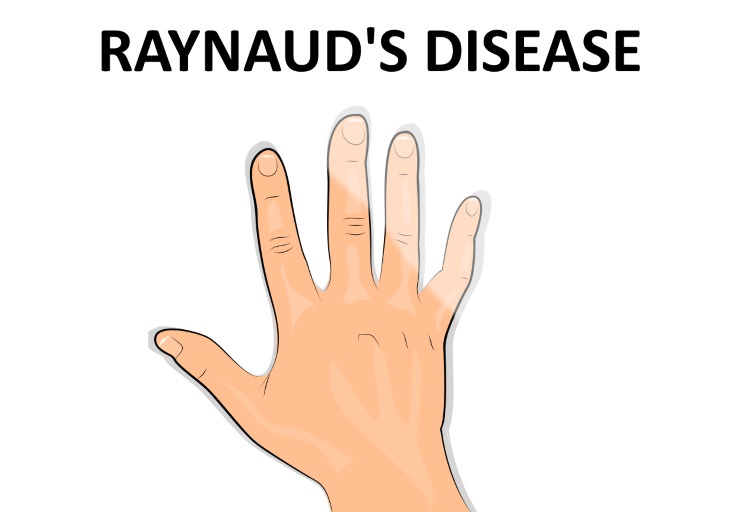
To put it simply, patients with Raynaud’s
syndrome can suddenly have very poor blood circulation in the hands. The
cause varies from person to person, with anything from cold
temperatures to stress being capable of causing an episode.
During an episode, a person fingers (or
toes) suddenly turns white. After a few minutes, the person loses
sensation in the area and the affected region turns blue and cold, and
numb, which means that the blood circulation was cut off from that area.
Mild episodes subside on their own, but
more severe cases can be dangerous if not treated, as the tissues in the
affected area may start deteriorating and amputation may be necessary
to prevent further damage of the healthy tissue.
7. Multiple Sclerosis
You have nothing to fear if you experience
numbness or weakness in the hands after a long day of typing or work
that requires a lot of small motor movements, but recurring numbness is
never a good sign.
If you find that regular hand numbness and
weakness is accompanied by tremors, migraines, a lack of coordination
and confusion, you have to see a doctor, as it may indicate MS.

Unfortunately, this disease is still
incurable, but doctors learned to manage the progression of the
symptoms, which can really improve the quality of life of MS sufferers.
8. Cervical Disk Degeneration
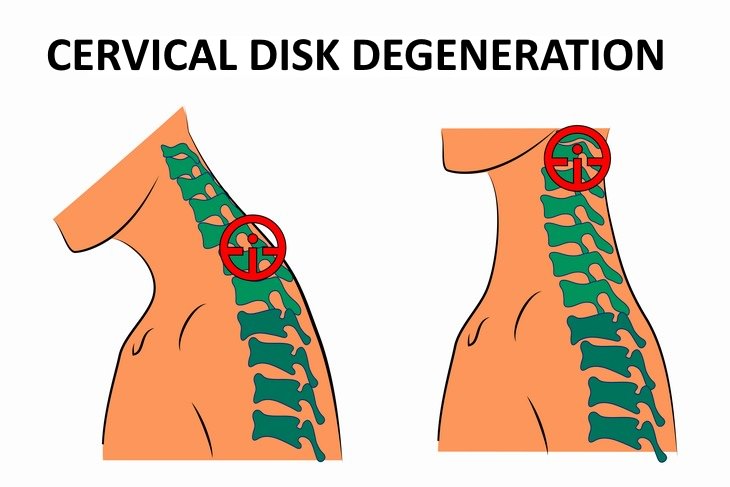
With age, the cartilage disks that prevent
our vertebrae from rubbing and affecting each other wear down. These
disks are made of a gel-like substance, which gradually lose water and
do a worse job at preventing friction and trauma of the nerves.
This process is called disk degeneration,
and the disease linked to it is called degenerative disc disease. Among
the symptoms of this disease in the cervical area are radiating pain in
the arm, as well as loss of sensation in the hands.
Factors like smoking, lack of exercise,
obesity and genetic predisposition can make the disks wear down faster,
with people as young as 20 now experiencing the first signs, according
to some sources.
9. Paraneoplastic Syndrome
Admittedly not very common, these syndromes
are a side-effect of fighting cancer. Paraneoplastic syndromes can
affect any system, but it most commonly attacks the nervous system.
In these cases, your immune system attacks
any nerve in the nervous system, the brain, or the spinal cord, but it
commonly affects peripheral nerves and causes neuropathic symptoms,
among which is loss of sensation. With time, the symptoms may improve,
but some patients experience residual effects.
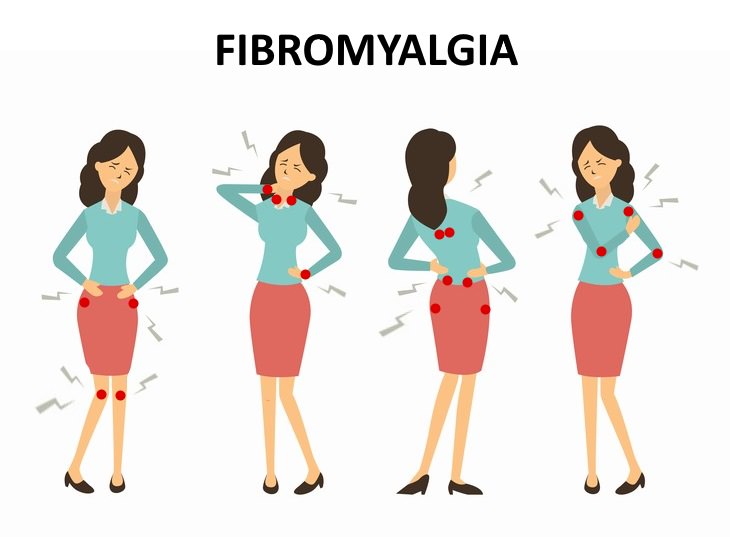
10. Fibromyalgia
Fibromyalgia is a difficult condition to
live with or treat, as the causes are unknown, though professionals
believe that both psychological and biological factors may influence the
progression of the disease. It is also more common in women than in
men.
Most known for the tender points, which
cause constant pain to the patient (shown in the picture above), this
condition has many other manifestations, with the symptoms following
being just a few common ones:
hand numbness
hand numbness
fatigue
restlessness
trouble falling asleep
anxiety
depression
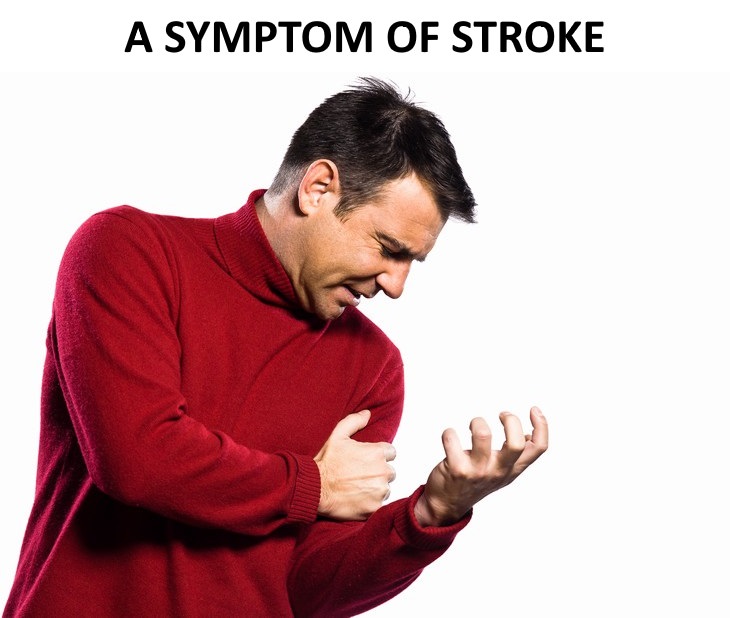
11. Stroke
One of the early signs of stroke can be
sudden-onset hand numbness, often accompanied by the inability to lift
the affected hand.
It also needs to be noted that usually
affects only one side of the body.
The possibility of stroke is a medical emergency, and if you experience
these symptoms, along with other stroke symptoms, which you can learn to
identify here, don’t hesitate and go to the emergency room.
The earlier you get a treatment, the more likely you are to recover
without any major disability.
Disclaimer: If you experience recurring
hand numbness, please turn to your doctor, who will be able to diagnose
you. The facts in this article are provided for informative purposes
only.
This is only for your information, kindly take the advice of your doctor for medicines, exercises and so on.
https://gscrochetdesigns.blogspot.com. one can see my crochet creations
https://gseasyrecipes.blogspot.com. feel free to view for easy, simple and healthy recipes
https://kneereplacement-stickclub.blogspot.com. for info on knee replacement
https://GSiyers home remedies.blogspot.com is the latest addition to my blogs
Labels: Brachial plexus injury, cervical disk degeneration, fibromyalgia, ganglion cysts, hand numbness, Lyme disease, multiple sclerosis, Paraneoplastic syndrome, Raynaud's disease, stroke, Vit. B 12 deficiency
posted by G S Iyer at 9:51 AM


0 Comments:
Post a Comment
<< Home