Suffer From Constipation? Consider Chicory Root
The Cichorium plant is divided into two species: one is widely known as endive (Cichorium endivia) and the other as chicory (Cichorium pumilum). We only consume the leaves of the endive, but in the case of the chicory plant, we can also eat the root. And as with every root vegetable, its nutritional profile is high in fiber and nutrients. Let's see what makes the chicory root stand out from other root vegetables.
A Photo of Endives (Cichorium endivia)
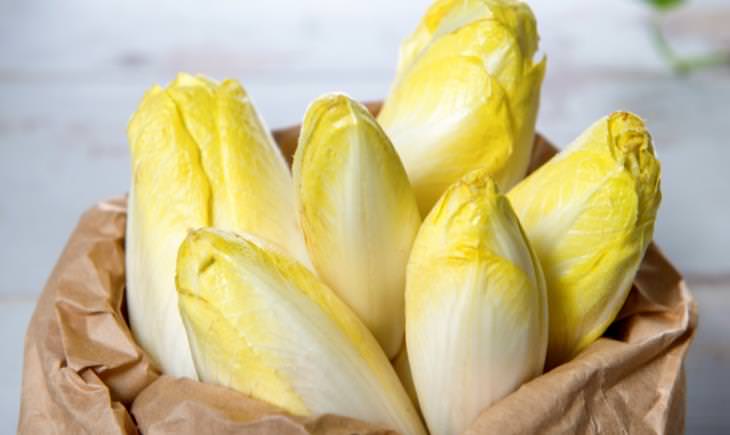
In this article, we shall examine the
nutritional profile of the Chicory plant, as seen in the picture below.
We will provide recipes with endives at the end of the article.
Chicory Plant (Cichorium pumilum)
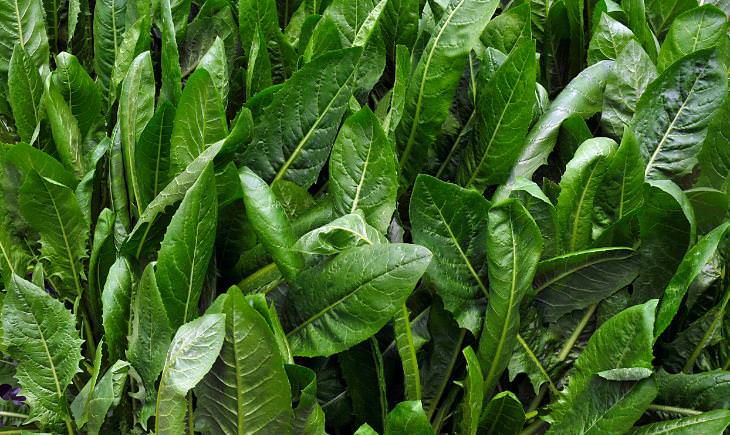
As mentioned in the introduction, the parts
you eat are the leaves and the root. You can boil, roast, or steam
them, although you may prefer to only boil the roots specifically.
Endives, on the other hand, can be eaten raw or cooked. Unlike endives,
the chicory plant (Cichorium pumilum) grows lovely blue flowers. Here's a
summary of its nutritional profile according to Healthline:
Each chicory root ( around 60 g) contains
calories: 44
Protein: 0.8 g
Carbs: 10.5 g
Fat: 0.1 g
Fiber: 0.9 g.
In addition, chicory root contains
manganese, vitamin B6, potassium, vitamin C, phosphorus, and folate.
These are present in pretty low amounts, but when consumed daily in a
brewed drink, the values add up. Chicory is also a good source of fiber
and inulin, which is responsible for most of its health benefits. Inulin
is a potent prebiotic (meaning, it feeds good microbes in your
microbiome), and it contributes to a healthy digestion of carbohydrates.
As a result, inulin helps lower blood sugar levels. It is also
abundantly found in Jerusalem artichokes, onions, garlic, and leeks.
Chicory Coffee
Chicory root has been used for over 2
centuries as a coffee substitute. It was discovered when coffee supplies
were low and people discovered that it has a very similar taste to
coffee. The preparation process is alike as well: the chicory root is
minced, roasted, and brewed into coffee.
Today, chicory root is used to help reduce
caffeine intake. You can either make a 100% chicory drink or dilute your
coffee with some chicory to make a low-caffeine beverage. Two
tablespoons of chicory powder make 1 cup o' joe. The taste, while
similar to coffee, has an added woodsy and nutty flavor.
Meals that are prepared with the leaves and
roots of the chicory plant will help slow down digestion, keeping you
full for longer, thus helping with weight loss. Diabetics will also
benefit from incorporating it into their diet, as it aids in lowering
blood sugar levels. Finally, chicory can help with lowering cholesterol.