6 Ways to Stretch Your Gluteus Medius
The gluteus medius, which makes up the
upper and side part of your buttocks, plays a crucial role in hip
movement and overall lower body function. Stretching this muscle can
help prevent injury and relieve pain in your lower back, knees, and
hips.
As one of your hip abductors - the muscles
responsible for moving your leg away from your body - the gluteus medius
benefits significantly from regular stretching. Proper stretching can
help loosen tight hips, increase range of motion, and strengthen the hip
area.
Before You Begin: The Importance of Warming Up
Before performing any static stretches, it's essential to warm up your
muscles, especially if they feel tight. A stretching session can put
considerable strain on your muscles, and without proper warm-up, the
risk of injury increases. You'll also find it easier to go deeper into
stretches when your muscles are warmed up.
Warm-up suggestions:
Light cardio exercises such as walking, jogging, or jumping jacks
Dynamic hip exercises to improve blood flow to the area
When performing stretches, remember to relax your muscles and focus on
your breathing. This helps relieve tension in your body and allows you
to deepen the stretches safely.
6 Stretches for the Gluteus Medius
1. Pigeon Pose
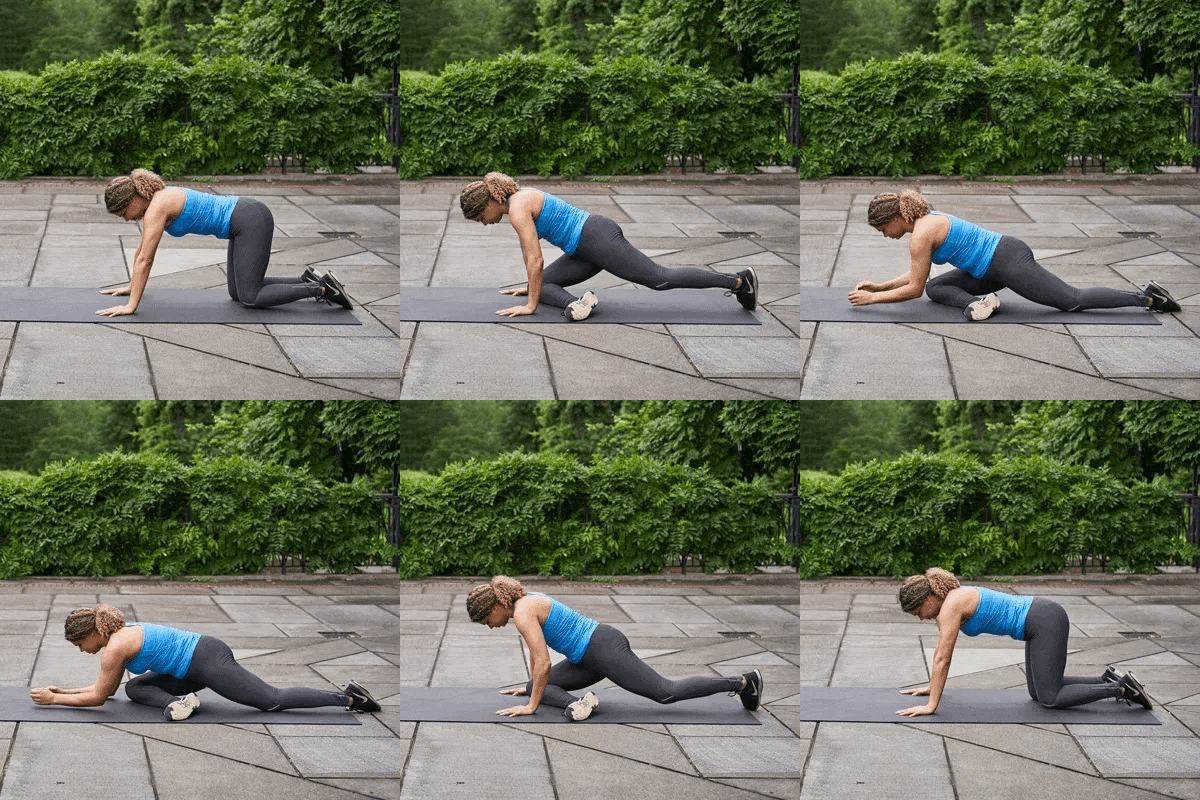
The Pigeon Pose is a popular yoga posture
that engages the hip flexor muscles while stretching the gluteus medius.
How to do it:
Kneel on the ground with your hands below your shoulders and hips
below your knees
Bring your right knee to a 90-degree position in front of your body,
next to your right wrist
Straighten your left leg toward the back of your body
Slowly lean your torso forward toward your front leg and rest your
forearms on the ground (or sit upright for a more comfortable variation)
Hold for 30 seconds, then repeat on the other side
Perform 3 sets on each side
2. Seated Glute Stretch
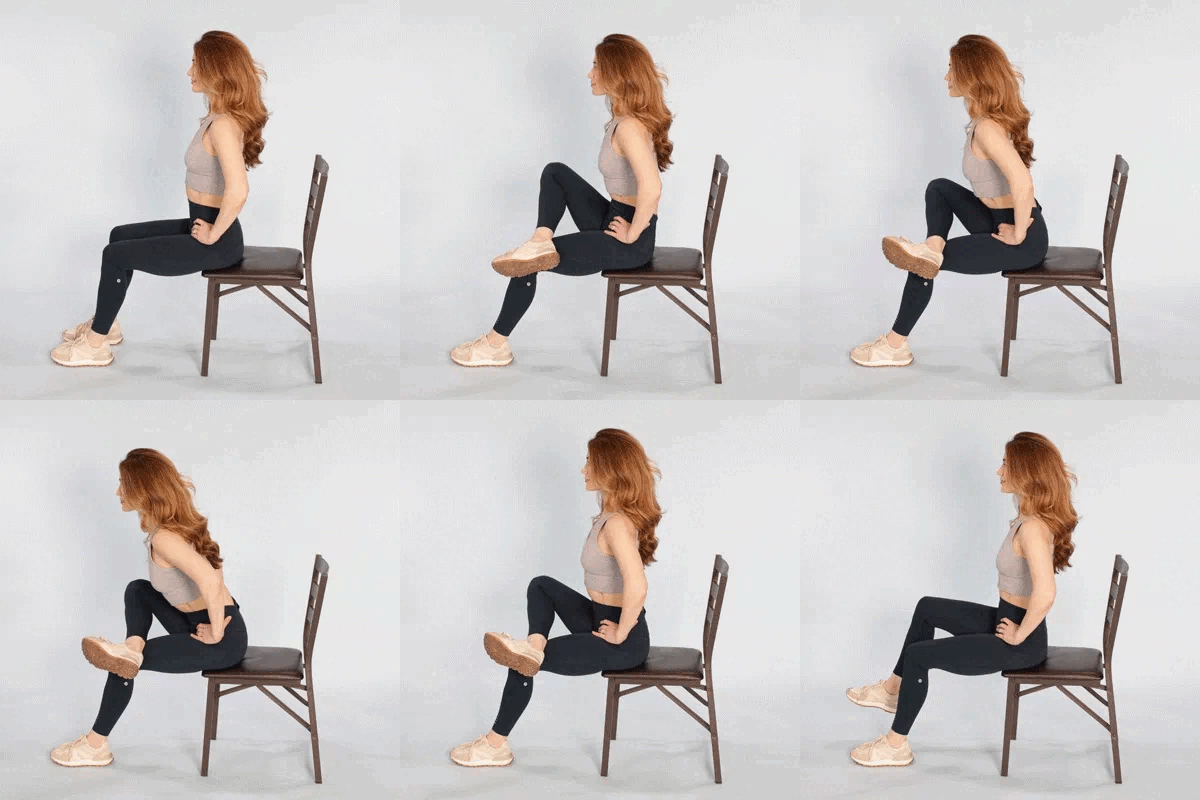
This versatile stretch has many variations,
with the chair-seated version being most common as it allows you to
adjust height and depth.
How to do it:
Sit upright with a neutral spine and hands on your hips
Cross your right leg over your left, resting the ankle over the area
between the knee and quad muscle
Slowly lean your torso forward to a comfortable position (you should
feel the stretch in your right glute)
Hold for 3 to 5 seconds, then rise back up
Release your leg and repeat on the other side
Perform 8 to 10 reps on each side, 3 times daily
3. Supine Glute Stretch
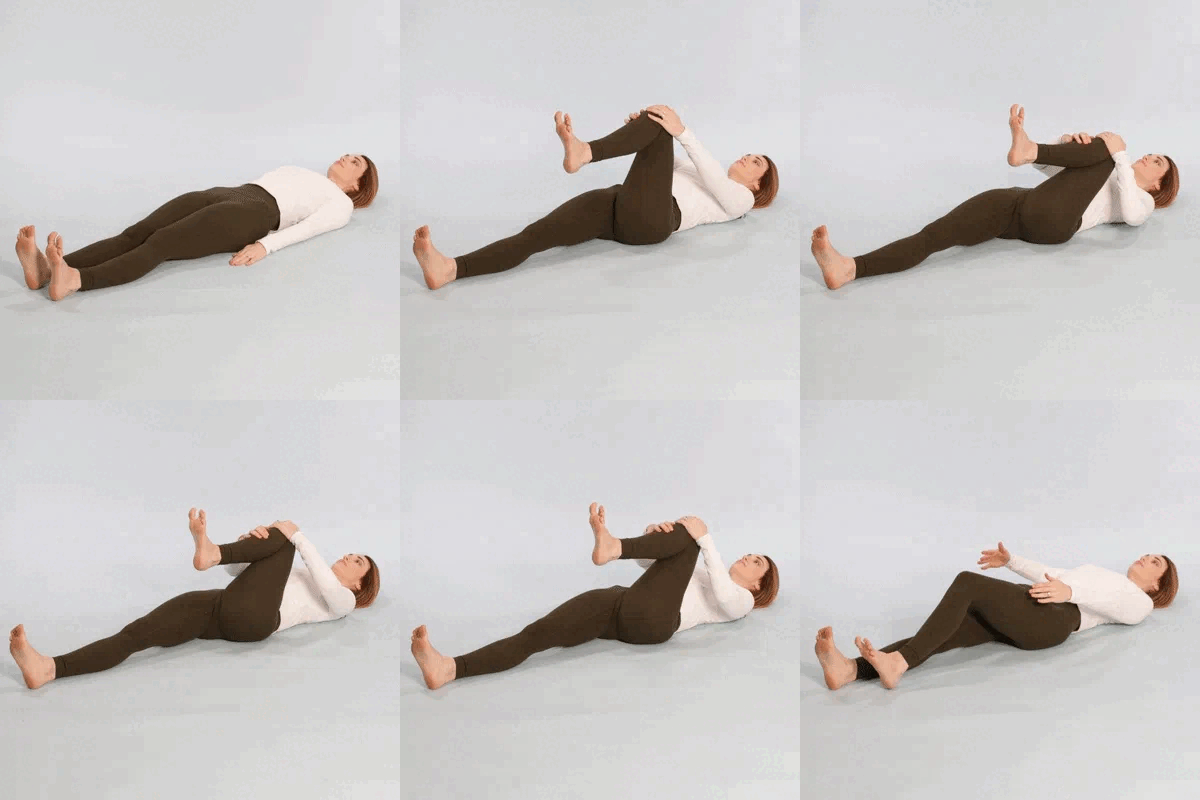
The supine (lying down) glute stretch is
ideal for targeting the glute muscles and hip abductors. It's an
excellent alternative if the Pigeon Pose causes knee discomfort or if
you have very tight hips.
How to do it:
Lie on your back with arms by your side and legs straight
Bring your left leg up toward your stomach and wrap your hands
around the knee
Pull the knee toward your chest, feeling a deep stretch in your left
glute
Rotate slightly right and left to deepen the stretch
Release the knee and straighten your leg
Perform 10 reps on each leg, 3 times daily
4. Seated Spinal Twist
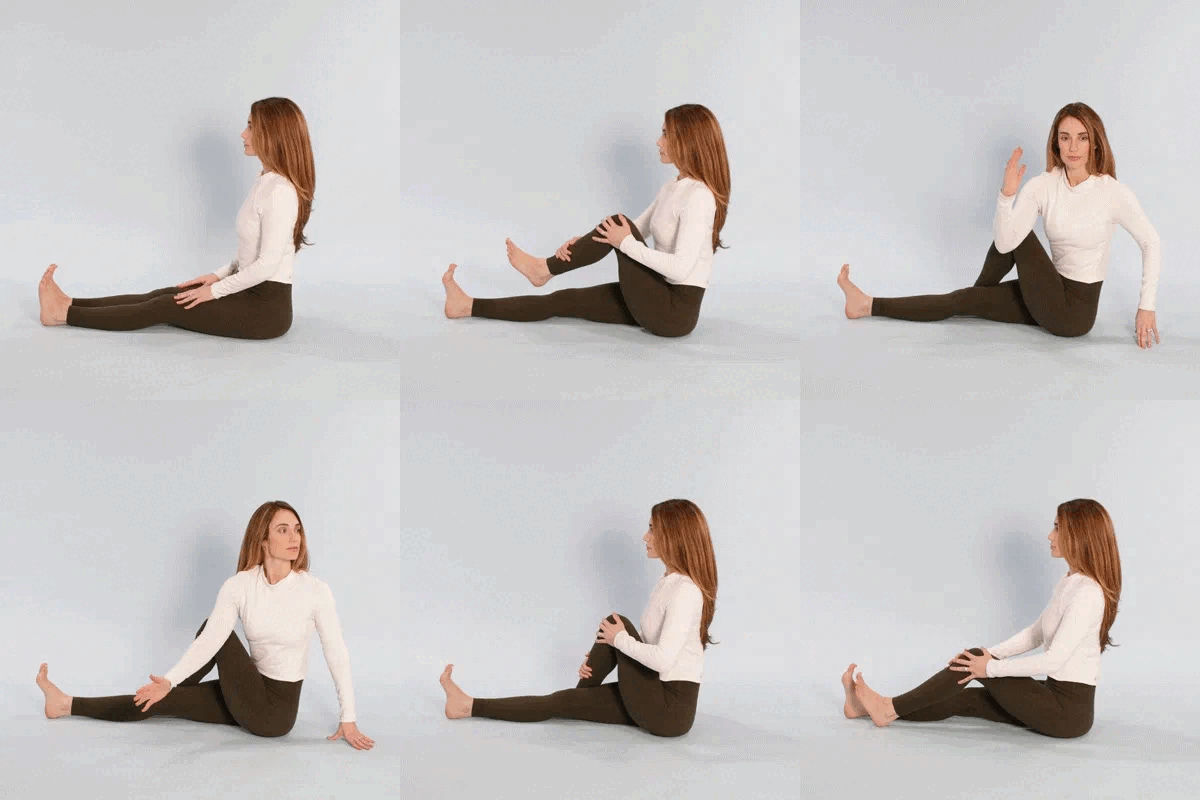
The seated spinal twist stretches the muscles in your glutes, hips, and back - all of which are interconnected.
How to do it:
Sit on the floor with legs outstretched
Bend your left knee and bring it over the right leg, planting the foot beside the right knee
Twist your upper body to the left, placing your right elbow on the left side of the bent knee
Plant your left hand on the ground behind you and look in that direction
Hold for 5 to 10 seconds, then slowly twist back to center and straighten your legs
Perform 10 repetitions, then repeat on the other side
Complete 3 sets on each side daily
5. Kneeling side bend
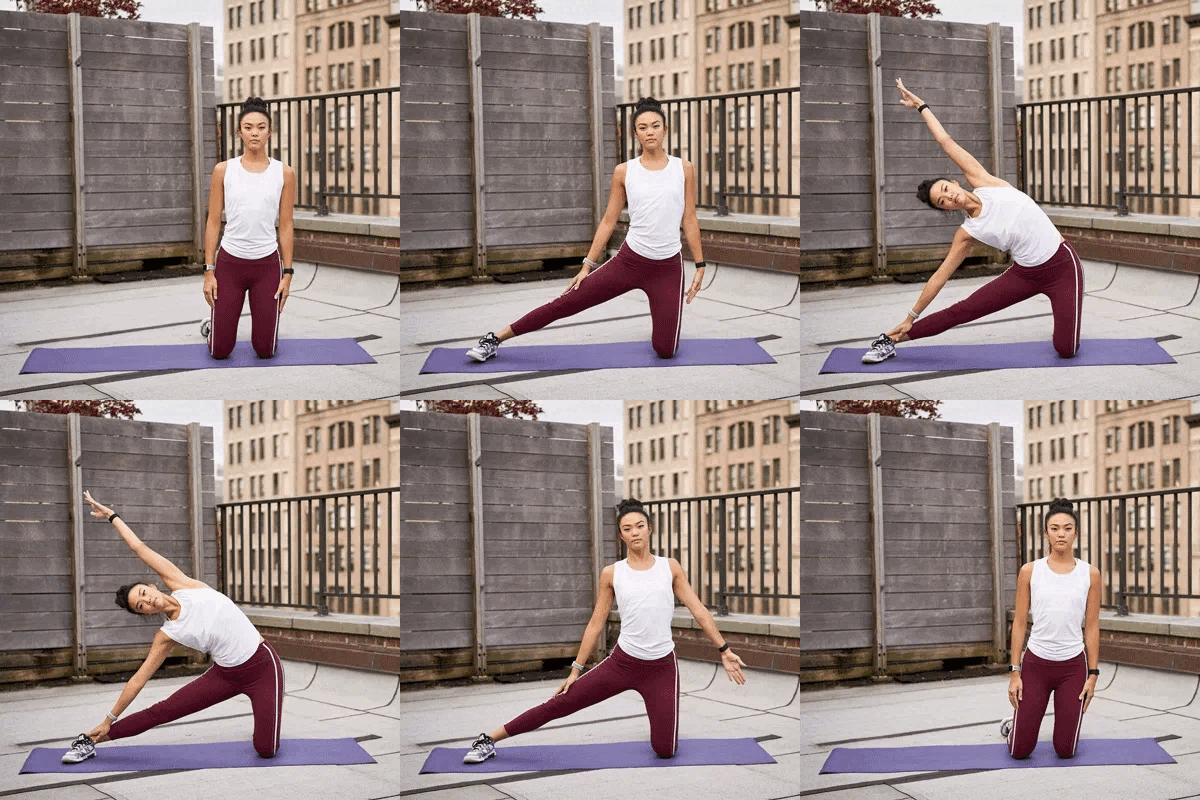
The kneeling side bend stretches the entire
side of your upper body, from the gluteus medius up through the back,
shoulders, and arms.
How to do it:
Kneel on both knees and extend your right leg straight out to the
side
Raise your left arm toward the ceiling, then bend over the
outstretched leg
Glide your right arm down the right leg for support and arch the
left arm high, bringing it over to the right side (you should feel a
deep stretch up the left side of your body)
Hold for 5 to 10 seconds, then return to center
Repeat 5 times on each side, 3 times daily
6. Foam Rolling for Glutes
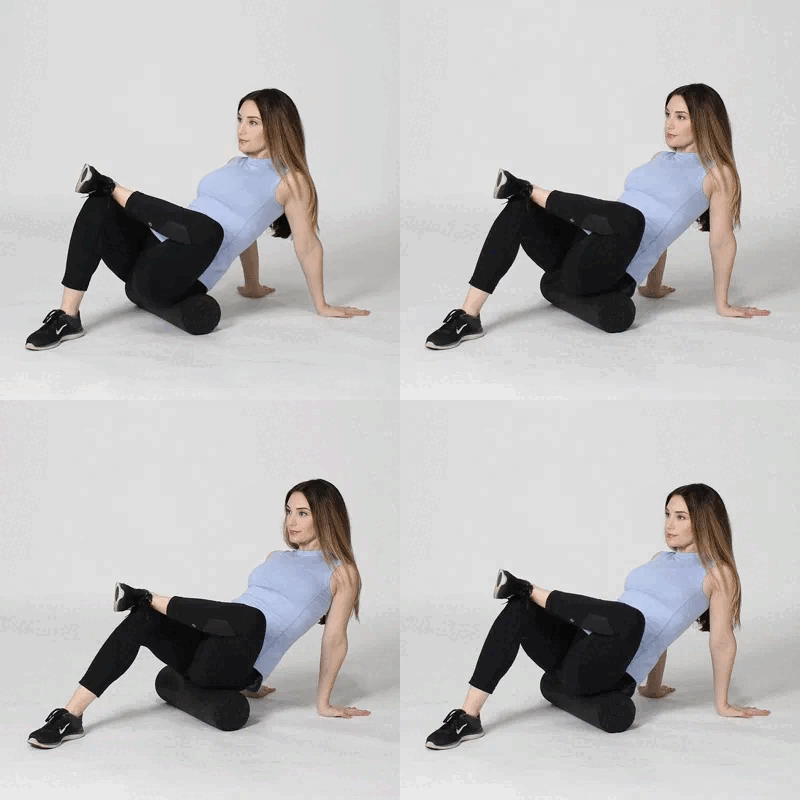
Foam rollers are exercise tools that can
help loosen tight muscles. Use them before your stretching routine to
warm up muscles, or afterward to support muscle recovery.
How to do it:
Sit on a foam roller with your hands planted behind you for support
and knees bent at 90 degrees
To target the left gluteus medius, raise your left leg and place the
outside of the ankle on your right knee
Rotate your lower body slightly to the side and upper part of your
glute
Roll back and forth 10 times, breathing through the movement
Repeat on the other side
Perform 3 sets on each side daily
When to See a Doctor
In most cases, tight hip abductors and glute muscles can be managed
through exercises, stretches, and foam rolling. However, you should
consider consulting a primary care doctor if you experience:
Persistent glute and hip pain that affects your daily activities
Symptoms that may indicate an underlying health condition, such as
arthritis
A physical therapist can also help develop a stretching plan tailored to
your individual needs and ensure you're performing exercises correctly.
The Bottom Line
Your glutes are among the most important muscle groups in your body,
involved in essential activities like walking and running. Regular
stretching of the gluteus medius makes an excellent addition to any
cooldown routine, helping to loosen tight hips, improve range of motion,
and reduce chronic back pain.
Important reminder: Don't stretch your body too hard or too fast. Doing
so could lead to injury. Listen to your body, warm up properly, and
progress gradually for the best results.