These fruits can keep you better hydrated than water in the summer
When temperatures spike, hydration becomes critical. But drinking more water is only part of the equation. What many people miss is that the body does not just need fluids. It needs the right balance of electrolytes and nutrients to actually retain that fluid.
As health experts point out, hydration is not just about intake but absorption. The body requires minerals like potassium and sodium to maintain fluid balance, especially in extreme heat.
This is where fruits come in. Water-rich fruits do more than quench thirst. They combine high fluid content with vitamins, natural sugars and electrolytes, helping the body absorb and hold on to hydration more efficiently than plain water alone. According to nutrition research, many fruits contain upwards of 85–90% water, contributing significantly to daily hydration needs.
Watermelon: More than just water
Watermelon is made up of about 91% water, making it one of the most hydrating foods available.
But its benefits go beyond that. It also contains potassium, magnesium and antioxidants like lycopene, which support fluid balance and reduce heat-related stress on the body.
Cucumber: The underrated hydrator
)
Often overlooked, cucumber is nearly 95–96% water, one of the highest among commonly consumed produce.
Its high water content, combined with minerals like potassium, makes it particularly effective during peak summer when dehydration risk is high.
Strawberries: Hydration with nutrients
Strawberries are about 90–91% water and are also rich in vitamin C and antioxidants.
This combination helps not just with hydration but also with reducing inflammation and supporting overall immunity.
Oranges: Electrolytes matter
Oranges offer hydration with an added advantage — electrolytes. With high potassium content and significant water volume, they help replenish what the body loses through sweat.
This makes them particularly useful in hot climates where electrolyte imbalance is common.
Cantaloupe and muskmelon: Summer staples for a reason
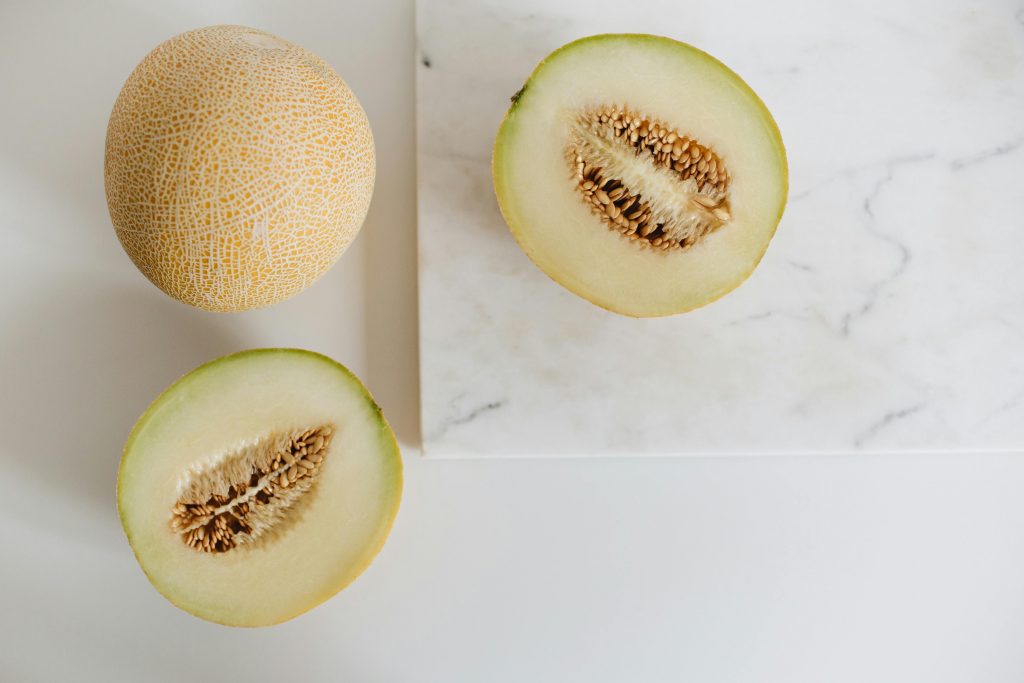)
With roughly 90 per cent water content, melons are both cooling and nutrient-dense. They also provide vitamin A and vitamin C, supporting immune function while keeping the body hydrated.
Why fruits can outperform plain water
The idea that fruits can “hydrate better than water” is not entirely literal — water remains essential. But experts say foods rich in water, fibre and electrolytes help the body retain fluids longer.
Fruits deliver hydration in a more sustained way because they combine fluid with nutrients. In contrast, drinking large amounts of water alone can sometimes lead to quicker excretion, especially if electrolyte levels are low.
At the same time, nutrition experts caution that fruits should complement, not replace, water intake, contributing to overall hydration alongside fluids.