Tuesday, September 30, 2025

Chia Seeds Side Effects: These People Must Avoid Them At All Costs, Doctors Warn
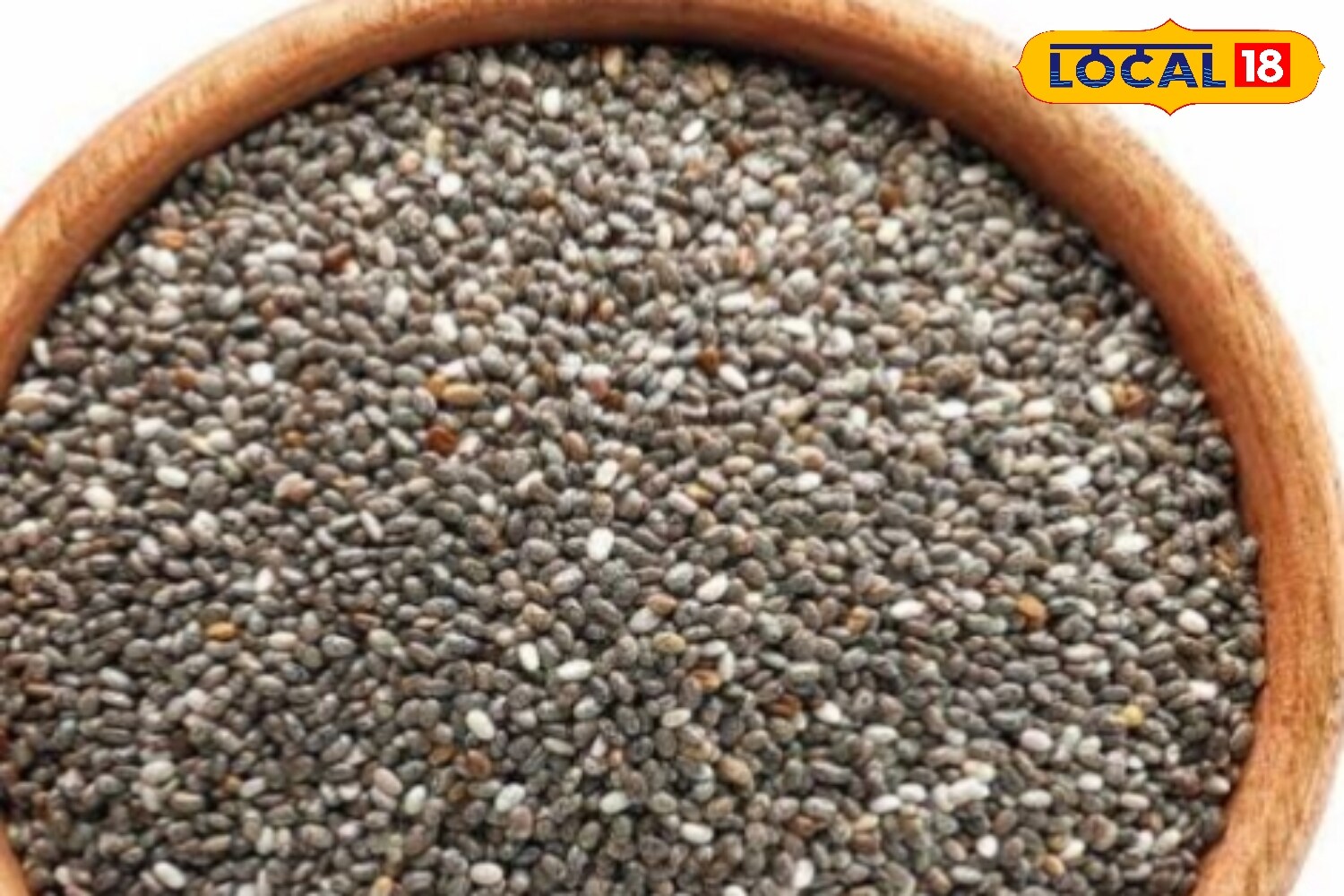
 चिया सीड्स 

Chia seeds, often hailed as a "superfood", have become a staple in the diets of health-conscious individuals worldwide. Rich in fibre, omega-3 fatty acids, and minerals, they are widely promoted for aiding weight management, controlling blood sugar, and supporting heart health. However, nutritionists caution that these tiny seeds may not suit everyone. In some cases, their consumption can trigger complications serious enough to warrant medical attention.  

 Medical experts underline four categories of people who should approach chia seeds with care, or avoid them entirely. Those on blood-thinning drugs or medication for high blood pressure are at particular risk. "Chia seeds contain high levels of omega-3 fatty acids, which can further thin the blood," warn health professionals. This can result in excessive bleeding or a dangerous drop in blood pressure if combined with prescribed medication. 

While chia seeds are valued for their high fibre content, they may cause bloating, constipation, or abdominal pain in those with sensitive digestive systems. Doctors recommend moderation or avoidance for anyone with a history of gastrointestinal problems.

 Expectant and nursing mothers are advised not to introduce chia seeds into their diets without prior consultation with a doctor. Nutritional requirements during these phases are unique, and introducing new foods without guidance could carry unforeseen risks. 


This is only for your information, kindly take the advice of your doctor for medicines, exercises and so on.   


Labels: , , , , , , ,

Are Almonds Always Good For You? What You Must Know Before Eating Them Daily!


Almonds are packed with essential nutrients and are an excellent choice for maintaining a healthy lifestyle. Rich in beneficial elements, almonds offer a wide range of health benefits when incorporated into your daily diet.

Per 100 grams, almonds provide a wealth of essential nutrients, including approximately 258 mg of magnesium, 503 mg of phosphorus, 57 mcg of biotin, 254 mg of calcium, 21.4 g of protein, 600 calories, 10.8 g of fibre, 51.1 g of fat, and 0.91 mg of copper. Including a small handful of almonds in your daily diet can significantly support your overall health, offering numerous benefits without any adverse effects. 

Skin Health: Almonds are a natural skin booster, thanks to their healthy fats and high vitamin E content. Vitamin E helps reduce wrinkles and pigmentation while acting as an antioxidant that promotes smooth, glowing skin. The additional nutrients in almonds also support skin elasticity and repair.
 
Heart Health: Almonds are often referred to as a 'heart-healthy' snack. Research suggests that regular consumption may increase good cholesterol (HDL), reduce abdominal fat, and help lower overall waist circumference, factors that are beneficial for heart health. 
 
A handful of almonds a day, as part of a balanced diet, can go a long way in maintaining cardiovascular wellness.
 
Blood Sugar Control: With the growing number of diabetes cases, particularly type 2 diabetes, almonds can be a smart dietary addition. Rich in protein and fibre, they help regulate blood sugar levels and reduce the glycaemic impact of carbohydrate-rich foods. 
 
Studies indicate that daily almond consumption not only supports better glucose management but may also prevent complications associated with diabetes.
 
Weight Management: If you’re trying to lose weight, almonds make for an ideal snack. They help curb hunger, keep you full for longer, and regulate appetite due to their high protein, fibre, and healthy fat content. The fibre slows digestion, while protein and fat contribute to satiety and balanced hunger hormones, helping prevent overeating. 
 
Blood Pressure Regulation: Almonds are a good source of magnesium, a mineral that plays a crucial role in controlling blood pressure. Magnesium deficiency is linked to elevated blood pressure levels, so including almonds in your diet may help support healthy circulation. 
The plant-based protein and fibre content in almonds also promote heart-healthy blood pressure levels. 


This is only for your information, kindly take the advice of your doctor for medicines, exercises and so on.   


This is only for your information, kindly take the advice of your doctor for medicines, exercises and so on.   

Blood Pressure Regulation: Almonds are a good source of magnesium, a mineral that plays a crucial role in controlling blood pressure. Magnesium deficiency is linked to elevated blood pressure levels, so including almonds in your diet may help support healthy circulation.Heart Health: Almonds are often referred to as a 'heart-healthy' snack. Research suggests that regular consumption may increase good cholesterol (HDL), reduce abdominal fat, and help lower overall waist circumference, factors that are beneficial for heart health.Heart Health: Almonds are often referred to as a 'heart-healthy' snack. Research suggests that regular consumption may increase good cholesterol (HDL), reduce abdominal fat, and help lower overall waist circumference, factors that are beneficial for heart health.

This is only for your information, kindly take the advice of your doctor for medicines, exercises and so on.   

Labels: , , , , , , , , , ,