Major salivary glands: Located on the
cheek, under the chin, and below the tongue.
Minor salivary glands: Distributed throughout the mouth, including the
palate and upper digestive tract.
Symptoms
Symptoms of salivary gland cancer can include:
Difficulty swallowing food
Numbness or weakness in the face
Drainage of fluid from one or both ears
A lump in the cheek, jaw, lip, or inside the mouth
Persistent facial pain
Several factors can increase the risk of developing salivary gland
cancer, including prior radiation exposure to the head and neck area,
increasing age, and a family history of head and neck cancers.
Treatment
It's important to note that nearly 90% of salivary gland tumors are
benign, meaning they are not cancerous. These non-malignant masses are
typically removed before they have the potential to become cancerous.
Treatment for salivary gland cancer varies depending on the stage of the
disease but often involves surgical intervention and/or radiation
therapy. Chemotherapy is less commonly used in managing this type of
cancer.
6. Eye cancer
Cancer of the eye refers to a variety of
malignancies that originate within the eye itself. Ocular melanoma,
while the most prevalent type among adults, affects a relatively small
population of roughly 20,000 individuals annually. Other, less frequent
forms of eye cancer include non-Hodgkin's lymphoma, retinoblastoma, and
medulloepithelioma.
Risk factors for eye cancer vary depending on the specific type. For
instance, ocular melanoma is more likely to develop in older
individuals, those with a family history of melanoma, and those with
lighter skin or eye pigmentation.
Symptoms
General symptoms of eye cancer might include:
Redness or pain in the eye
Changes in vision, such as blurred vision or the presence of eye
floaters
Decreased visual acuity or even complete vision loss
Alterations in the eye's appearance, such as a dark spot on the iris
or white pupils
Treatment
The treatment course for eye cancer depends heavily on the specific
type, its location, size, and the extent of its spread. Common treatment
options include surgical removal of the cancerous tissue, cryotherapy
(freezing therapy), and the use of chemotherapy eye drops.
7. Thymic carcinoma
Thymic carcinoma is a cancer that develops
in the outer layer of the thymus, a small organ located in the upper
chest responsible for the production of white blood cells. These
cancerous cells grow rapidly and tend to metastasize, or spread, to
other areas of the body, most commonly the lungs.
Symptoms
While relatively uncommon, thymic carcinoma can develop in some people.
Individuals with this cancer may not experience any symptoms initially.
However, potential symptoms include persistent cough, shortness of
breath, chest pain, hoarseness, and swelling in the chest, face, neck,
or arms.
Treatment
Treatment options for thymic carcinoma often combine various approaches,
including surgical removal of the tumor, chemotherapy, radiation
therapy, hormone therapy, and targeted therapy. According to the
National Cancer Institute, the five-year survival rate for inoperable
and locally advanced carcinoma is 36%, while the rate drops to 24% for
cases where the cancer has spread distantly.
8. Ewing sarcoma
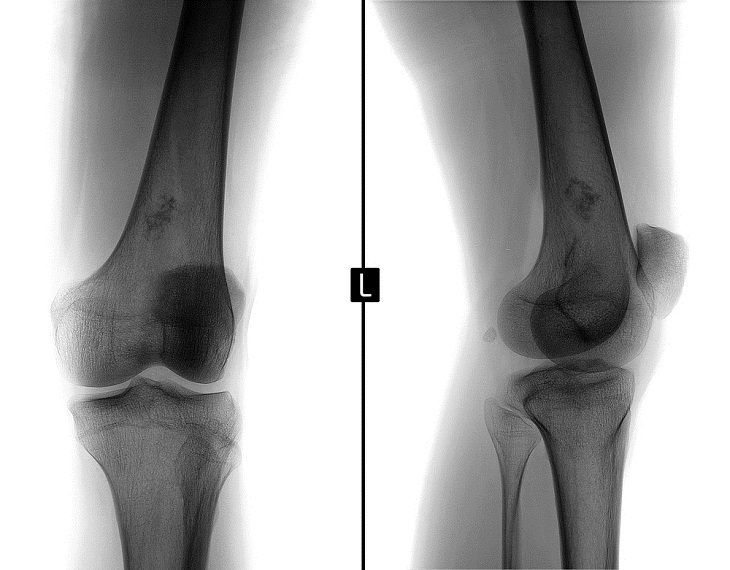
Ewing sarcoma is a malignant tumor that
primarily develops in bone tissue. This aggressive cancer most commonly
affects children and young adults. An estimated one in a million
individuals are affected by Ewing tumors, which account for about 1% of
all childhood cancers.
Symptoms
Symptoms associated with Ewing sarcoma may include:
Pain and swelling near the affected bone
The presence of a lump
Fever
Unexplained bone fractures
Treatment
Treatment options for Ewing sarcoma typically involve a combination of:
Chemotherapy: Administration of powerful drugs to destroy cancer
cells.
Radiation therapy: Utilizing targeted high-energy rays to kill
cancer cells.
Surgery: Removal of the affected bone or surrounding tissue.
High-dose chemotherapy with stem cell preservation: A specialized
treatment involving high doses of chemotherapy followed by the
reintroduction of previously harvested stem cells.
The ACS reports a relative 5-year survival rate of 61% for all stages of
Ewing sarcoma combined.