Liver specialist advises 3 right ways to consume Chia seeds
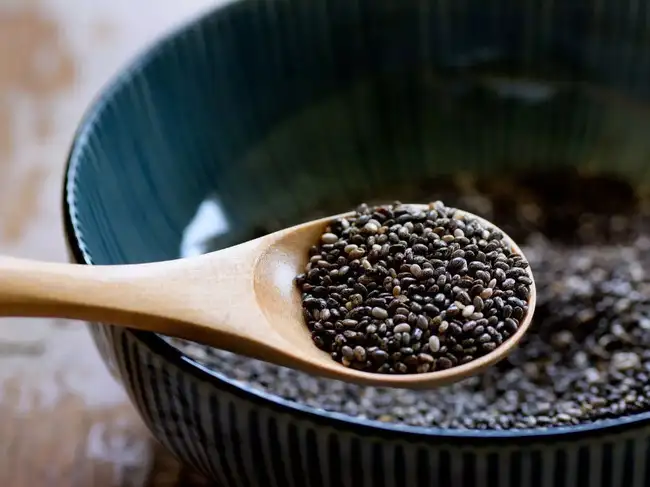
Chia seeds are often celebrated as a superfood, packed with nutrients that promote heart, brain, and digestive health. But according to a Dr. Saurabh Sethi, Harvard and Stanford-trained gastroenterologist, many people may be consuming them in a potentially harmful way. In a YouTube clip, Dr. Saurabh Sethi has issued a clear warning: eating dry chia seeds could pose serious risks. Instead, he recommends three specific ways to prepare them for maximum safety and benefit.
The Risk of Eating Chia Seeds Dry
While chia seeds are rich in omega-3 fatty acids, fiber, protein, and antioxidants, their ability to absorb water is exactly what makes them dangerous when eaten dry. These tiny seeds can expand significantly upon contact with liquids. If consumed without soaking, they may swell in your throat or esophagus, which can cause discomfort or even choking in rare cases.
The Right Way to Eat Chia Seeds
To avoid these issues and make the most of chia seeds' health benefits, Dr. Sethi suggests incorporating them into your meals using these three safe and effective methods:
1. Chia
Pudding
Soak one
tablespoon of chia seeds in half a cup of almond or coconut milk for at least
two hours—ideally overnight. This allows the seeds to fully expand and take on
a gel-like texture, making them easy to digest and safe to consume. Chia
pudding can be flavored with fruits or spices for a nutritious breakfast or
snack.
2. Chia
Fresca
For a quick
hydration and digestion boost, mix a tablespoon of chia seeds into a glass of
water. Let it sit for about 15 minutes to allow the seeds to swell. Adding
lemon enhances the flavor and may support digestion. This simple drink has long
been popular in Central American cultures for its energizing effects.
3. Chia
Smoothie
If you prefer smoothies, pre-soak the seeds
for 10–15 minutes before blending. This extra step helps avoid the dry-seed
issue and enhances the smoothie’s fiber and omega-3 content, making it more
filling and nutrient-dense.
Why Chia
Seeds Are Worth Including in Your Diet
Chia seeds
are more than just a trendy topping. As highlighted by Harvard Medical School,
they’re rich in alpha-linolenic acid (ALA), a plant-based omega-3 fatty acid
that supports heart and brain health. Since the human body can’t produce ALA on
its own, it must be obtained from food.
In addition to omega-3s, chia seeds offer nearly 10 grams of fiber per ounce,
helping regulate blood sugar, improve digestion, and support weight management.
The seeds are also a rare plant source of complete protein, containing all nine
essential amino acids.
Thanks to their high antioxidant levels—including polyphenols and
carotenoids—chia seeds may protect against inflammation, chronic disease, and
even cognitive decline.
While chia seeds can be a nutritional powerhouse, how you consume them makes all the difference. Eating them dry can cause more harm than good. By soaking them before use—in puddings, drinks, or smoothies—you unlock their full benefits without risking discomfort or health complications.