Warning! Make Sure Your Pets Aren't Making You Sick
All those hugs, kisses and snuggles with
your favorite animal companion have been proven scientifically to help
lower stress levels and improve overall mental health. However, getting
too close to your beloved pet can also cause you to contract an
unfortunate illness if you're not careful. What follows are 6 different
ways in which your pet can make you sick.
1. Irritation and allergies
1. Irritation and allergies
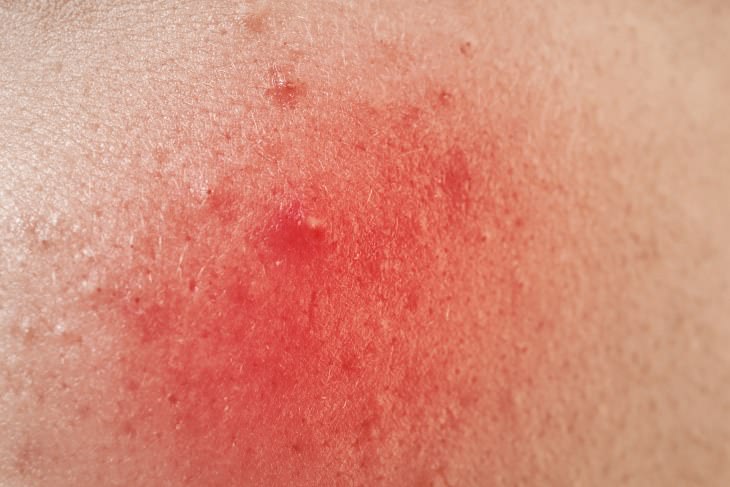
Pet hair or dandruff can cause skin
irritations, asthma attacks or other kinds of allergic reactions in
humans. If you know that you are vulnerable, you can try using a
hypoallergenic shampoo on your furry friend to see if it makes a
difference. You may want to consider looking for a hypoallergenic animal
for your next pet though, to prevent future issues.
2. Parasites
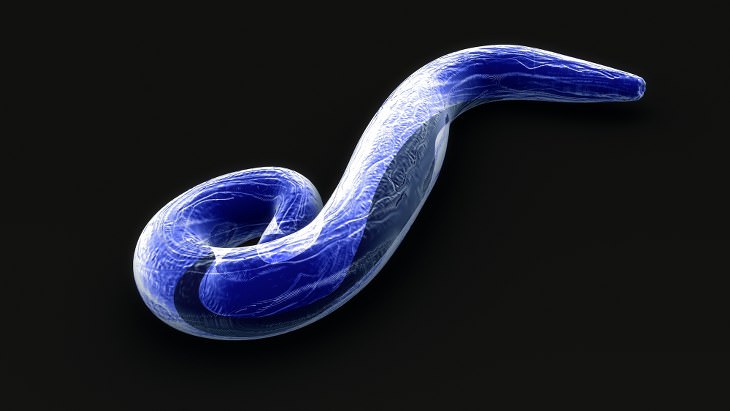
Your pets could be hosting a whole variety
of parasites inside of their bodies, such as roundworms and hookworms,
which they can then pass on to you. The best way to avoid such
transmission is to wash your hands regularly, especially after touching
an animal, and to encourage your family members to the same.
3. Skin Infections

Dr. Satesh Bidaisee, a professor at St.
George’s University, claims that "sometimes dogs will lick open wounds.
There’s a likelihood of infection setting into the human because it’s an
instance where humans are exposed to a particular strain of organisms
which have survived in a harsh environment, and that can lead to
potential risk.” This is why you should never let any animal lick your
wounds.
4. Bird Flu
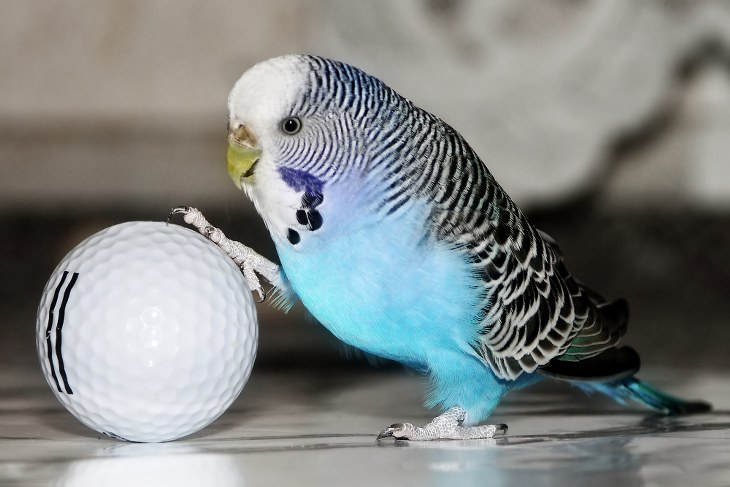
While bird flu outbreaks always make
headlines, your pet budgie is unlikely to cause you any harm. However,
people who like to trap wild birds should be particularly cautious,
since placing a wild bird in a cage will likely stress them out,
allowing any harmful organisms in their bodies to proliferate and make
transmission easier.
5. Salmonella
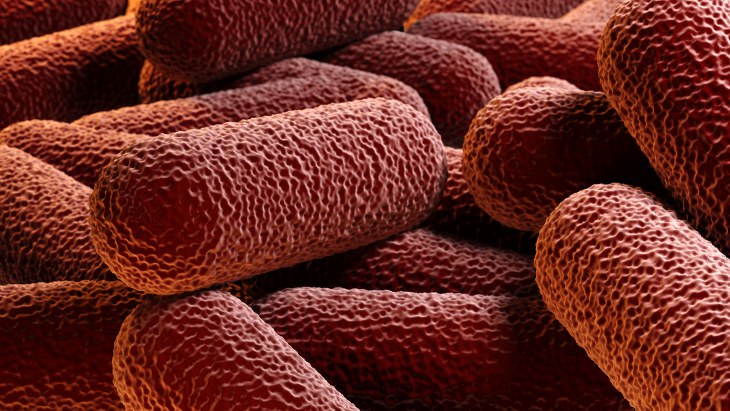
Any reptile or amphibian owners need to
watch out for salmonella since it is a cause of fever, nausea, diarrhea,
and gastrointestinal issues. The Centers for Disease Control and
Prevention (CPC) recommend that such pets are kept away from the kitchen
and dining table, as well as out of sight of any kids under five.
6. Lyme Disease
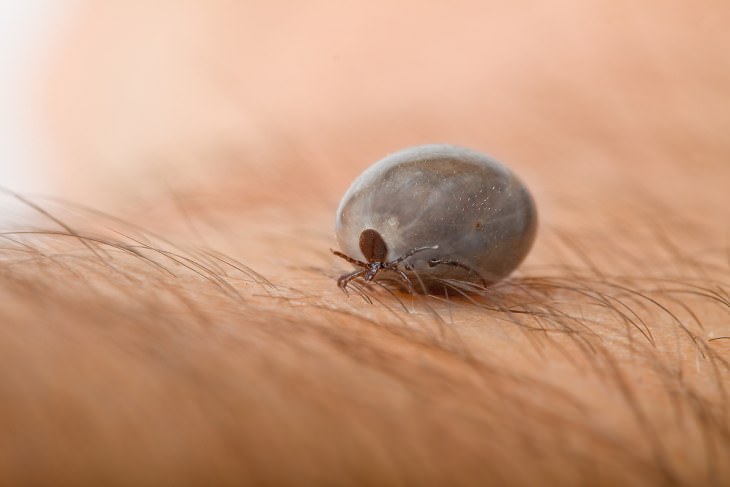
This tick-borne disease is always an issue
when you're hiking or camping with your dog. If your canine companion
doesn't contract the disease itself, ticks can still make their way onto
your own flesh transferring it to you. This is why it's important to
always inspect your dog's coat and dispose of any ticks you find after
spending time outdoors.
T