If You’re Doing These Things, You May Be at Risk of Lyme
Recent years have seen a worrying growth in
reported cases of Lyme disease, a harsh bacterial infection which may
cause neurological harm in the form of memory loss and partial facial
paralysis, as well as severe joint pain and heart complication. The
disease is transmitted by ticks, primarily of the species colloquially
known as deer ticks (or black-legged ticks) in North America, and castor
bean ticks in Europe.
Lyme can be treated once found. However,
diagnosing it in time can sometimes be tough, and even then, the damage
already done could be permanent. In the case of Lyme, prevention is the
best cure, and the infection can be easily prevented, not only by
removing the offending tick in time (it takes about 24-36 hours of the
tick biting you for it to transmit the disease) but by not getting
bitten in the first place.
Here are nine misconceptions and mistakes that may be putting you at greater risk of contracting Lyme disease:
1. Shorts and sandals when hiking
4. Not checking your children when they come back home
Most reported cases of Lyme, by a very
large margin, are in the months of June and July. One major contributing
aspect is the fact that people go outside more in the summer, and do so
while wearing clothes that do not protect their legs. Ticks’ typical
method of “hunting” is to cling to a blade of grass and latch onto any
animal that passes by. By wearing long trousers and closed shoes, you
and your family will be safe from tick bites, as well as many other
threats which may lurk in the grass.
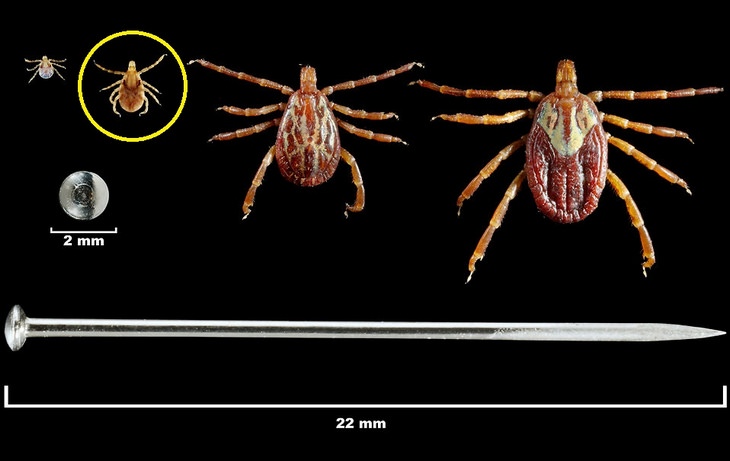
2. " Only adult ticks are a threat".
There are three major stages in a tick’s
life-cycle: a larva, an adolescent nymph, and an adult. Larvae are
uninfected, and adults are typically large enough to be noticeable. Most
cases of Lyme disease are actually transmitted by ticks in the
intermediate nymph stage. Nymphs are still tiny and so a lot harder to
spot than fully-grown ticks.
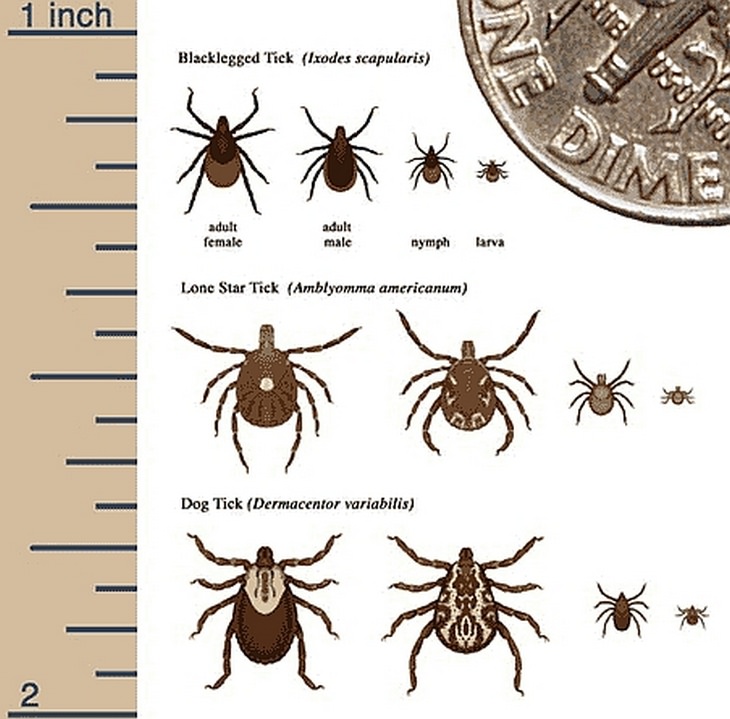
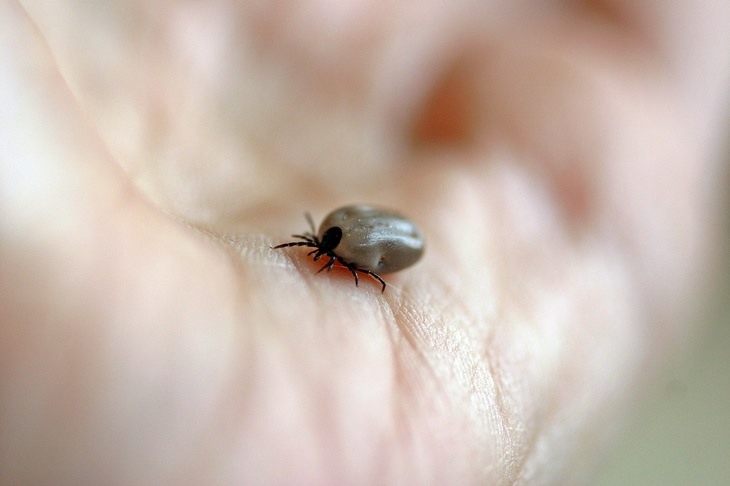
3. Not knowing what a tick looks like
The first step to avoiding ticks is
familiarizing yourself with them. Ticks are arachnids, related to
spiders and scorpions, but unlike them, they are tiny, especially in
their younger stages: a deer tick nymph is about the size of a poppy
seed. They have 8 limbs and an oval abdomen that grows dramatically when
the tick is engorged. Unlike spiders, a tick's body isn't segmented and
the head is directly connected to the abdomen.
Children are at the greatest risk of
getting bitten by ticks because they go outside more, play at ground
level and often wear clothes that don’t adequately protect their limbs.
Check your children for ticks when they come back home after playing
outside and make sure to wash and dry their clothes in a dryer.
5. Cuddling with an unchecked dog
We love our canine companions, but dogs
tend to roll around and don’t wear any clothes to protect their limbs
from ticks. Thoroughly check your dogs’ coats for ticks after talking
them for a walk.
6. "City parks are fine, no?"
It doesn’t matter if it’s the great
outdoors or in the very heart of the city, any area with tall grass and
trees could house ticks, and this extends to your front lawn if you
don’t keep it mowed. Observe all of the precautions you would while
hiking when in these areas.
7. Tending to your garden unprotected
As mentioned before, ticks could hide in
your lawn, but not just there. Just like scorpions and snakes, ticks
like being in the shade and will often hide beneath fallen leaves (it's
dehydration that scares them, not so much the heat). Observe caution
while raking leaves and handling them.
8. "There’s no deer in my area, so I’m safe"
Deer ticks are named so because the adults’
preferred source of sustenance is the white-tailed deer. But deer
aren’t the only animal that ticks bite, otherwise, we wouldn’t be in any
danger at all. Ticks can also feed on mice, squirrels, birds and more,
especially in their nymph stage, when they are the hardest to find.
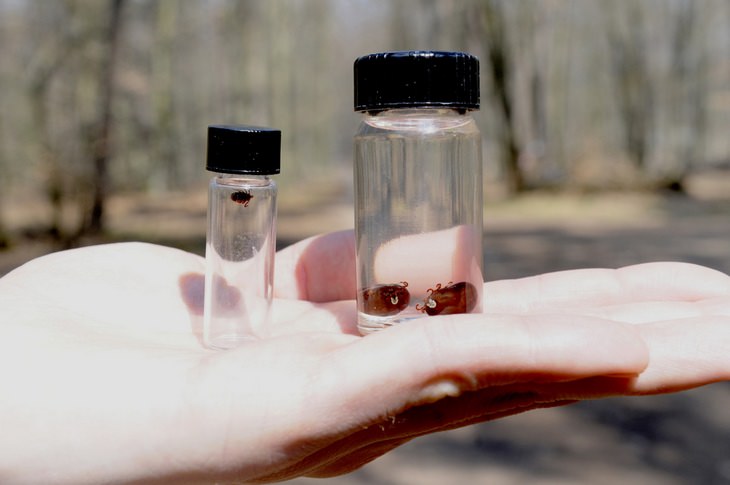
9. Disposing of the tick
9. Disposing of the tick
The first thing you should do if you find a
tick that’s biting you is remove it carefully. The second important
thing is to put it in a zip bag or another secure container. Keeping the
tick may be crucial in identifying the species of the tick and testing
it for bacterial pathogens.
The best way to look for ticks is during the shower. Look all over,
including in spots that are harder to reach, such as behind the knees,
under the breasts, the armpits, the back of the neck and behind the
ears. If you’re having problems seeing those areas using a mirror, ask
someone to help you out.
T