We Have Been Measuring BP Wrong, New Study Says
A groundbreaking new study has revealed
that the accuracy of your blood pressure reading may depend on something
as simple as arm positioning. Published in JAMA Internal Medicine, the
research notes that improper arm placement during a reading can lead to
elevated systolic pressure—up to 7 points higher in some cases. Systolic
pressure is the upper number in a blood pressure reading, indicating
how much pressure is in the arteries when the heart pumps blood.
Lead researcher Dr. Tammy Brady, pediatrician and medical director of
the pediatric hypertension program at Johns Hopkins Children's Center,
was surprised by the magnitude of the difference. The study found that a
dangling arm could significantly increase systolic readings. This
discovery may have far-reaching consequences for measuring and
diagnosing blood pressure.
The Experiment: What did the study find?
The Experiment: What did the study find?
The study involved 133 adult participants.
The volunteers' ages ranged from 18 to 80, and each had their blood
pressure measured in three distinct arm positions: resting on a surface,
on the lap, and hanging by the side.
The results were telling. When arms were
left hanging by the side, systolic pressure increased by an average of
6.5 points compared to the proper arm support on a surface. Meanwhile,
diastolic pressure (the lower number, which measures pressure in the
arteries between heartbeats) also increased by 4.4 points. Even when
resting arms on laps, the systolic pressure was still elevated by 3.9
points, and diastolic pressure increased by 4 points.
These differences might not seem like much, but they can mean the
difference between a normal blood pressure reading and a diagnosis of
stage 2 hypertension. For example, a real reading of 134 could be
inflated to over 140, leading to unnecessary medications and
misdiagnoses.
Misdiagnosis: The Risks of Incorrect Blood Pressure Readings
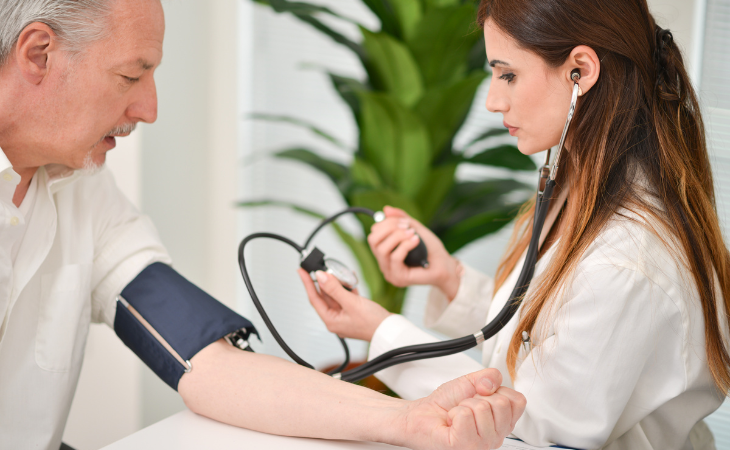
This research highlights the critical role
proper arm positioning plays in blood pressure measurement. With
millions of adults living with high blood pressure, or hypertension, the
stakes are high. Hypertension is defined as having systolic pressure
above 120 and diastolic pressure over 80. Left untreated, high blood
pressure can lead to serious health risks like stroke, heart attack, and
other cardiovascular conditions.
The study raises concerns about widespread misdiagnosis due to improper
technique. Health experts say that patients are often victims of
mispositioned arms during routine checkups. This simple error could lead
to unnecessary treatments, which come with side effects such as
dizziness, fatigue, and blurred vision.
The Science Behind Arm Position and Blood Pressure
But why does arm position affect blood
pressure readings so significantly? According to researchers, gravity
plays a big role. When your arm is below heart level—whether resting on
your lap or hanging by your side—gravity increases pressure in the
arteries. Furthermore, muscle tension in these positions can disrupt
blood flow, causing temporary spikes in blood pressure.
This means that an accurate reading isn’t just about strapping on a
cuff—it requires careful positioning. The American Heart Association
says that your arm should be supported at heart level, feet flat on the
floor, and the back supported. Avoiding exercise, caffeine, and smoking
for 30 minutes before the test also ensures more accurate results.
Real-World Implications: A Call for Change
Dr. Tammy Brady and her colleagues hope this study prompts both patients
and healthcare providers to pay more attention to technique. With many
patients already suffering from white-coat syndrome (elevated blood
pressure due to anxiety during a doctor’s visit), the last thing they
need is an inaccurate reading caused by something as simple as arm
positioning.
Patients should feel empowered to ask for proper arm support during
their blood pressure reading, Brady explained. This small step could
prevent unnecessary prescriptions and ensure patients receive the most
accurate diagnosis.
Practical Tips for Accurate Blood Pressure Readings
This study is a wake-up call for healthcare
professionals, as well as for individuals who monitor their blood
pressure at home. Ensuring the correct arm positioning is essential for
obtaining an accurate measurement. Here are a few simple tips to keep in
mind:
Support your arm: Always ensure that your arm is resting on a
surface at heart level. This minimizes the gravitational impact on blood
flow and prevents muscle tension.
Keep your feet flat: Ensure your feet are planted on the ground with
your back supported. Sitting upright improves blood flow and reduces
false readings.
Avoid certain triggers: Refrain from consuming caffeine, smoking, or
exercising 30 minutes before the measurement to ensure the reading is
not artificially elevated.
Relax and breathe: Tension can raise your blood pressure
temporarily. Take a few deep breaths and relax before taking the
reading.
Why Accurate Readings Matter
Hypertension can often go unnoticed, as it doesn’t always present
symptoms. However, over time, high blood pressure can damage the
arteries and lead to long-term health problems, including heart disease,
stroke, and kidney issues. Misdiagnosis can not only lead to
unnecessary medications but also delay proper treatment for those who
genuinely need it.
Given the gravity of this issue, accurate blood pressure readings are
crucial for effective health management. Dr. Brady’s study highlights
the importance of standardized techniques and calls for a more vigilant
approach from both healthcare providers and patients.
A Simple Fix With Major Benefits
In conclusion, something as simple as how you position your arm can have
a big impact on your health. This study serves as a reminder that we
must be vigilant in ensuring accurate techniques during routine medical
checks, especially for something as important as blood pressure. The
correct positioning of your arm will allow you to control your health
and ensure that you receive the most accurate readings.
Next time you're at the doctor's office or taking a reading at home,
don’t hesitate to ask for proper arm support. It’s a small adjustment
that could make a big difference in your diagnosis and overall
well-being.
T