All Seniors Should Try This Balance Test
Having the ability to stand on one leg for
10 seconds in your middle age might be a sign that you will remain
healthy in the future, researchers say.
According to a new study published in the British Journal of Sports
Medicine, the one-legged stance test (OLS), also called “flamingo
style,” should be included in mid-life health check-ups as a simple way
to gauge longevity. The test could provide “useful information regarding
mortality risk in middle-aged and older men and women,” the researchers
of the study said.
What did the study investigate?
The team of global researchers examined
data on 1,702 people aged 51 to 75 in Brazil. The participants were
asked to balance themselves on one leg for 10 seconds without additional
support.
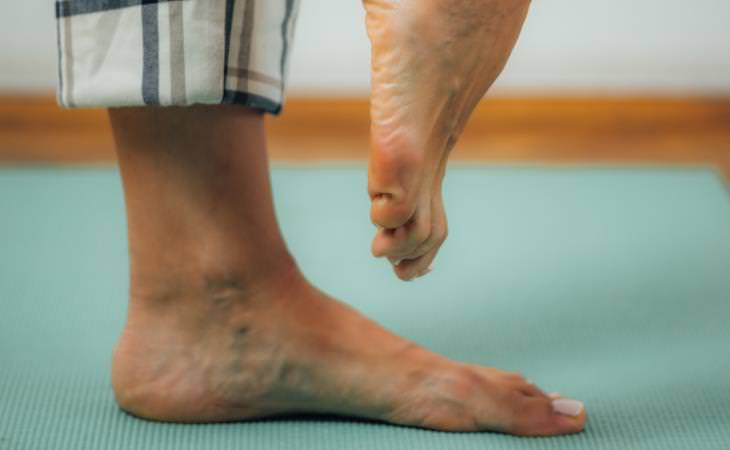
All the participants were asked to take off
their shoes and socks, and then place the front of the free foot on the
back of the opposite lower leg. They had to hold this position while
keeping their arms by their sides and fixing their gaze straight ahead.
Each participant was given three attempts to perform the test
successfully. The results showed that one in five people (20%) failed to
pass the test. Incidentally, the inability to pass the test rose with
age as 54% of the participants aged 71-75 were unable to balance on one
leg for 10 seconds as compared to just 5% of 51 to 55-year-olds, 8% of
56 to 60-year-olds, 18% of 61 to 65-year-olds, and 37% of 66 to
70-year-olds.
In general, the researchers found that those who failed the test tended
to be older, overweight, or more likely to be diagnosed with diabetes.
The research team followed the participants for several years. After an
average follow-up time of seven years, they found that 123 (about 7%) of
the participants had passed away. Those participants made up about
17.5% of those who had failed the test, compared to just 4.6% of those
who had passed.
The team concluded that an inability to stand unsupported on one leg for
10 seconds was associated with an 84% increased risk of death during
the follow-up period. They added that including the 10-second one-legged
stance test as part of routine physical examination in middle-aged and
older adults could be beneficial.
What should we make of the study?
While these findings are certainly worth
thinking about, they aren’t surprising. Previous research has indicated
similar signs in our health. For example, a 2009 study found a
correlation between slow walking speed and higher death rates from heart
disease. Another study published in the European Journal of Preventive
Cardiology showed that the ability to sit up from the floor could
predict mortality risk. Research also suggests that poor grip strength
correlates with a risk of death.
What we also need to keep in mind is that the main causes of death of
the 123 participants during the new study were cancer, heart disease,
and respiratory diseases, including COVID-19. We need more research to
understand how balance could have contributed to some of those deaths.
The researchers would also need to examine a larger group of people to
determine the effectiveness of the test.
A case of improving balance
Poor balance can lead to serious injuries
and even death. Falls, for instance, are the second biggest cause of
injury and accidental death globally. It can be a major concern for
older people due to a higher risk of a serious hip injury. While this
study doesn’t state whether or not better balance can help people live
longer, experts do say that people with better balance are less likely
to sustain falls.
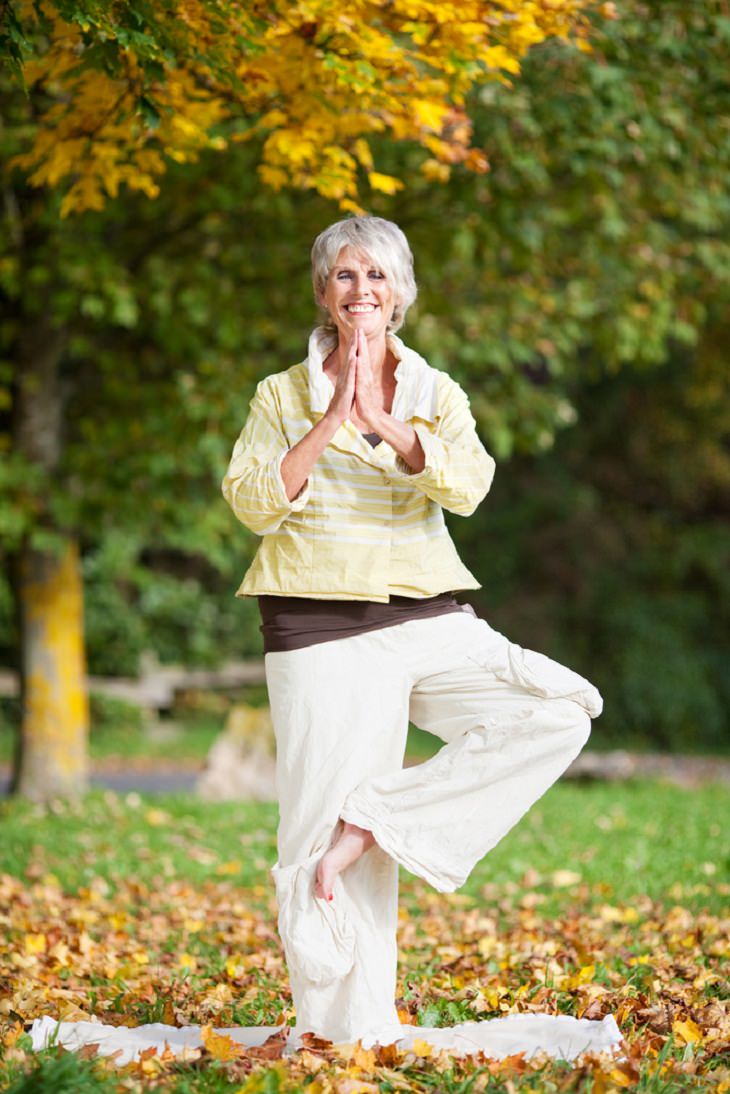
If you want to improve your balance, set an appointment with your health
provider. A physiotherapist may advise simple exercises like walking,
biking, climbing stairs, stretching, or yoga.
T