These 10 Potassium-Rich Foods Should Be Added to Your Diet
Potassium is a very important mineral,
though it is always less discussed than iron and calcium. However,
potassium is crucial for life and the functioning of some of the body's
major organs, such as the brain, heart, and kidneys.
Potassium helps regulate blood pressure and aids heart and nervous
system function. Furthermore, it also negates the negative effects of
sodium, improves sleep quality, boosts mental function and helps to
remove waste from the body. It also helps to regulate your body's fluid
levels.
If you're eating less than the recommended dose (see chart below), you
could end up suffering from potassium deficiency - known as hypokalemia.
A deficiency in potassium can lead to fatigue, insomnia, muscular
weakness, constipation, tingling sensations, digestive problems, and
heart palpitations, to name but a few side effects.
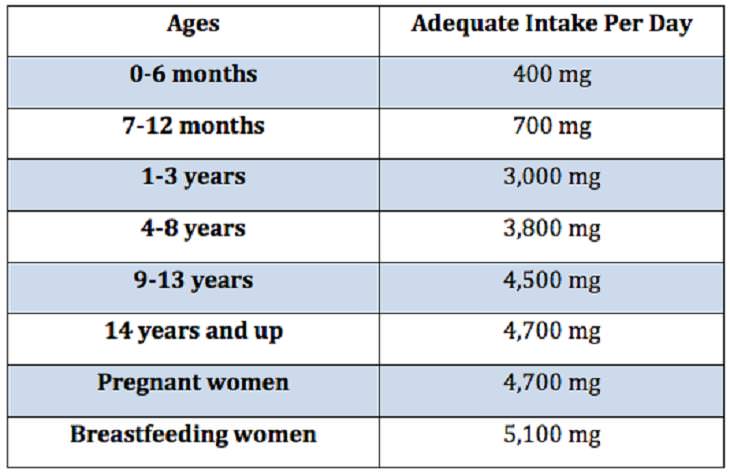
In order to keep a balance of electrolytes and fluids in your body, it is important to consume potassium-rich foods.
Below are 10 foods which are a great source of potassium.
1. Bananas
Bananas are well-known for being full of
potassium. A medium-sized banana contains 422mg of potassium - or 12% of
the recommended dietary intake.
Along with potassium, bananas contain fiber, phosphorus, calcium, zinc,
magnesium, iron, and vitamins B6 and C. Due to the presence of natural
sugars such as fructose, glucose, and sucrose in bananas, they are a
great energy booster.
Regular consumption of the fruit helps regulate bowel movements,
improves your heart health, lowers blood pressure, cures ulcers, soothes
heartburn, treats anemia and improves the condition of your skin.
This fruit can be eaten as a healthy snack or added to oatmeal, yogurt,
and smoothies.
2. Avocados
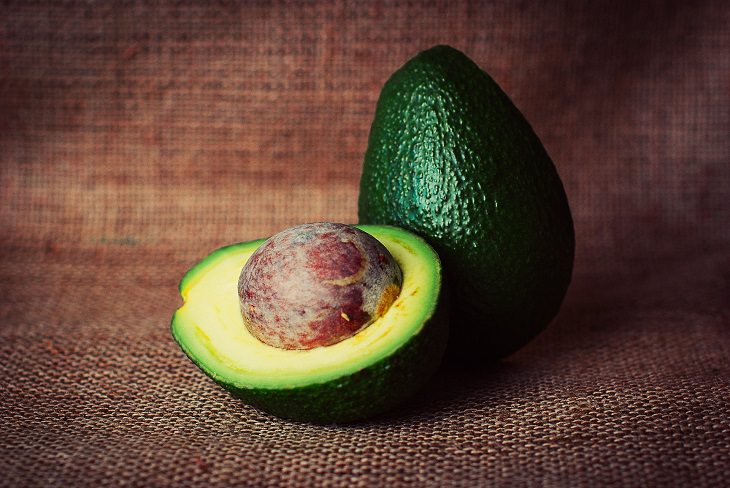
One ripe avocado provides 975 mg - 30% of the recommended potassium dietary intake.
This super-food is also full of heart-healthy fats, fiber, B vitamins, vitamin K, copper, iron, protein, folate, and phosphorus.
Including avocado in your diet can ease
arthritic pain, reduce the risk of certain cancers, lower cholesterol
levels, boost eye health, improve heart health, promote weight loss,
regulate your blood sugar and aid digestion.
You can eat half a plain avocado sprinkled with some lemon juice, or you
can use it to make a guacamole, add it to salads, smoothies or
sandwiches.
3. Spinach
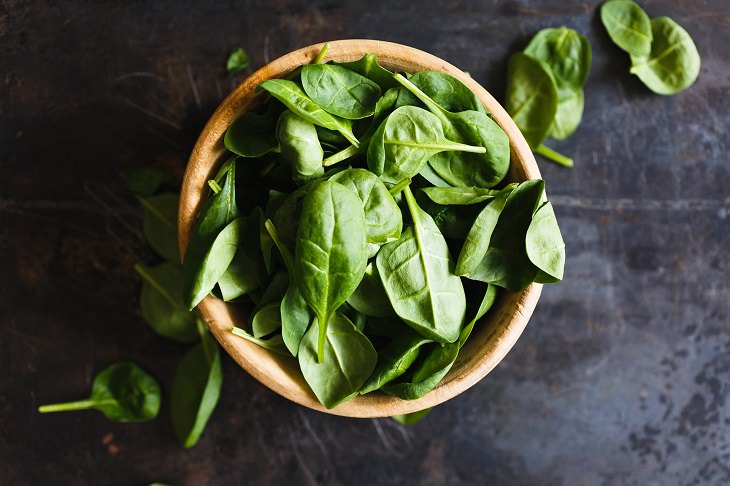
The majority of green vegetables are rich
in potassium, but spinach is definitely worth mentioning. One cup of
boiled spinach provides 839 mg of potassium - 24% of the recommended
dietary intake.
In addition to its high potassium content, spinach is rich in calcium,
vitamins A and K, dietary fiber, magnesium, iron, manganese, zinc,
phosphorus, protein, copper, and nitrates.
Adding spinach to your diet helps improve blood glucose levels, reduces
the risk of cancer, lowers blood pressure, improves bone health, lowers
the risk of developing asthma, fights anemia, reduces inflammation, and
lots more.
You can add this tasty green vegetable to salads, vegetable juice or
green smoothies.
4. Sweet Potatoes
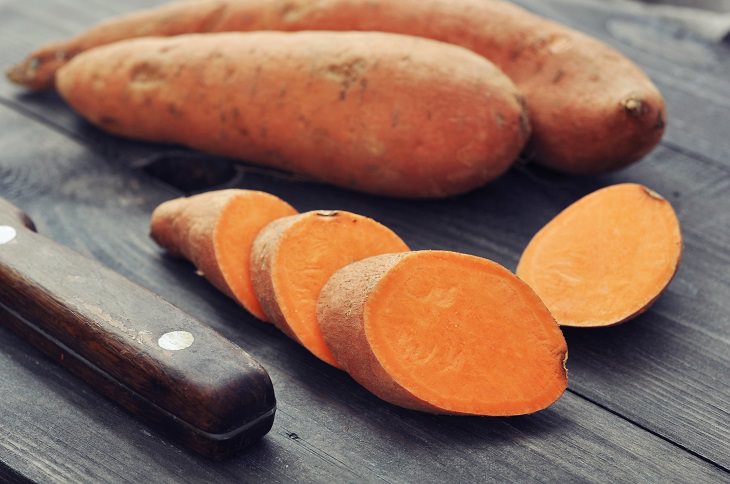
Just a single medium-sized sweet potato
contains 952 mg of potassium - 27% of the recommended dietary intake.
Sweet potatoes contain vitamins A and C and vitamins B1, B2, and B6.
They also contain calcium, iron, phosphorus, fiber, copper, manganese,
and complex carbohydrates.
Consuming this food on a regular basis reduces inflammation, improves
vision, protects skin from sun damage, fights premature aging, regulates
blood sugar levels, wards of cancer, boosts your immune system, and
keeps stress under control.
Sweet potatoes can be enjoyed baked, fried, or steamed - they can be added to soups and salads.
5. White Beans
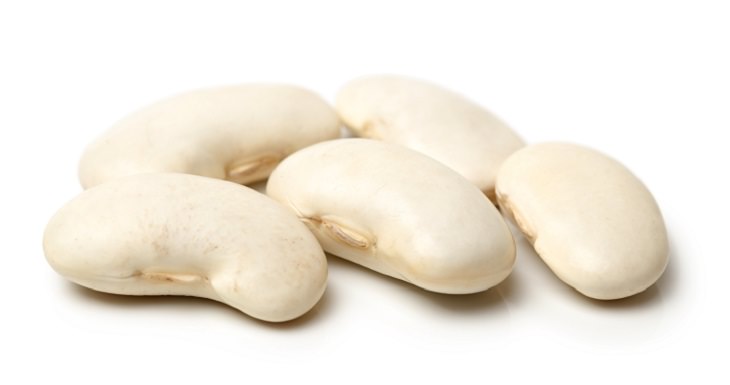
White Beans are rich in potassium and just
half a cup will provide you with 502 mg of it - 15% of the recommended
daily amount.
Along with potassium, these beans contain fiber, iron, magnesium,
copper, phosphorus, and vitamin B1. They also contain little fat and are
cholesterol-free.
By adding this food to your diet, you can prevent your blood sugar
levels from rising too quickly after a meal, lower your heart attack
risk, lower your cholesterol, boost your energy, maintain your memory,
and prevent constipation.
These beans can be added to salads, soups, and stews.
6. Baked Potatoes

One medium-sized baked potato (with the
skin) contains around 950mg of potassium - 27% of the recommended
dietary intake. The flesh contains about 610 mg of potassium, while the
skin packs around 330 mg.
Potato skin is a great source of nutrients, including iron, protein,
dietary fiber, and vitamins B6 and C.
7. Dried Apricots


All dried fruit such as peaches, prunes,
raisins, and figs are great sources of potassium. However, dried
apricots are one of the best potassium-rich foods as just half a cup
provides 775 mg of this mineral - around 22% of the recommended dietary
intake.
Along with this mineral, dried apricots contain a number of powerful
antioxidants, such as vitamin A and vitamin C. They also contain copper,
fiber, calcium, magnesium, iron, and phosphorus.
Including a handful of dried apricots to your diet can improve eyesight,
fight inflammation, lower blood pressure, improve the immune system,
lower cholesterol and improve the health of skin, teeth, and soft
tissue.
Dried apricots are a great on-the-go snack and can also be added to
salads and all kinds of cooking and baking.
9. Acorn squash
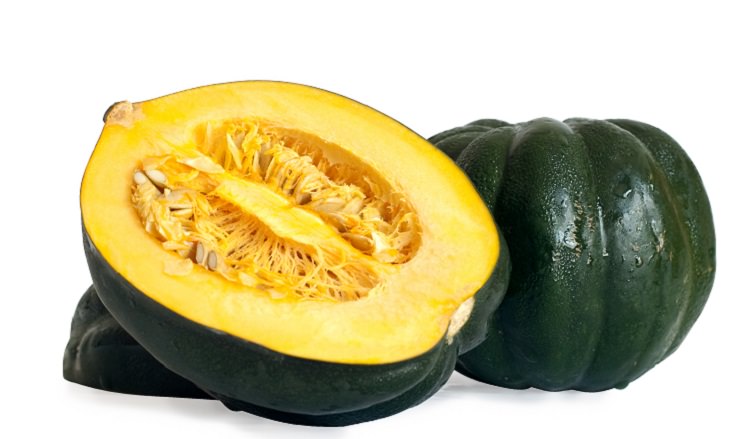
Just 1 cup of acorn squash provides around
644mg of potassium - 18% of the daily recommended amount.
Furthermore, acorn squash contains folic acid, vitamins A and C,
thiamin, magnesium, iron, copper, calcium, several B vitamins, and
phosphorus.
Acorn squash helps to regulate digestion, boosts brain power, prevents
certain cancers, improves vision, protects the skin, strengthens bones,
reduces blood pressure, regulates blood sugar, and maintains proper
circulation.
Acorn squash can be baked, sautéed, steamed stuffed, or mixed in with
meat and vegetable dishes.
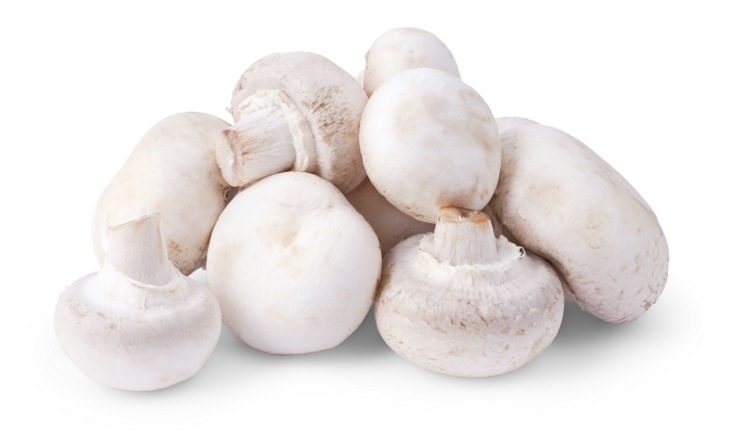
9. White Mushrooms
Just one cup of these cheap mushrooms
provides around 450 mg of potassium - 11% of the recommended dietary
dose.
These mushrooms contain calcium, vitamin D, several B vitamins,
magnesium, protein, and iron.
Adding these mushrooms to your diet reduces the risk of obesity,
regulates blood sugar levels, fights anemia, boosts energy levels, and
improves digestive health.
White mushrooms can be added to soups, salads, stir-fries, sandwiches,
and side dishes.
10. Sun-Dried Tomatoes
A single cup of sun-dried tomatoes provides
1,800 mg of potassium - 40% of your daily requirement.
Sun-dried tomatoes are a good source of vitamins C, A and K as well as
riboflavin, thiamine, protein, iron, and fiber.
Eating sun-dried tomatoes can help your digestive and immune system.
They also help to maintain good heart health, reduce the risk of cancer,
prevent anemia, and regulate bone mineralization.
These tomatoes are a great addition to salads and sandwiches, a great
topping for pizzas and go well in homemade sauces.
T