Tulsi Leaves Benefits: 7 Reasons To Chew Holy Basil In The Morning
From digestion to immunity, discover the potential health benefits of adding Tulsi leaves to your morning routine.
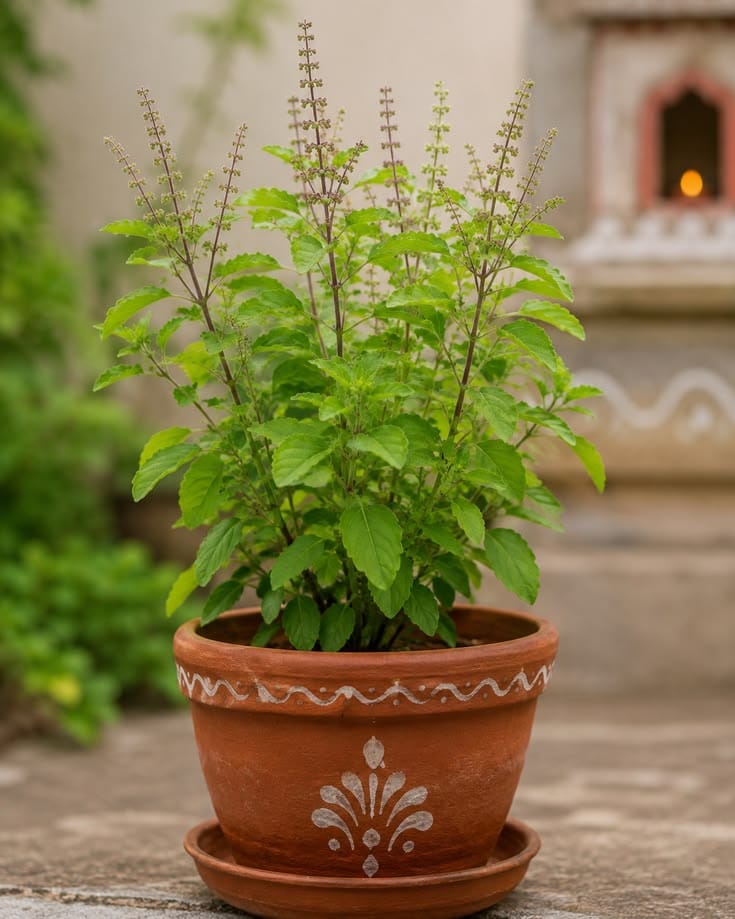
Tulsi, also known as holy basil, has been valued in Indian households for generations. Revered in Hindu tradition and widely used in Ayurveda, its leaves contain plant compounds with antioxidant and antimicrobial properties. Here are seven potential benefits of including Tulsi in your morning routine.
Tulsi leaves contain antioxidant and antimicrobial compounds that may support the body's natural defenses. Traditionally, Tulsi has been used during seasonal illnesses such as colds and coughs. However, it should complement—not replace—medical treatment or a balanced diet.
Chewing Tulsi leaves is traditionally believed to support digestion, and may help with occasional bloating or digestion. Tulsi is also used in Ayurveda for digestive wellness. Persistent acidity, constipation or stomach discomfort should be evaluated by a healthcare professional.
Some research suggest that Tulsi may have blood-sugar related effects, but evidence in humans is still limited. People with diabetes should not use Tulsi as a replacement for prescribed medicines or treatment. Regular glucose monitoring remains important.
Tulsi contains antioxidants that may help protect cells from oxidative stress. Preliminary research has explored its potential effect on cholesterol, blood pressure and cardiovascular health. More human studies are needed before making firm claims about heart disease prevention.
Tulsi is traditionally considered an adaptogenic herb and has been studied for its potential role in managing stress. Some research suggests it may support mood and mental well-being. It should not replace professional care for persistent anxiety, depression or sleep problems.
Tulsi leaves contain naturally occurring compounds such as eugenol and other antioxidants. These substances contribute to the plant's distinctive aroma and are being studied for their potential biological effects. Adding herbs to a balanced diet can provide variety, but moderation matters.
Tulsi's antioxidant and antimicrobial properties have made it popular in traditional skincare and hair-care practices. However, claims that eating Tulsi prevents hair loss or treats skin conditions are not firmly established. For persistent problems, consult a qualified dermatologist.
Disclaimer: This gallery is for general information only and does not replace professional medical advice; consult a qualified healthcare professional before using Tulsi regularly, especially if you take medicines or have an existing health condition.
ONE THING FOR WHICH I DO USE TULSI LEAVES- 15-20, ALONG WITH 1" GINGER CHOPPED AND 2 BLACK PEPPERCORNS CRUSHED IN 500 ML WATER, ONCE IT BOILS, SIMMER FOR 3-4 MINUTES, STRAIN AND MAKE ROUGHLY 3 PARTS, DRINK ONE AT ONCE AS HOT AS POSSIBLE, 2ND WARM AND DRINK IN AFTERNOON AND THE 3RD AT NIGHT AFTER HEATING TO AS HOT AS YOU CAN BEAR. IF NEED BE, MAKE IT THE NEXT DAY TO GET COMPLETE RELIEF FROM COLD. THIS IS MY REMEDY AND FOUND RELIEF WITHOUT ANY OTHER MEDICATIONS. I'VE EVEN MADE AND GIVEN TO MANY WHO FOUND A LOT OF RELIEF FROM HEAD HEAVINESS. IT WON'T HAVE ANY SIDE-EFFECTS. IF YOU WANT TO GIVE TO A CHILD, YOU MAY ADD SOME HONEY.