Using Tennis Balls on Long Flights
Out of all the fitness tools and gadgets available to address pain,
circulation issues, and tight muscles, there’s a simple one that you may
be overlooking: tennis balls. Furthermore, they might just help prevent
blood clots on long trips.
You sit on a plane for hours without any leg room, your neck and back
start to stiffen, and your blood flow starts to decrease. Conventional
wisdom suggests you get up and walk about during the flight to help
circulation, but that’s not always feasible. However, a tennis ball
massage always is.
Performing a self-massage improves blood circulation to targeted parts
of the body. It also helps to reduce pain and tension in the muscles. To
add to this, tennis balls are small enough to carry onto a plane and
using one during a flight won’t take up much space at all.
In addition to working your legs while seated, you can also work your hands, arms, and back. Below are 5 tennis ball exercises that you can adapt to your needs while on a long flight.
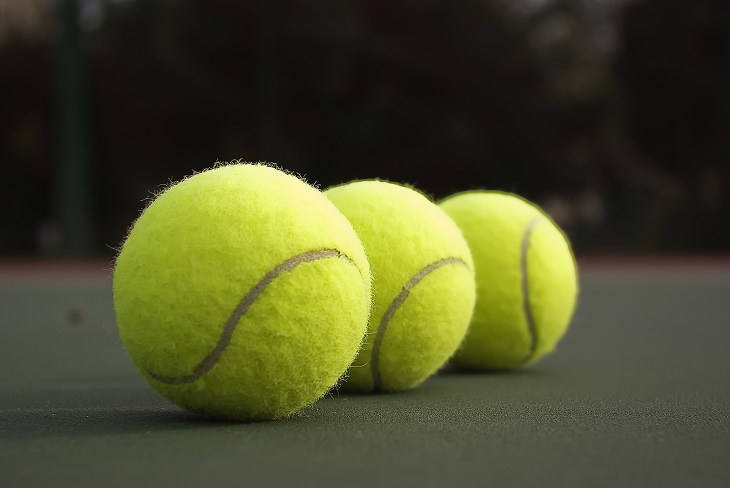
1. Ankles
Give your ankles a good stretch. Place the tennis ball under your foot
and flex your ankle as you roll the ball back and forth. Hold each
position for a few seconds, and then switch to your other foot. You
should be able to do this with your shoes on. If the person sitting
beside you doesn’t mind, you can also slip your shoes off for this one.
2. Wrists
It’s easy for circulation to be poor in your hands and fingers too. So,
to get the blood flowing again, you can grip a tennis ball with light
pressure while bending your wrists inwards and outwards.
3. Thighs
Massaging your thighs with a tennis ball will improve your circulation while you’re sitting down. Roll the ball vertically from the knee upwards to the top of your thigh. Repeat this motion on your entire thigh, applying gentle pressure.
4. Legs and Calves
Following the same technique as thigh rolls, roll the ball upwards from your ankle to the knee, and on your calf. Repeat on your other leg. Apply gentle pressure and pay special attention to any areas of tension.
5. Upper Back and Shoulders
Simply roll the ball across your shoulders, upper back, and neck. Run it over any knots or painful points. You can also wedge a tennis ball between your back and the seat, being careful not to hunch over.
N.B. These 5 techniques can be used by passengers and drivers on long
road trips. Drivers can pull over and take a fifteen-minute break to
carry out these exercises. If your back and/or shoulders start to ache
while driving, position one or two balls between your back and the seat,
and rock back and forth gently.