We are all aware that incorporating healthy
foods into our daily diet is essential. Unfortunately, even after
following a healthy diet, a lot of us can fall ill or suffer from some
other ailment for various reasons. When you are recovering from an
illness, however, some foods and beverages can really help boost the
healing process.
“Let food be thy medicine and medicine be thy food,” is what Greek
physician Hippocrates is renowned for saying. He wasn’t wrong. Many
kinds of foods can ease pain and even help in preventing and healing
certain conditions. In fact, certain foods are known to fight
inflammation, improve immune function, and facilitate healing. Then
there are foods that provide our bodies with the necessary fuel to heal
faster. Here, we will look at a few such healing foods that you should
add to your diet right away.
1. Manuka honey
Manuka honey is native to New Zealand. What
sets this honey apart from common honey is its amazing natural
antimicrobial, antioxidant, and anti-inflammatory qualities. In recent
years, manuka honey has become renowned for its wound healing
properties. Health experts have found that when the honey is applied
directly to a wound, it tends to improve the healing process, increase
the regeneration of tissue, and alleviate pain. In fact, the US Food and
Drug Administration approved manuka honey as an option for wound
treatment in 2015.
Furthermore, research has also shown that
manuka honey is effective at treating ulcers, acne, digestive problems,
eyelid wounds, and even superficial burns.
2. Garlic
Garlic has several health benefits and has
long been considered a natural antibiotic. This power food has
anti-bacterial, anti-fungal, anti-viral, and anti-oxidant properties and
has also been used historically to heal wounds by many cultures. Garlic
also contains many sulfur compounds such as allicin, ajoene, and
alliin. Allicin is known to help lower blood pressure, detoxify the
body, and facilitate healing.
One study by the researchers from the
University of East London found that the allicin present in garlic was
beneficial against the most antibiotic-resistant strains of the MRSA
"superbug" also known as Methicillin-resistant Staphylococcus aureus
that causes infections in different parts of the body.
3. Turmeric
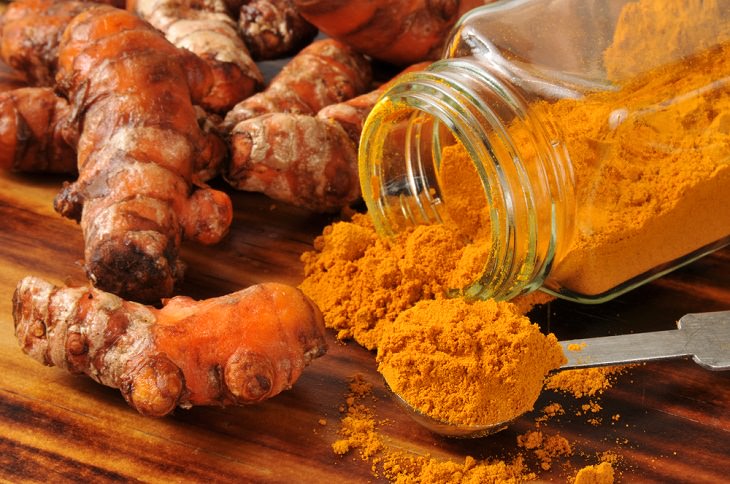
Turmeric, that bright yellow spice, has
been used for ages in Ayurvedic medicine to relieve pain and to promote
healthy digestion. In fact, it’s popularly used as a digestive healing
agent in many parts of the sub-continent.
Turmeric also contains curcumin, a
substance that has proven to have anti-inflammatory properties and can
help heal irritable bowel syndrome. Making turmeric a part of your daily
diet may even help protect your body from tissue destruction and joint
inflammation. This wonder spice can also help relieve heartburn and
bloating while preserving good nerve cell function.
4. Berries
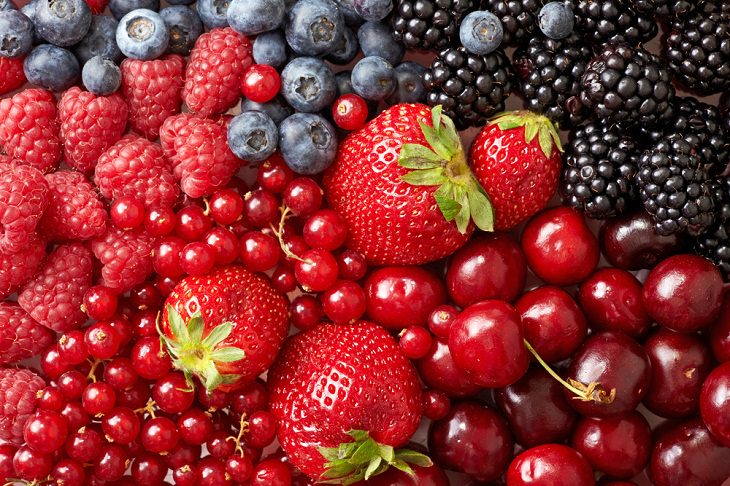
All berries, including blueberries,
strawberries, raspberries, and blackberries, are loaded with plenty of
vital nutrients and plant compounds that can assist with your body’s
recovery. One of the best features of berries is that they are high in
Vitamin C which facilitates wound healing by stirring up the generation
of collagen, the most plentiful protein in your body. Moreover, all dark
berries contain anthocyanins – plant pigments that prevent cell damage
and also have anti-inflammatory, antiviral, and immune-supporting
properties.
5. Salmon
Salmon is brimming with protein, B
vitamins, iron, selenium, zinc, and omega-3 fats. Omega-3 fats, apart
from lowering cholesterol and preventing heart disease, can also be
useful in regulating the heart rhythm and preventing blood clotting.
Moreover, salmon is also considered great for back and joint pain.
Studies have shown that omega-3 fats may
assist in wound healing, improve immune response, and reduce
inflammation. Another point worth noting is that 3 ounces (85 grams) of
wild-caught salmon provides more than half of your daily needs for
selenium – a powerful mineral that controls inflammation and immune
response.
6. Ginger
Ginger is a famous cooking spice but also
has plenty of health benefits – from soothing an upset stomach to
treating arthritis. Over the years, ginger has also been acknowledged by
health experts as an important food for easing seasickness and nausea.
This isn’t all. Ginger is a natural aspirin imitator and has
anti-inflammatory qualities. It is even known to provide relief from
migraines, arthritis pain, and muscle aches.
You can add ginger to your diet in the form of ginger tea, ginger
biscuits, or even add slices of it to smoothies, and juice.
7. Nuts and seeds
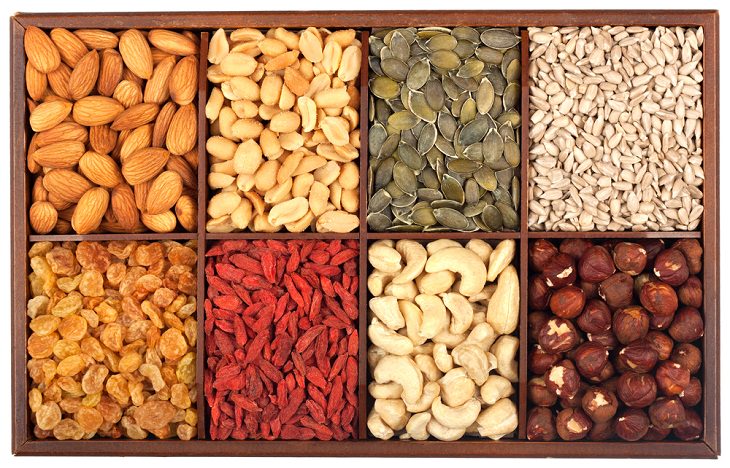
When you are recovering from an illness,
nuts, and seeds such as almonds, pecans, walnuts, sunflower seeds, and
hemp seeds, will be highly beneficial to speed up the healing process.
They provide the necessary fuel to your body during the period of
recovery and have plant-based protein, healthy fats, and vitamins and
minerals that aid healing.
Nuts and seeds are also great for obtaining manganese, magnesium, zinc,
and vitamin E. Vitamin E is vital for our immune system’s health and
works as an antioxidant that protects our cells from damage.
8. Yogurt
Yogurt is an extremely nutritious food and
having it regularly will help your body in many ways. This flavorful yet
healthy treat contains zinc and protein that can support wound healing.
It is also is high in vitamins and nutrients that promote recovery.
Yogurt helps in keeping the immune system working smoothly as well and
even provides support in the division of cells, which is crucial for the
formation of new cells.
In the book “Wound Care: A Collaborative Practice Manual,” author Dr.
Carrie Sussman has suggested that patients should add yogurt to their
daily diet to speed up the healing process. Yogurt also contains various
bacterial strains like B. infantis and L. acidophilus that help reduce
pain, inflammation, and bloating.
9. Coffee
Coffee is one of the most popular drinks in
the world that is rich in antioxidants and works wonderfully well as an
energy-booster. However, it can also work as medicine. "Caffeine helps
reduce pain by narrowing the dilated blood vessels that develop with
headaches," says Andrew Weil, MD, founder, and director of the Arizona
Center for Integrative Medicine.
Besides, coffee helps in reducing pain-promoting compounds and boosting
the impact of other pain relievers. That being said, an overdose of
coffee can have the opposite effect and we hence suggest having it in
moderation.
10. Mint
Chewing on mint leaves can freshen your
breath instantly. But there’s more to this amazing herb that you might
not be aware of. For instance, peppermint contains menthol that is quite
helpful in treating irritable bowel syndrome. Additionally, peppermint
oil can come in real handy in relieving headaches. Just rub some on your
temples and let the minty scent do its work. After all, it’s known as
an herbal aspirin for good reason.
Another great way to use mint for healing
purposes is to brew some mint tea. Botanist James A. Duke, Ph.D., author
of 'The Green Pharmacy Guide to Healing Foods', says that mint tea can
be useful for any type of pain. It can also ease muscle spasms along the
digestive tract. Just pour boiling water over some peppermint leaves to
make your mint tea and soak until it’s quite strong.