8 Ways to Use Witch Hazel for Hair, Skin and Vein Swelling
You’ve surely passed by this plant-based remedy at the drugstore or supermarket dozens of times, mistaking it for a bottle of rubbing alcohol. It’s cheap, widely available, yet utterly underrated. The remedy in question is witch hazel, a natural extract prepared from the leaves and bark of the Hamamelis virginiana shrub indigenous to the United States.
Witch hazel is usually used topically, and it can alleviate irritation and inflammation caused by dandruff, acne, and even hemorrhoids. Apart from that, it can improve the appearance of varicose veins and skin redness.
Native Americans were the first to discover
the benefits of witch hazel centuries ago. It was made into a tea or
ointment and used as a remedy for skin ailments caused by irritation and
inflammation. Since then, other beneficial uses were discovered. Learn
all about these benefits and uses below.
1. Helps reduce discomfort in hemorrhoids
Hemorrhoids are an extremely uncomfortable
condition accompanied by bleeding, itching, and pain. Unfortunately,
they’re also very common, affecting 3 out of 4 adults from time to time.
They occur when the veins in the anus or rectum expand and become
irritated and inflamed, which increases the risk of pain and bleeding
during or after a bowel movement. When this happens, it’s important to
reduce the swelling and stop the bleeding as soon as possible to prevent
complications and ease the symptoms.


Witch hazel is a common natural remedy for
hemorrhoids. It contains anti-inflammatory compounds such as gallic acid
and tannins that were suggested to treat the swelling and itching in
hemorrhoids. Furthermore, witch hazel has hemostatic properties, which
means that it can stop bleeding in hemorrhoids. Given that the onset of
the disease can often be sudden and unexpected, it’s useful to have
witch hazel on hand.
There are 2 ways to use witch hazel for hemorrhoids.
There are 2 ways to use witch hazel for hemorrhoids.
1. Soak a cotton ball in with hazel and directly apply to the area of concern.
2. Add 1/4 to 1/2 cup witch hazel into a bath.
2. Improves the appearance of varicose veins
Varicose veins are dilated, twisted veins
that often appear to be blue or dark purple in color. These veins can
appear on any part of the body, but they are most commonly found in the
legs. For many people, varicose veins are merely a cosmetic concern, but
they can actually be bothersome and painful, too. In rare cases,
varicose veins can cause complications, such as bleeding, ulcers, and
blood clots.
According to a 2001 review study, many
people suffering from varicose veins apply a liquid toner or an ointment
containing witch hazel on them to reduce the swelling and discomfort,
much like one would use it to treat hemorrhoids. However, much of the
evidence is anecdotal, and there is not much research done on the topic.
3. Helps with dandruff and irritated scalp.
3. Helps with dandruff and irritated scalp.
There is a number of scalp conditions that
cause scalp sensitivity and redness. Dandruff, psoriasis, and seborrheic
dermatitis are just a few common examples. Apart from health
conditions, cosmetic hair treatments like hair dye can also irritate the
scalp. Using witch hazel on the scalp can help reduce inflammation,
redness, and irritation.
It will also reduce uncomfortable symptoms,
such as scalp sensitivity and itchiness. Research published in the
International Journal of Trichology in 2014 examined the effects of a
shampoo containing witch hazel extract in 1,373 participants. The study
showed that the shampoo was able to reduce scalp irritation and
sensitivity.
4. Alleviates symptoms of sunburn and other types of burns
4. Alleviates symptoms of sunburn and other types of burns
Some people believe that witch hazel can be
used as sunscreen. Unfortunately, this is a myth, but witch hazel can
benefit the skin in many other ways. Research shows that applying witch
hazel can soothe the skin, even after a burn. It works for sunburns and
other minor skin burns, even those caused by chemicals or razor burns.
Here’s how to use witch hazel on a burn:
soak a soft cloth or a paper towel in witch hazel and gently press it on
the affected area. DO NOT rub or tug at the skin, as it’s very fragile
and sensitive in this state and any friction can further irritate the
skin.
5. Helps a sore throat
Some people swear by witch hazel as a way
to heal a sore throat. Since witch hazel has anti-inflammatory and
astringent properties, gargling a witch hazel solution is said to reduce
swelling, dryness, and pain that accompanies a sore throat. The mixture
can also help dry out some of the excess mucus in the throat.
To try this method, mix 1 teaspoon of witch hazel with 1 cup of water
and boil for 10 minutes. Use the mixture for gargling 3-4 times a day.
AVOID swallowing the witch hazel because it contains tannins, so it
could upset your stomach.
6. Improves Acne
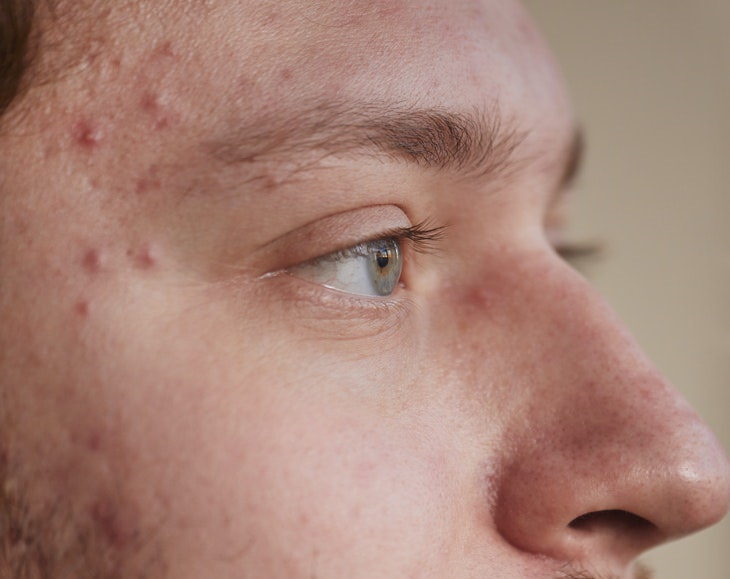
Acne is another skin issue that’s commonly
treated with witch hazel. In fact, many cosmetics targeted for oily and
acne-prone skin contain witch hazel. The reason why witch hazel works
for acne is twofold. Firstly, studies suggest that witch hazel is an
astringent, which means that it helps dry out existing acne. Second, the
tannins present in witch hazel act as antioxidants and reduce the
inflammation in the skin, which makes the pimple less red and painful.
There’s also a belief that witch hazel helps shrink pores and prevents
blackheads, but in reality, this “pore minimizing” effect is very
short-lived, so it’s better to use witch hazel only on the red and angry
pimples. Avoid using witch hazel on the entire face because it can dry
out your skin. It’s much better to soak a cotton bud with witch hazel
and dot it directly onto the acne instead.
7. Relieves bug bite discomfort
Mosquitos buzzing in the air? Then having a
bottle of witch hazel in the medicine cabinet is a good idea. Just like
acne and sunburns, bug bites are often accompanied by redness,
swelling, and inflammation. Soaking a cotton ball with some witch hazel
and dabbing it directly onto the bite can ease those symptoms and
reduces the unbearable itching, too.
8. May fight certain viral infections
More recently, researchers have started looking into witch hazel’s
potential in warding off viral infections. In-vitro studies suggest that
the tannins present in witch hazel possess some antiviral effects
against human papillomavirus (HPV), influenza, and the herpes simplex
virus 1 (the virus that causes cold sores).
In fact, some people use witch hazel to
reduce the symptoms and fight cold sores. Since this is a developing
field of research, there is no evidence of antiviral activity in studies
that involve humans just yet, but we’re sure to update you on any new
developments.
Tips on Using Witch Hazel
Witch hazel is available in many forms and products these days. The most
common form is a liquid witch hazel toner, but ointments and shampoos
containing witch hazel are also available. If you intend to use witch
hazel for a variety of concerns, it’s best to purchase a witch hazel
toner that contains only witch hazel and water.
It’s important to avoid products that contain fragrance and alcohol
because these ingredients can aggravate the skin. Also, please use witch
hazel with caution and patch-test before you use it on wounds, acne, or
irritated skin. Allergic reactions and skin irritation are rare but not
null with witch hazel.
To perform a patch test, apply witch hazel on a small visible area on
the skin and wait for a few hours. Finally, if you have rosacea or
extremely dry skin, avoid using witch hazel on large areas of the skin,
like your entire face or chest.
Share this article with family and friends!