Arthritis affects millions worldwide, causing pain,
stiffness, and swelling in joints. While there's no cure, managing
symptoms is important for improving quality of life. Diet plays an
essential role in this management, but the internet is flooded with
conflicting information on what to eat and what to avoid.
When it comes to arthritis, food myths are everywhere, from gin-soaked
raisins to apple cider vinegar. For those dealing with daily joint pain,
the idea that a few specific foods can ease discomfort or even cure
arthritis is undeniably appealing. But as with any health condition,
it’s essential to understand what actually works. Here, we take a closer
look at what science says about some of the most commonly discussed
foods and their impact on arthritis.
Myth 1: Gin-soaked raisins can relieve joint pain

Many believe that gin-soaked raisins are an
arthritis remedy. The idea is that sulfur, used to preserve raisins,
has anti-inflammatory properties that reduce joint pain, while the
juniper berries in gin might bring relief as well. While sulfur
compounds like methylsulfonylmethane (MSM) have been tested for joint
health, no scientific studies confirm that gin-soaked raisins relieve
arthritis symptoms.
The Takeaway: There’s no evidence that
gin-soaked raisins reduce arthritis pain. If you enjoy them as a treat,
feel free, but don’t rely on them for pain relief.
Myth 2: Apple cider vinegar eases joint pain
Apple cider vinegar is hailed as a natural
remedy for all kinds of ailments, including arthritis. Some argue that
the small amount of beta-carotene in it could fight inflammation, while
others believe it helps by breaking up acid crystals in the joints.
However, arthritis is not caused by acid crystals—only gout involves
uric acid, and vinegar has no impact on this form of arthritis.
The Takeaway: Apple cider vinegar is excellent in recipes, but it
doesn’t impact arthritis symptoms or pain.
Myth 3: Dairy products aggravate arthritis symptoms
Dairy products, particularly milk, cheese,
and yogurt, often come under fire as inflammation triggers for
arthritis. However, scientific studies have found that dairy can
actually be beneficial for people with arthritis. In fact, one study
found that milk reduced uric acid levels, which can protect against
gout. While some may experience lactose intolerance, most people with
arthritis can safely enjoy dairy.
The Takeaway: Unless you have a specific
allergy, dairy can be part of a healthy diet for those with arthritis
and doesn’t worsen joint pain.
Myth 4: Nightshade vegetables aggravate arthritis

Tomatoes, potatoes, eggplants, and peppers
are part of the nightshade family and contain a compound called
solanine, which some say can exacerbate arthritis pain. However, no
credible research supports this claim. In fact, nightshades are high in
vitamins and antioxidants, which may help reduce inflammation rather
than cause it.
The Takeaway: Nightshade vegetables are packed with beneficial nutrients
and do not worsen arthritis pain.
Related: Do You Have Arthritis? These Tips Can Help Ease the Pain
Myth 5: A low-acid diet lessens arthritis pain
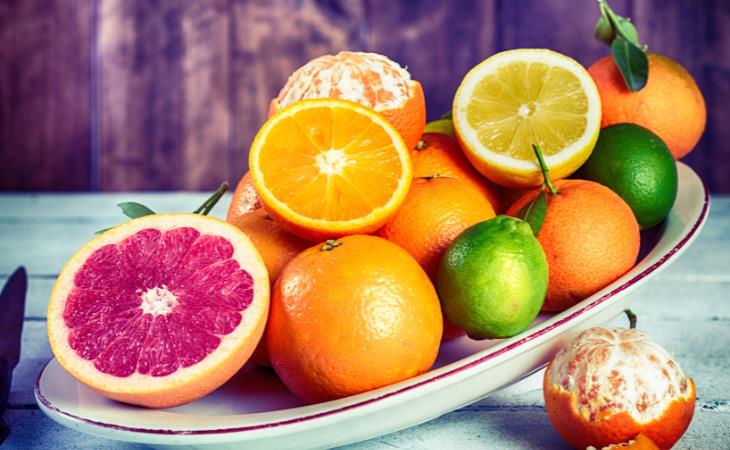
There’s a common belief that eating acidic
foods can disrupt your body’s pH levels and make arthritis symptoms
worse. But research shows that the body’s pH is tightly regulated and
not significantly affected by diet. Once food reaches the stomach, it is
met with stomach acid, which neutralizes any dietary impact on blood
pH.
The Takeaway: An acid-alkaline diet doesn’t influence arthritis
symptoms, as your body naturally maintains its pH levels regardless of
food choices.
Myth 6: Raw food diets relieve arthritis symptoms
Some people with arthritis turn to a raw
food diet, which includes uncooked fruits, vegetables, and nuts. One
study in the late 1990s suggested that a raw vegan diet, supplemented
with certain probiotics, brought relief for some arthritis symptoms.
However, it didn’t show any measurable long-term benefit. Additionally,
this diet is restrictive and often leads to nutrient deficiencies.
The Takeaway: Adding more fruits and
vegetables to your diet is helpful, but a fully raw food diet isn’t
necessary for arthritis relief.
Myth 7: Increased red wine consumption alleviates arthritis symptoms
The antioxidant resveratrol in red wine has
anti-inflammatory properties, but there’s little evidence to suggest
that drinking red wine specifically relieves arthritis pain. While
resveratrol supplements may help suppress certain inflammatory markers,
over-consuming alcohol can worsen inflammation and interfere with
arthritis medications.
The Takeaway: Enjoy red wine in moderation if you like, but don’t rely
on it to ease arthritis symptoms.
Myth 8: Coffee consumption causes gout
Coffee has often been linked to gout
flare-ups, though research tells a different story. Large studies, such
as the Nurses' Health Study, have shown that regular coffee consumption
may reduce gout risk. Some research suggests coffee might even lower
uric acid levels, which is good news for gout sufferers.
The Takeaway: Drinking coffee doesn’t increase your risk of gout and may
even reduce it.
Myth 9: Gelatin strengthens joints due to its collagen content
Gelatin, derived from collagen, has been
marketed as a remedy for joint health, but the science doesn’t back up
its claims. While collagen is essential for joint health, the digestive
process breaks down gelatin into amino acids that are distributed
throughout the body, not just to the joints.
The Takeaway: Gelatin won’t directly benefit your joints, but it can be enjoyed as part of a balanced diet.
Myth 10: Citrus fruits can worsen arthritis
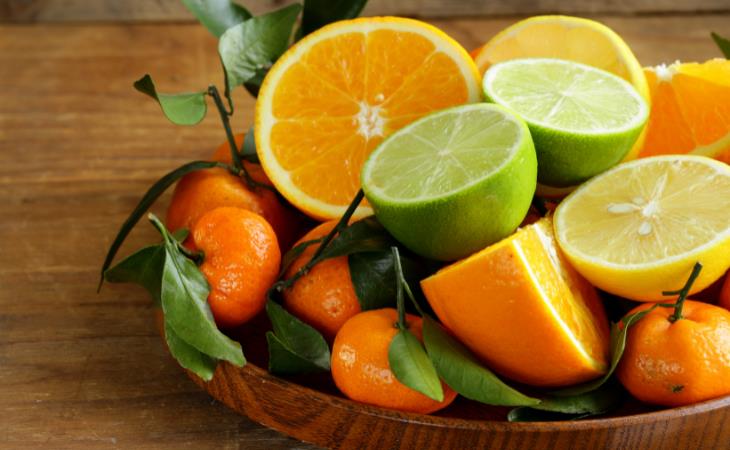
There’s a misconception that citrus fruits
can worsen arthritis. However, vitamin C, found abundantly in citrus
fruits, is crucial for collagen formation, which supports healthy
joints. Research has also shown that vitamin C may reduce the risk of
osteoarthritis (OA) and potentially prevent future knee pain.
The Takeaway: Citrus fruits are beneficial, and their vitamin C content
supports joint health.
Foods That Support Arthritis Relief
While myths about certain foods causing or curing arthritis abound,
there are several dietary choices supported by research to help manage
arthritis symptoms. Adding anti-inflammatory and nutrient-rich foods
into your daily routine can help promote overall health and joint
comfort.
Omega-3 fatty acids

Salmon, tuna, and mackerel are high in
omega-3s, which have shown strong evidence in reducing inflammation and
stiffness in arthritis sufferers. Omega-3s are also found in plant-based
sources, like chia seeds and walnuts. Including these foods in your
diet a few times a week may reduce joint pain and allow for a lower
medication dose.
Omega-3 fatty acids are among the most researched and effective
anti-inflammatory foods for arthritis.
Fiber-rich foods
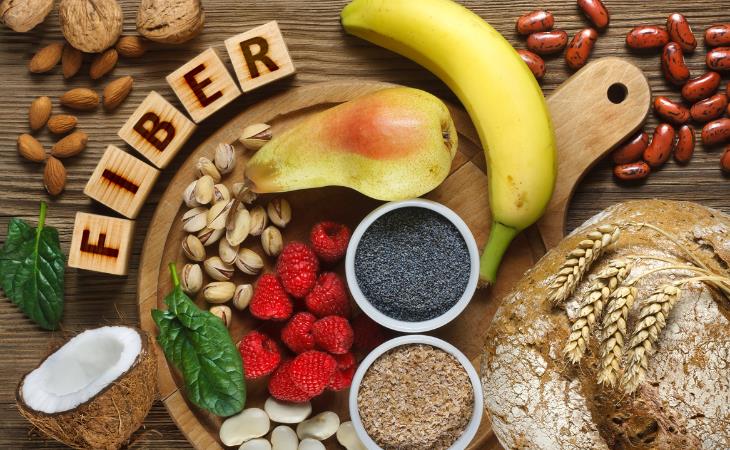
Foods high in fiber, such as whole grains,
fruits, and vegetables, can lower C-reactive protein (CRP) levels, an
inflammation marker associated with arthritis. A diet rich in fiber
helps improve overall health and can support arthritis management.
Include fiber-rich foods in every meal to aid inflammation management.
Green tea for antioxidants
Green tea contains antioxidants that may
protect joints by reducing inflammation. Early research shows that
antioxidants like EGCG, present in green tea, could help slow cartilage
damage in arthritis. Enjoy green tea regularly, but be mindful of added
sweeteners.
Green tea is a simple addition to your diet that may have protective benefits for joint health.
Beans for protein and minerals
Beans are affordable, rich in fiber, and
contain folic acid, magnesium, iron, and zinc, all beneficial for
arthritis. They also offer plant-based protein that helps with muscle
strength, supporting arthritic joints.
Beans are a low-cost, nutrient-dense food that can support joint health
and muscle strength.
A balanced diet is key to managing arthritis
Rather than relying on isolated food myths
or “miracle” cures, experts recommend following a balanced diet to
manage arthritis symptoms. Prioritize fresh, unprocessed foods, with a
focus on anti-inflammatory choices like fish, fiber, fruits, and
vegetables. Remember, there’s no one-size-fits-all solution, but through
balanced nutrition, many can find relief and support for joint health.