Vitamin C or Vitamin E for smoother skin? Dermatologists reveal where the real glow secret lies
Walk through any beauty store and the promise is everywhere glowing bottles of vitamin C serums and rich creams infused with vitamin E. Both are marketed as skin saviours, but for anyone chasing smoother, healthier looking skin, the question remains which vitamin actually does more. A recent Prevention report featuring dermatologists and registered dietitians sheds light on how these two nutrients differ and why the answer is not as simple as picking one.
Why Antioxidants Matter for Skin Health
According to experts quoted in the Prevention report, both vitamin C and vitamin E act as antioxidants that protect skin cells from free radical damage caused by pollution, UV exposure and daily environmental stress. Meridan Zerner, a registered dietitian at Cooper Clinic, explained in the report that these vitamins work internally and externally to reduce cellular damage, making them foundational to skin health rather than cosmetic extras.
Vitamin C and the Collagen Connection
Vitamin C often takes centre stage in skincare for one major reason collagen. Marissa Beck, a registered dietitian and founder of REVV Health, noted in the Prevention report that vitamin C plays a critical role in collagen production, which supports skin firmness, structure and wound healing.
Dermatologist Dr Marisa Garshick added that vitamin C helps brighten the skin and improve uneven tone. Research cited in the report also suggests it may soften the appearance of wrinkles, raised scars and sagging skin, while protecting against oxidative stress from sunlight and pollution. This makes vitamin C particularly appealing for ageing or sun stressed skin.
Vitamin E and the Skin Barrier Advantage
Vitamin E works differently. As explained in the Prevention report, it is a fat soluble vitamin naturally present in the skin’s sebum, helping maintain moisture and strengthen the skin barrier. Dr Beck highlighted that vitamin E operates within cell membranes, reducing UV induced damage and calming inflammation.
Because of these properties, vitamin E is commonly found in moisturisers and oils and may be especially helpful for dry, flaky skin or inflammatory conditions such as eczema. Its role is less about brightening and more about protection and hydration.
Is One Better Than the Other?
Experts interviewed by Prevention agree that choosing between vitamin C and vitamin E is not a competition. Dr Garshick explained that while vitamin C may be more effective for brightening and mature skin concerns, the two vitamins often work best together. Studies referenced in the report show that combining vitamins C and E can enhance protection against UV damage and improve signs of ageing.
When paired, vitamin E can stabilise vitamin C, improving its effectiveness and longevity in skincare formulations. This synergy explains why many high performance serums include both.
Food, Skincare and Smart Timing
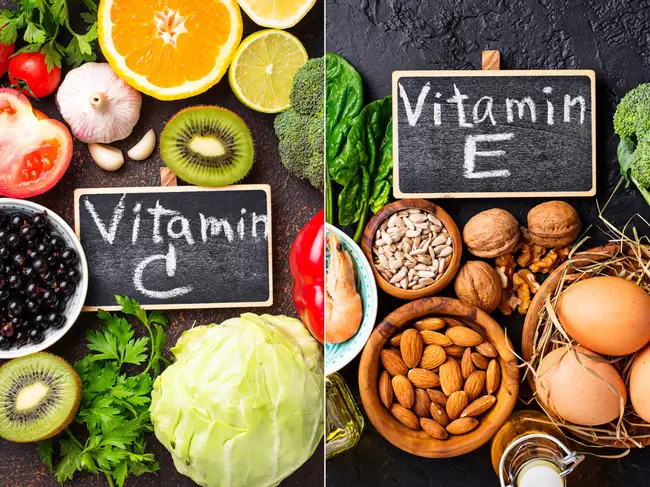
The Prevention report also emphasised that smoother skin starts from within. Zerner recommended vitamin C rich foods such as oranges, strawberries, bell peppers, tomatoes and broccoli, while vitamin E sources include nuts, seeds, avocados and plant based oils.
Beck
stressed that diet should be the first line of defence, noting that even mild
nutrient deficiencies can affect healing and immunity. Topical products can
complement nutrition, particularly vitamin C serums used in the morning to
protect against daily environmental damage. Dr Garshick advised pairing vitamin
C with sunscreen for added protection.
The verdict from experts is clear smoother skin is not about choosing vitamin C
over vitamin E, but understanding what your skin needs. Vitamin C supports
brightness and collagen, while vitamin E strengthens and soothes. Used together
and supported by a balanced diet, hydration and proper sleep, they form a
powerful duo rather than rival solutions.