Pressure points for Constipation Relief
When nature calls but nothing happens, millions of people reach for over-the-counter remedies. But what if the solution was literally at your fingertips? Enter acupressure—an ancient healing practice that's helping modern sufferers find natural relief from one of life's most uncomfortable problems.
We've all been there. Whether it's stress
from a demanding work schedule, dehydration from that third cup of
coffee, or side effects from medication, constipation strikes when we
least expect it. While it's a common experience, it doesn't have to be
an inevitable one.
The Power of Touch: Understanding Acupressure
Rooted in traditional Chinese medicine, acupressure works on the
principle that our bodies contain a vital energy called qi (pronounced
"chee"). This life force flows through invisible pathways known as
meridians, connecting to every tissue and organ in your body. When this
energy becomes blocked or imbalanced, health issues—including digestive
problems—can emerge.
Unlike acupuncture, which uses thin needles, acupressure harnesses the
healing power of touch. By applying targeted pressure to specific points
along your body's meridians, practitioners believe they can restore
balance and promote natural healing responses.
"Acupressure promotes peristalsis—the wave-like muscle contractions that
move stool through your digestive system," explains Dr. Kim Peirano, a
licensed acupuncturist. "It also activates the vagus nerve, which plays a
crucial role in healthy digestion by sending signals between your brain
and digestive tract."
Six Pressure Points That Pack a Punch
The human body contains over 2,000 pressure points, but when it comes to
constipation relief, these six locations are your best allies:
San Jiao 6 (Branching Ditch):
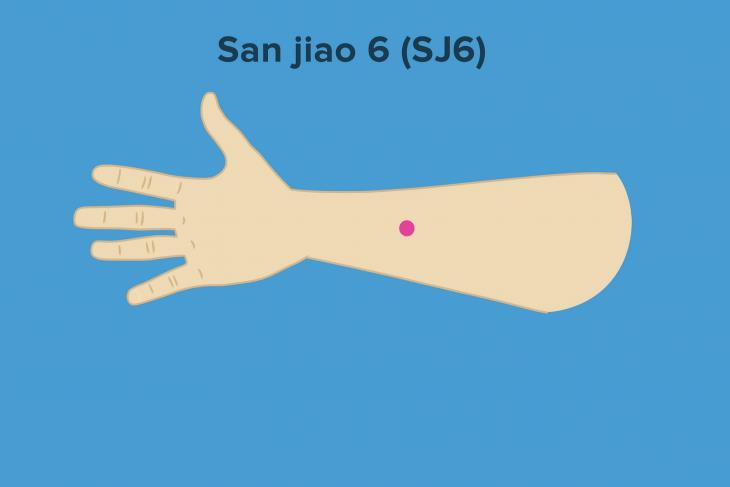
Located three finger-widths from your
wrist crease on the outer arm, this point stimulates the lower digestive
organs, including the large and small intestines. Apply circular
pressure with your opposite thumb for one to three minutes, then repeat
on the other arm.
Stomach 25 (Celestial Pivot): This
digestive system balancer sits two finger-widths to the right of your
belly button. Press with your thumb or index finger in circular motions
for one to three minutes, then switch to the left side. This versatile
point helps both constipation and diarrhea.
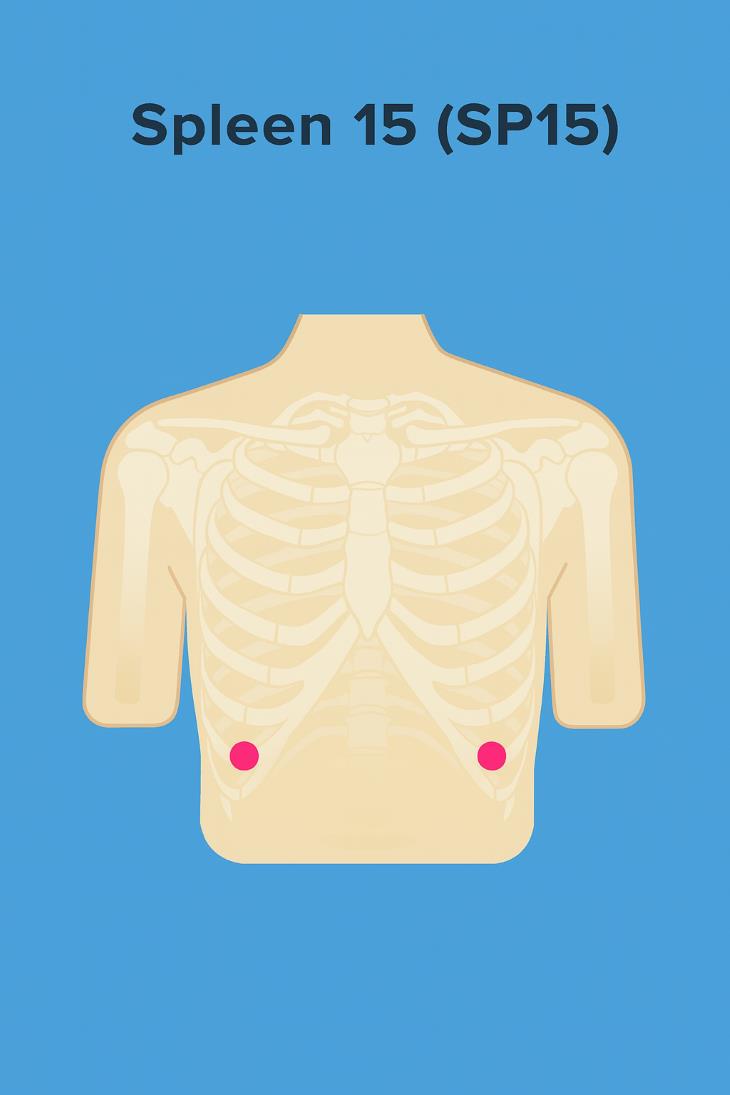
Spleen 15 (Great Horizontal):
Found four finger-widths to the right of
your navel, this point works in tandem with Stomach 25 to stimulate
peristalsis. Use the same circular pressure technique for maximum
effectiveness.
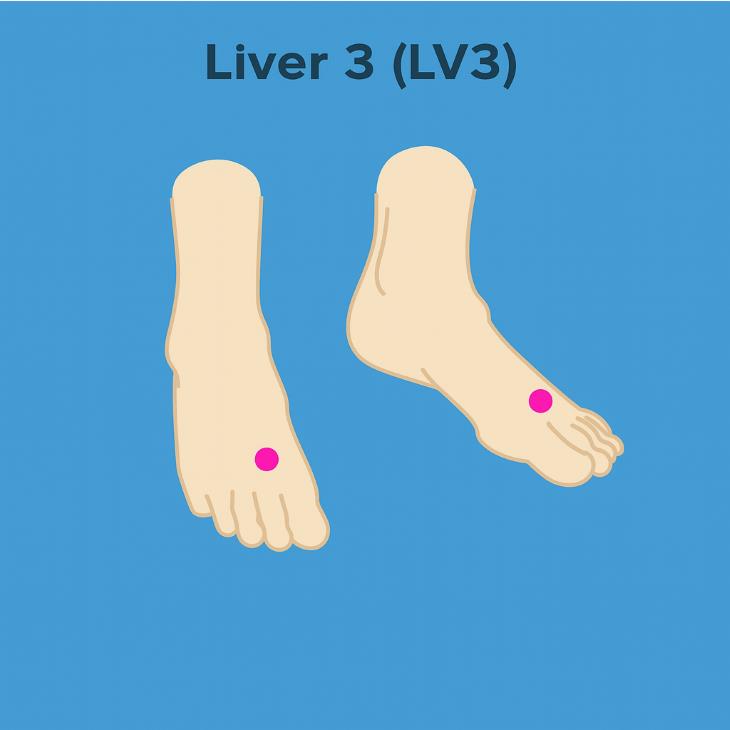
Liver 3 (Great Surge):
When stress is the
culprit behind your constipation, target this point in the soft skin
between your big toe and second toe. This pressure point regulates liver
qi and provides stress relief—a double win for your digestive system.
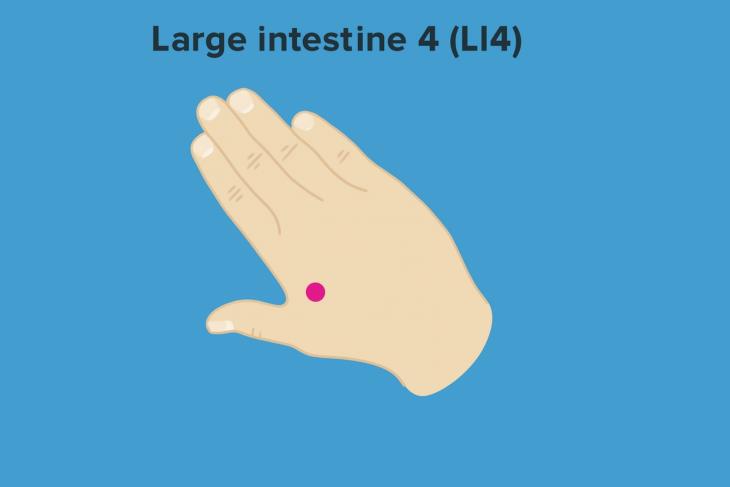
Large Intestine 4 (Joining Valley):
Another
stress-busting point, this one lives in the webbed skin between your
thumb and index finger. If emotional tension is backing up your system,
this point offers natural relief through circular pressure application
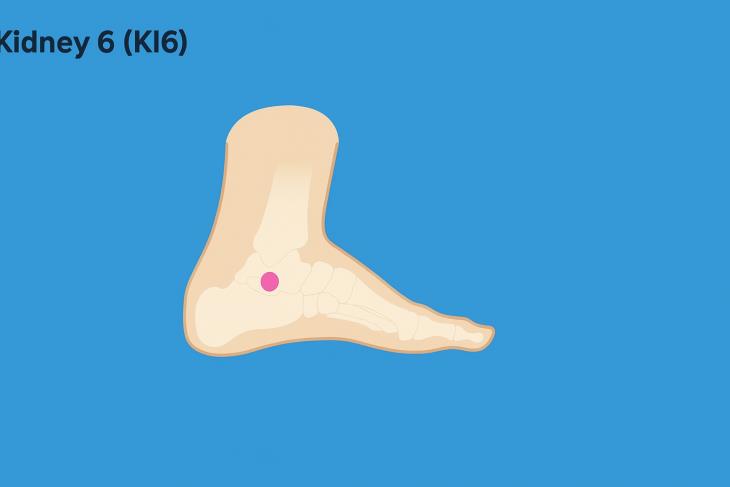
Kidney 6 (Shining Sea):
Located below your
inner ankle bone, this foot point induces bowel movements by promoting
fluid production—essential for keeping things moving smoothly through
your digestive tract.
The Science Behind the Pressure
Recent research supports what traditional Chinese medicine has long
claimed. A 2019 study found that acupressure increases endorphin
production, leading to muscle relaxation and stress reduction. This is
particularly beneficial when constipation stems from emotional or
psychological factors.
The practice also stimulates the body's natural digestive processes,
encouraging the rhythmic contractions that move waste through your
system. It's like giving your digestive tract a gentle, internal
massage.
Safety First: What You Need to Know
While acupressure is generally safe, it's not suitable for everyone.
Pregnant women should exercise caution, as certain pressure points can
potentially induce labor. Those with lung, kidney, or heart disease,
pacemakers, or inflamed skin should avoid the practice entirely.
Even when performed correctly, acupressure can cause minor side effects
including bruising, soreness, or lightheadedness. The key is using
gentle, consistent pressure rather than forceful pushing.
Beyond Pressure Points: A Holistic Approach
Acupressure works best as part of a comprehensive digestive wellness
strategy. Complement your pressure point routine with fiber-rich foods
like fruits, vegetables, and whole grains. Stay hydrated—especially
important when increasing fiber intake—and maintain regular physical
activity to keep things moving naturally.
Consider adding magnesium citrate to your routine (up to 350 mg daily
for women, 400 mg for men), manage stress through relaxation techniques,
and try to establish regular bathroom habits. Sometimes, medication
adjustments with your doctor's guidance can also make a significant
difference.
When to Seek Professional Help
While acupressure and lifestyle changes can provide remarkable relief,
persistent constipation warrants medical attention. Contact a healthcare
provider if home remedies aren't working, or if you experience
concerning symptoms like persistent abdominal pain, bloody stools,
vomiting, fever, or unexplained weight loss.
The Bottom Line
In our fast-paced world, ancient wisdom offers surprisingly modern
solutions. Acupressure provides a natural, accessible way to address
constipation without relying solely on medications. With just your hands
and a few minutes of focused attention, you can tap into your body's
innate healing abilities.
The next time digestive discomfort strikes, remember that relief might
be just a pressure point away. Your body has been equipped with
everything it needs—sometimes it just needs a gentle nudge in the right
direction.