10 Asian Dietary Habits You Should Take Up Now
In Asia, diet is all about creating wellness, because Asian people
believe that doing so is the best way to ensure their health. If you
decide to incorporate these habits into your diet, you’re highly likely
to see an improvement in your overall health. Here are 10 Asian dietary
practices that are excellent ways of ensuring wellness:
1. Limit drinks, especially cold ones
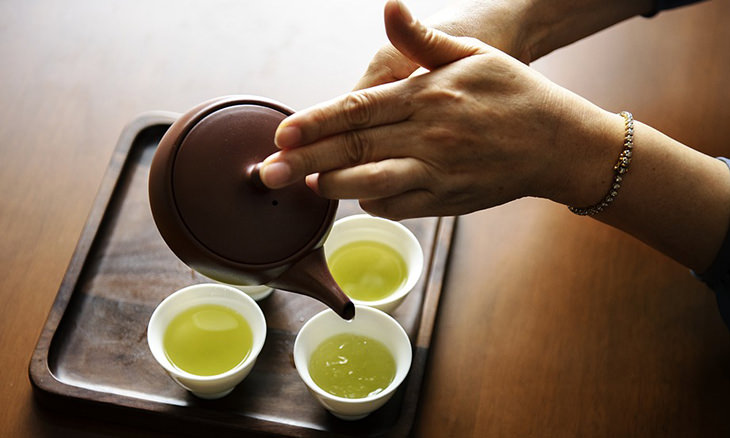 |
It’s normal in the western world to have a cold glass of water or
perhaps a soda with a meal, but changing this habit can help to create
better digestion. It’s much better to drink green tea or another hot tea
30 minutes before a meal to support enzymatic activity and enhance your
digestive abilities, and then have something to drink 30 minutes after a
meal, rather than during.
2. Lots of soup
Soup is highly nutritious, as well as filling. Most Asian soups are made with bones or vegetables, so they are full of vitamins and minerals. Examples are bone broth, vegetable or miso soups that are easily absorbed into the body. What’s more is that the warm temperature of soup can improve the entire digestive process.
3. 3:1 ratio of vegetables to meat
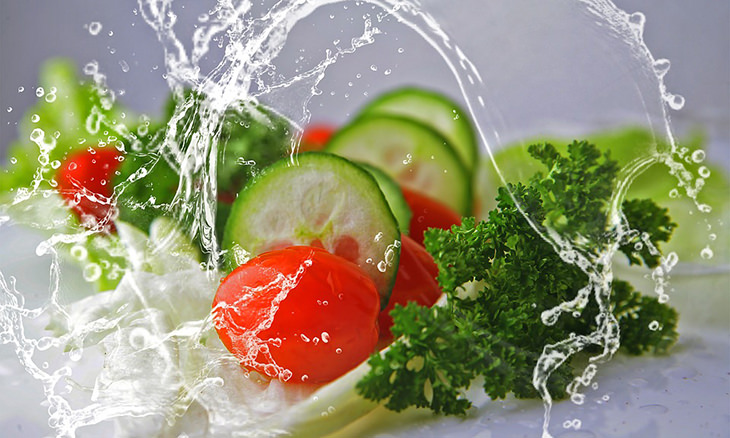
The Asian diet places emphasis on the importance of eating three times as many vegetables as meat. The usual meat and potato western diet does not leave much room on the plate for that many vegetables to be incorporated into a meal, but a little thing that you can do to make it healthier is to switch out regular potatoes for sweet potatoes. Other great additions you can make are bitter vegetables such as radishes and radicchio.
4. Small plates and chopsticks
Changing up your plates and serving bowls for smaller ones is a great way to eat smaller portions. Using chopsticks also makes it easier to avoid shovel eating techniques. If you’re an inexperienced chopstick user, chopsticks are guaranteed to slow down your rate of consumption and give your stomach time to communicate with your brain that it’s full and that it’s time to stop eating.
5. Rice combinations
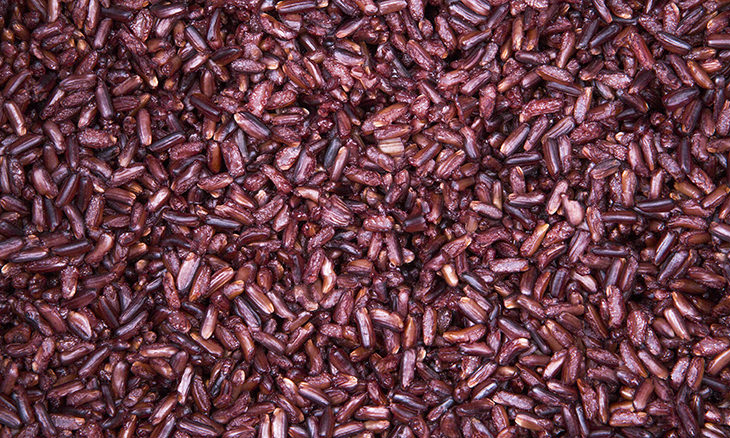
Black, red or purple rice varieties are nutritionally denser than white or brown rice. In Asia, rice is eaten to supplement a meal, rather than being the main course itself. Being a carbohydrate, it’s converted into sugar when being digested, dramatically upping your glycemic index. This is a good source of fast energy, but bad if you want to avoid blood sugar fluctuations, or if you are diabetic.
6. Not eating dessert every night
If you really must have dessert, make sure that you have fruit. It’s nutritious and delicious, and commonly served as a dessert in Asia. Sugary cakes, cookies and ice cream should be saved for special occasions only.
7. Seafood
It’s a well-known fact that seafood is very healthy, and it has been a
part of diets around the world for millennia. We’ve all heard about the
healthy oils that are found in fish, but Asian culture has always done
better at continuing to incorporate fish as part of the local diet.
8. Healthier snacks
In Asia, people tend to snack on seaweed, nuts, dried fruit and seeds as opposed to chips, cookies and other unhealthy snack foods that are more common in the west. In fact, they’re easy to find in almost every market. The one thing you have to watch out for if you decide to start snacking the Asian way is to be wary of the salt content in nuts.
9. Food temperatures to go with seasons
Not much consideration is given to the energetic temperature of foods in
the west relative to the seasons. This simple rule of thumb dictates
that cooling foods should be eaten in hot weather, and warming foods
should be eaten in cold weather. Hot soups and stews are for winter,
whereas the likes of celery, melons and cold salads are for summer.
Every food has an energetic temperature and accordingly, has an effect
on the body.
10. Avoid cow’s milk
Milk combines horribly with many foods that we eat, despite the notion
that it’s perfectly healthy being continuously foisted upon us by
advertisers. In fact, cow’s milk is completely absent in Asian diets.
The problem is that cow’s milk slows down gut motility to a snail’s
pace, which is the exact opposite of what is best for healthy digestion.
Try replacing cow’s milk with almond, coconut, rice or organic soy
milk.