Why A Lump Or Bleeding Around The Anus Shouldn’t Be Ignored: Know When To See A Doctor
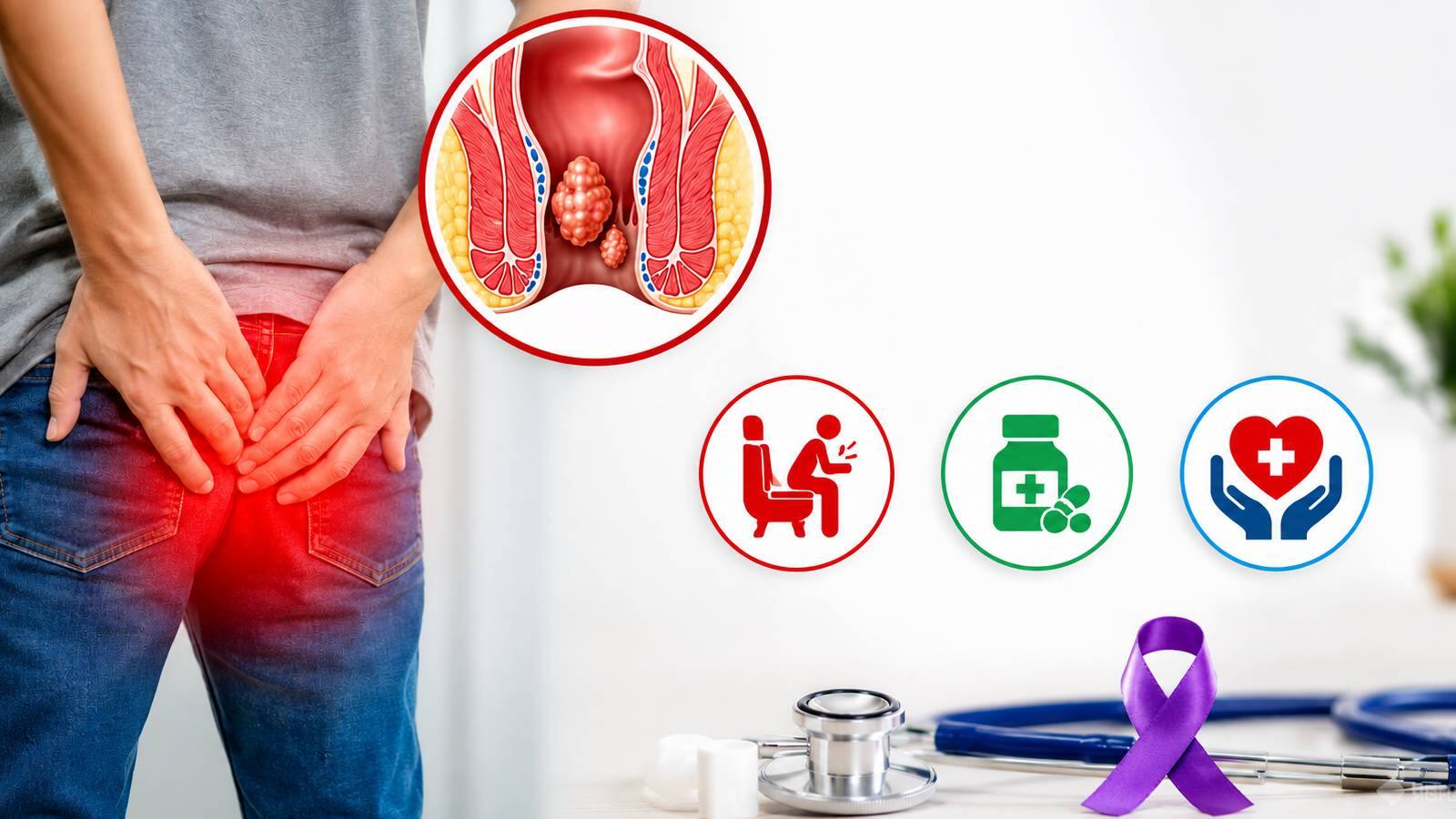
Anal cancer is a rare type of cancer affecting the tissues or lining of the anus and is often associated with human papillomavirus (HPV) infection. Its symptoms can go unnoticed until the disease progresses. It is most commonly diagnosed in people aged 60 and older. It is more common in men before 35 and slightly more common in women after 50.
Anal cancer can be difficult to diagnose in its early stages because it may not cause noticeable symptoms. This can make detection challenging. As the disease progresses, symptoms may appear and can sometimes be mistaken for conditions such as haemorrhoids, according to Dr Rajeev Premanath, laparoscopic surgeon at Ramakrishna Super Speciality Hospital, Bengaluru.
Pain and bleeding are among the symptoms associated with anal cancer. A person may also experience itching, notice a lump in or around the anus, have difficulty passing stools or observe narrower-than-usual stools. Pelvic radiation therapy used for cancers such as rectal, prostate or cervical cancer is another possible risk factor mentioned in the source text.
Treatment depends on the stage of the disease and may include surgery, radiation therapy and chemotherapy. When the cancer does not respond well to chemotherapy and radiation, surgery may be considered as a treatment option.
When Should You See A Doctor? If you notice symptoms that could indicate anal cancer, seeking medical advice promptly is important. Early diagnosis and treatment can significantly affect the outcome and the overall progression of the disease.