Thinking of giving your baby a pacifier? Here's what parents need to know before deciding
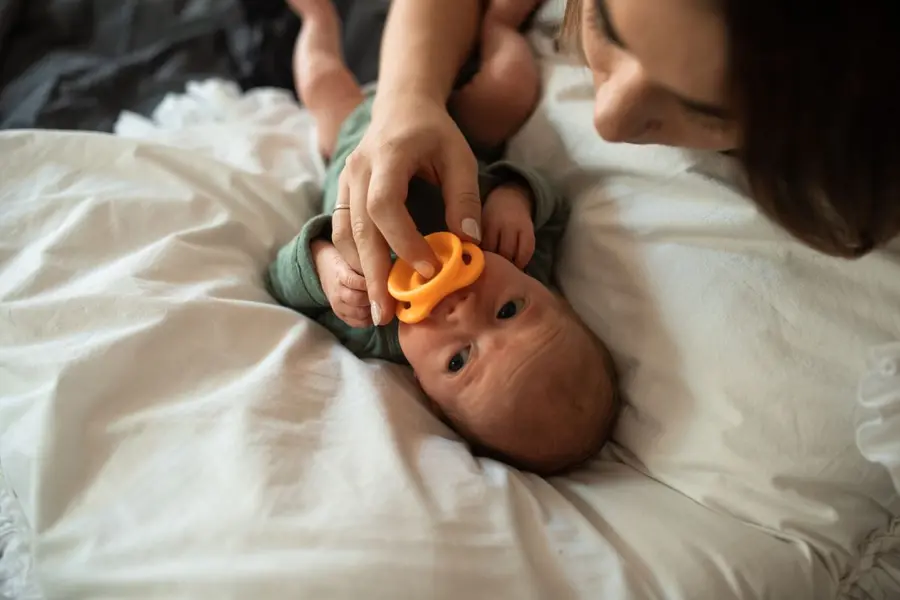
A pacifier can seem like a lifesaver when a baby refuses to settle, but many parents worry whether offering one is a good idea or the start of a habit that is difficult to break. Questions about breastfeeding, dental health and sleep often leave families unsure of what to do.
The reassuring news is that the scientific evidence is more balanced than the debate often suggests. Major health organisations, including the Mayo Clinic and the American Academy of Pediatrics (AAP), say pacifiers can have genuine benefits when used appropriately. At the same time, experts caution against introducing them too early in some situations or allowing children to rely on them for years.
Here's what research says about the benefits, the drawbacks and the safest way to use a pacifier.
Babies are born with a natural urge to suck
Newborns are born with a strong sucking reflex that goes beyond feeding. Known as non-nutritive sucking, it helps babies regulate themselves, feel secure and calm down when distressed.
According to the Mayo Clinic, this is why many infants instinctively suck their fingers, fists or a pacifier even when they are not hungry. The soothing effect can make it easier for babies to settle between feeds or drift off to sleep.
One benefit backed by research: Lower risk of SIDS
Perhaps the strongest scientific argument in favour of pacifier use is its association with a reduced risk of Sudden Infant Death Syndrome (SIDS).
The Mayo Clinic, citing recommendations from the American Academy of Pediatrics, says offering a pacifier during naps and at bedtime is linked to a lower risk of SIDS, although researchers still do not fully understand the biological mechanism behind the effect. Importantly, babies should not be forced to take one, and if it falls out after they fall asleep, there is no need to put it back into their mouth.
Health experts stress that a pacifier is only one part of safe sleep practices. Babies should still be placed on their backs on a firm sleep surface from pillows, loose blankets and soft toys.