Vital Warning Signs Your Body Needs More Calcium
Calcium, best known for its important role in bone health is an
essential mineral. Calcium is needed to stabilize blood pressure,
regulate hormone secretion and conduct nerve signals properly. When you
don't get enough calcium you could suffer from calcium deficiency which
could be identified by certain symptoms. Here's a list of the most
common signs your body is lacking in calcium:
1. Dry Skin
The lack of calcium, also known as Hypocalcemia, may be visible in your
skin. This condition will likely make your skin look scaly and dry. It
has also been found that calcium deficiency has a close link to the
development of skin problems including eczema and psoriasis.
2. Fatigue
An inadequacy of calcium can affect your overall physical health. So if
you experience extreme fatigue, lethargy, lack of energy, or a constant
feeling of sluggishness, ease up on the energy drinks. Instead, focus on
something positive like balancing your diet.
3. Depression 
Calcium is also essential for regulating your mood. Calcium is a natural sedative that produces calming and relaxing effects. Generally, the less calcium you consume, the more depressed and irritable you may feel.
4. Insomnia
As you sleep your levels of calcium rise and fall with higher levels
occurring during deep sleep. If your body lacks calcium, you'll likely
fail to have a sufficient deep night's sleep. This problem is related to
calcium's role in the creation of melatonin, a hormone that helps us
fall asleep.
5. Paresthesia
Paresthesia includes neurological symptoms related to severe calcium
deficiency. You may experience tingling and numbness around the mouth or
in the fingers and toes, muscle tremors, an impaired sense of touch and
also a poor memory and hallucinations.
6. Frequent illness
Calcium plays an important role in maintaining a healthy immune system as it helps your body fight against viruses and bacteria. A deficiency of calcium reduces your body's resistance against pathogen attacks, consequently giving you colds, coughs, and sneezes more often.
7. Brittle nails
Just like your bones your nails need a certain amount of calcium to
maintain their integrity. So, when you suffer from a deficiency in
calcium your nails become dry, weak and are prone to peeling and
splitting. Weak nails are not thick enough to withstand an impact and
may, therefore, break during the simplest daily activities.
8. Difficulty swallowing
While it may sound surprising, calcium deficiency can lead to dysphagia or difficulty in swallowing. This feeling of tightness is caused by poor contractions of the muscles in your throat. When severe, it can even lead to spasms in the larynx causing unusual changes in your voice.
9. Toothaches
Most calcium is stored in our bones and teeth, so they are usually the
first to suffer from calcium deficiency. Because of this vital element,
your teeth may start to turn yellow, decay and may even hurt you. In
addition, your risk of suffering from a periodontal disease may also
increase.
10. Muscle cramps
If you suffer from muscle cramps in your thighs, calves, arms, and underarms that mostly occur at night, it may be one of the early symptoms of a calcium deficiency. Cramps may also be followed by muscle aches while moving and walking and may progress into spasms in muscles all over your body with time.
Bonus: How to treat calcium deficiency
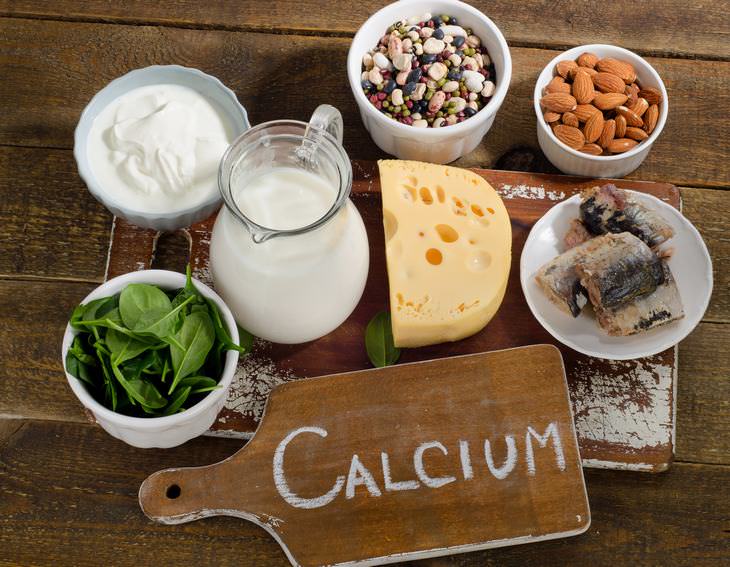
All adults should consume around 1000mg of calcium a day. In order to
maintain a proper calcium intake, your diet should include dark leafy
greens including kale, collards, as well as broccoli and turnip greens.
For other calcium-rich foods, it is necessary to eat more fatty fish
including salmon, sardines, mackerel, and tuna, as well as cheese, milk,
soybeans, almonds and sesame seeds. Furthermore, to help your body
absorb calcium better you should increase your vitamin D intake which is
found in foods like egg yolks, oysters, shrimps, mushrooms as well as
fortified foods like cereal, oatmeal, and orange juice.