Looking To Cut Back On Sodium? Try These 5 Handy Tips
Most of us end up eating a lot more sodium than we should. Yes, sodium is an essential nutrient and our body does need a little bit of salt every day to function properly. However, too much salt is harmful to the body, as excessive salt consumption is linked to the development of high blood pressure, heart disease, and stroke.
Reducing sodium in your everyday diet can definitely help keep your blood pressure stable. Thankfully, you can easily cut down on your sodium intake, and you don’t even have to make lots of diet changes. The fact is, we can easily get around 75% of our daily salt intake from everyday foods like soups, tomato sauce, breakfast cereal, and canned goods. So you don’t necessarily need to add salt to your food just out of habit. Some foods even taste better without it.
If you’re looking for ways to cut down on your sodium intake, these tips will help.
1. Understand your sodium limit
Before you decided to cut back on your salt intake, it’s important to
know what your optimal sodium intake should be. According to the
American Heart Association, an ideal limit of sodium should be no more
than 2,300 mg per day for most healthy adults. For people with high
blood pressure, the recommended limit is 1,500 mg a day.
1 teaspoon of salt contains 2,300 mg of sodium. Keep this in mind as you
plan your daily meals, and make sure that you're not eating too much
sodium by unnecessarily adding salt to your foods.
2. Shop for low sodium foods
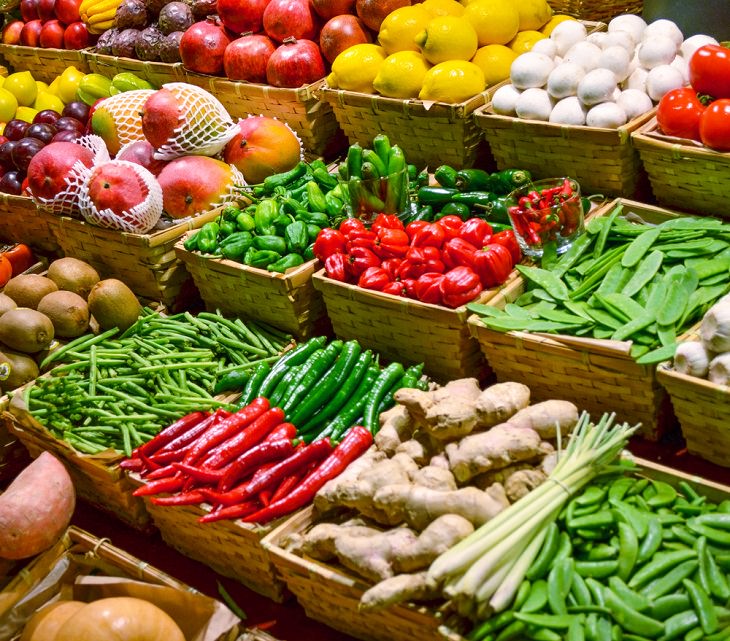
Be smart when you are shopping. Sodium is present in almost all the
processed and prepared foods we buy. So, look for low-sodium foods
instead of items that are high in sodium.
The foods you should avoid in low-sodium diets include-
Sauces , dressings and condiments.
Instant foods such as flavoured rice / noodles.
Deli meat, fish, poultry- like bacon, cold cuts, ham, frankfurters, sausages and sardines.
Canned beans with added salt.
Frozen meals with bread in them, like burritos and pizzas.
Some great foods that are low in sodium include-
Any fresh fruits/ vegetables like apples, oranges, bananas, spinach, carrot, broccoli.
Cereals, bread and other gains like brown or wild rice, buckwheat or quinoa.
Instead of processed foods, choose foods high in protein like fresh/ frozen fish/ shellfish, chicken/ turkey breasts without skin/ marinade, dried beans and peas/ eggs.
Select unsalted or low-sodium fat-free broths, bouillons or soups.
An important things to remember to keep in mind while grocery shopping is to compare nutrition labels on food packaging and checking the amount of sodium in foods. Read labels carefully and opt for low-sodium products. Watch out for the words “ soda”. “ sodium”, and the symbol “Na” on food labels. These labels indicate that a product contains sodium compounds. Look for foods labeled “low sodium”, “reduced sodium”, or “ no salt added”.
3. Add more potassium to your diet
Add more potassium to your diet. Eating foods with potassium is known to help
lower blood pressure. The American Heart Association says that “the more
potassium you eat, the more sodium you lose through urine.” They also point out
that potassium helps ease tension in your blood vessel walls, which helps lower
the blood pressure even further.
Some good sources of potassium are potatoes, cantaloupes, bananas, beans, milk,
and yogurt. Apricots, avocados, fat-free yogurt, mushrooms, peas, and oranges
are other examples of potassium-rich foods. The recommended potassium intake
for a healthy adult is 3,500–4,700 mg daily.
Bear in mind, though, that patients with kidney disorders
should first consult their doctor before adding potassium-rich foods to their
diet. When someone is suffering from kidney disease, their kidneys cannot
properly remove extra potassium, and too much potassium can then stay in the
blood, which can be dangerous.
4.Keep an eye on salt content when eating out
When we are eating out, we don’t normally keep an eye on the salt content in
the foods we are served, but we definitely should because restaurant food is
often high in sodium. Here are a few helpful tips:
Before you order your meal, ask if there are any low-sodium dishes on the menu.
* While ordering food, be very specific about the way you want it to be prepared and let the server know that you don’t want any extra salt added to your meal.
* Don’t use the salt shaker. Resist the temptation, even if you feel that the food is low in salt.
* Instead of salt, add fresh lemon juice. It’s a much healthier alternative anyway.
5. Cook with less salt
This is perhaps an obvious tip, but not necessarily the easiest one to follow. Many of us are used to adding generous amounts of salt when we cook, but you must learn to resist that urge. First of all, take the salt shaker off your table and start using healthy salt alternatives.
* Try black pepper on pasta, scrambled eggs, or pizza.
* Fresh herbs and spices like ginger or garlic are also a great option for adding to vegetables and meat.
* Choose some delicious salt-free seasoning alternatives like dry mustard, lemon juice, cumin, green pepper, or bay leaf.
* If you depend a lot on canned foods, make sure you rinse them well before eating or cooking. That should wash away some of the salt.
If you have kidney disease, consult with your doctor about
the ideal salt substitute for you.
Remember that if you are used to having a lot of salt in your foods, it will
take time for your taste buds to adjust to a low-sodium diet. But don’t give
up. Once you have adjusted to this diet, you will realize how healthy it is to
be consuming less salt every day, and you won't be tempted to go back to
sodium-rich foods ever again.