This Little-Known Fruit is Great for Improving Memory
We all know and love coffee. It's that aromatic beverage that kickstarts our mornings and keeps us going through the day. While many know about the benefits of coffee itself, fewer are aware of coffee fruit, which is the fruit surrounding the coffee beans. While often discarded during coffee processing, this fruit has emerged as a superfood packed with benefits for your body and mind. Its unique combination of antioxidants and natural compounds is turning heads in the wellness community, offering advantages that many are only now discovering.
Let's explore what coffee fruit is, what nutrients it contains, and the myriad benefits it can offer.
What is coffee fruit?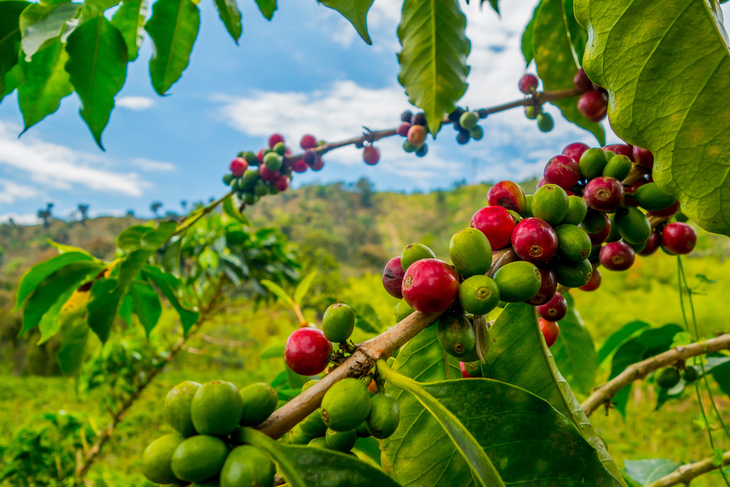
Coffee fruit, also known as coffee cherry, is the small, red or purple
fruit that surrounds the coffee bean. While coffee beans are roasted to
brew the beloved beverage, the outer fruit is often overlooked.
Historically, coffee farmers discarded the fruit, unaware of its
nutritional value. However, recent studies have highlighted its
potential, turning coffee fruit into a sought-after ingredient in
supplements, drinks, and health products.
The fruit is mildly sweet with a tart flavor, resembling berries. Its
pulp and skin are rich in compounds that offer numerous health benefits,
which is why it’s being repurposed into extracts, powders, and teas.
A nutritional powerhouse: What's inside coffee fruit?

Coffee fruit offers a unique nutritional profile that's quite different
from the roasted coffee beans we typically enjoy. Here's a closer look
at some key components:
Antioxidants: Coffee fruit is brimming with antioxidants, particularly chlorogenic acid and anthocyanins. These potent antioxidants help combat free radical damage in the body, potentially reducing the risk of chronic diseases.
Dietary Fiber: Coffee fruit is a good source of dietary fiber, which plays a crucial role in gut health, digestion, and promoting feelings of satiety.
Vitamins and Minerals: Coffee fruit offers a good dose of essential vitamins and minerals, including vitamin C, potassium, and magnesium.
Low Caffeine Content: Compared to roasted coffee beans, coffee fruit has a significantly lower caffeine content. This makes it a great option for those seeking the health benefits of coffee without the jitters. With such a nutrient-rich profile, it’s no wonder coffee fruit is being hailed as a super-food. Let’s explore its benefits in more detail.
1. Boosts brain health and cognitive function
One of the most promising benefits of coffee fruit is its ability to
support brain health. Coffee fruit extract has been found to increase
levels of brain-derived neurotrophic factor (BDNF), a protein that plays
a key role in brain cell growth and repair. Higher BDNF levels have
been associated with improved memory, focus, and learning abilities.
Studies suggest that coffee fruit can help slow age-related cognitive
decline by encouraging the production of new brain cells. This makes it
particularly valuable for older adults looking to maintain their mental
sharpness. Unlike other cognitive boosters, coffee fruit achieves this
naturally without overstimulating the nervous system.
With its antioxidant-rich composition, coffee fruit also protects the brain from oxidative stress, reducing the risk of neurodegenerative diseases like Alzheimer’s. Incorporating coffee fruit into your diet could give your brain the boost it needs.
2. Supports a strong immune system
Thanks to its high antioxidant content, coffee fruit is a powerful
immune system supporter. Antioxidants, particularly polyphenols, help
neutralize free radicals in the body, which can otherwise damage cells
and weaken immunity. Regular intake of coffee fruit may help your body
fight off infections, inflammation, and other health issues caused by
oxidative stress.
In addition to antioxidants, coffee fruit contains essential vitamins and minerals that contribute to overall immune function. Its natural anti-inflammatory properties further assist in reducing chronic inflammation, which is often linked to immune dysfunction.
Coffee fruit reduces oxidative stress and promotes cellular repair, ensuring that your immune system is prepared for any challenge you may face.
3. Natural energy boost without the jitters
For those looking for a gentler alternative to traditional coffee,
coffee fruit offers a natural energy boost. While it contains caffeine,
the levels are much lower than in roasted coffee beans. This allows you
to enjoy a steady energy lift without experiencing the jitters, crashes,
or over-stimulation associated with high-caffeine drinks.
Coffee fruit’s energy-boosting effects come from its combination of
natural caffeine and antioxidants. It stimulates alertness and mental
clarity while supporting overall health. Many athletes and fitness
enthusiasts have started incorporating coffee fruit into their
pre-workout routines for a balanced energy source.
If you’re sensitive to caffeine but still need a little pick-me-up, coffee fruit might be the ideal solution.
4. Promotes healthy skin
The antioxidants in coffee fruit do more than support internal
health—they also work wonders for your skin. Oxidative stress and
inflammation are major contributors to premature aging, wrinkles, and
dull skin. Coffee fruit’s polyphenols help combat these issues by
neutralizing free radicals and promoting skin cell regeneration.
Some studies suggest that coffee fruit extract may improve skin
elasticity, reduce redness, and enhance overall skin tone. Its ability
to support collagen production makes it a valuable ingredient in
skincare products aimed at anti-aging.
5. Supports heart health
Coffee fruit contains chlorogenic acid, a compound well-known for its heart health benefits. Chlorogenic acid helps regulate blood pressure, reduce inflammation, and improve blood vessel function, all of which are essential for cardiovascular well-being.
The antioxidants in coffee fruit further support heart health by reducing oxidative stress and inflammation, two factors that contribute to heart disease. Regular consumption of coffee fruit may help lower the risk of hypertension, stroke, and other cardiovascular issues.
Its low caffeine content makes it a heart-friendly option for individuals looking to maintain energy levels without overstimulating their system. Adding coffee fruit to your routine could be a small but impactful step toward better heart health.
6. Aids in metabolism and weight management
Coffee fruit may support metabolism and help with weight management,
thanks to its chlorogenic acid content. This compound is known to
regulate glucose levels and improve fat metabolism, making it easier for
the body to burn calories efficiently.
In addition to boosting metabolism, coffee fruit helps reduce
inflammation, which is often linked to weight gain and obesity. Its
combination of antioxidants and gentle caffeine provides energy for
physical activity without the need for high-calorie energy drinks.
When combined with a balanced diet and regular exercise, coffee fruit can play a role in maintaining a healthy weight and improving overall metabolic function.
7. Reduces inflammation and supports recovery
Chronic inflammation is at the root of many health problems, including
arthritis, diabetes, and heart disease. Coffee fruit’s polyphenols and
antioxidants are natural inflammation fighters, helping to soothe the
body and reduce long-term damage.
Athletes and fitness enthusiasts may also benefit from coffee fruit’s anti-inflammatory properties, as it aids muscle recovery after intense workouts. It reduces soreness and supports faster healing, allowing for consistent physical performance.
Whether you’re managing inflammation-related conditions or simply
looking to support post-workout recovery, coffee fruit provides a
natural and effective solution.