Scalp Acne is a Real Thing. Here's How to Banish It!
Acne is less commonly found on the scalp
than on certain other areas of the body, however, it can be just as much
of a nightmare. Read on to discover the causes behind scalp acne, as
well as how to prevent and treat it.
The Causes of Scalp Acne
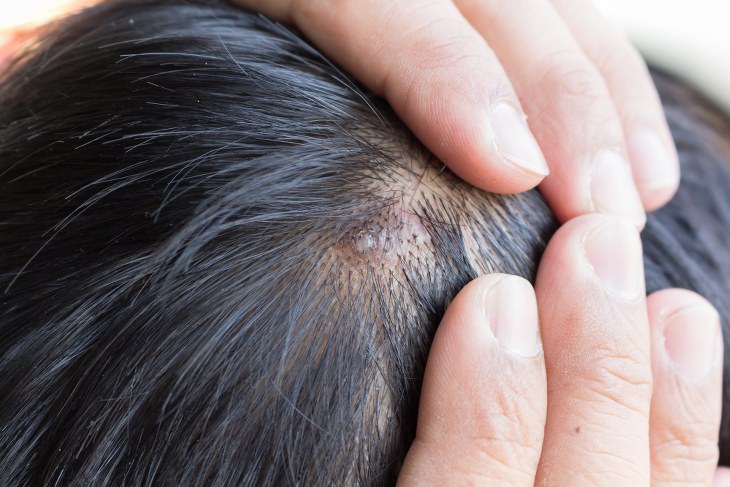
Scalp acne typically appears as small zits
or pimples on the scalp, as well as on the back of the head, both of
which can be sore and itchy. Like most kinds of pimples, the ones found
on your scalp form after hair follicles or pores get clogged with sebum
or dead skin cells. It is also possible for acne to appear after mites,
yeast or bacteria have gotten into your pores, causing a reaction.
The most common acne-causing factors include:
• a buildup of products, such as hair gels, leave-in treatments, or
hairspray
• oil or dead skin cells clogging your follicles
• not washing your hear after sweating a lot
• not taking the time to wash your hair thoroughly
• sweating while wearing hats or head coverings
The main germs that can cause severe scalp acne include:
• Cutibacterium
• Staphylococcus epidermidids
• Demodex folliculorum
• Staphylococcus aureus
• Propionibacterium acnes
• Yeasts from the Malassezia family
Type of Scalp spots
Type of Scalp spots
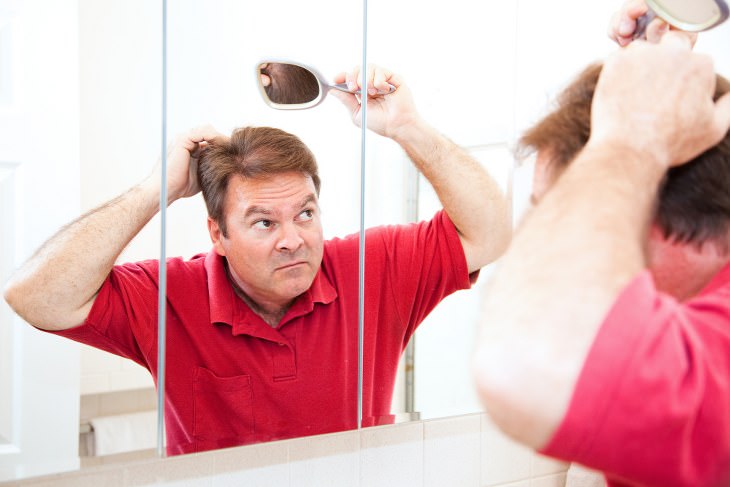
When spots appear on your scalp, they could
appear for quite a number of reasons. Here are some of the most common
ones:
Scalp folliculitis - this is a condition where bacteria causes your hair
follicles to become inflamed and infected, resulting in the appearance
of very itchy, small, red bumps.
Seborrheic dermatitis - this is a condition which causes dandruff and
can leave the scalp looking red and scaly, which can leave marks that
look like pimples if you pick at them.
Pilar cysts - these are hard bumps that are full of keratin, which form
beside the hair root. These bumps do not usually have a white head,
unlike scalp acne.
How to Prevent Scalp Acne
Having a clean scalp goes a long way
towards preventing the appearance of scalp acne. Therefore, the best way
to prevent scalp acne is to wash your hair after every workout and
whenever it feels oily.
Further ways to reduce the chances of scalp acne appearing are:
• getting enough vitamin A, D, and E, to keep the skin healthy
• wearing loosely-fitting headgear
• switching to natural, hypoallergenic hair care products
• avoiding using too many different hair products
• watching your diet to see what kinds of foods cause flare-ups
How to Treat Scalp Acne
Doctors usually recommend medicated or
scalp treatment shampoo to treat scalp acne since they will remove any
dirt or excess oil while preventing future buildups from occurring.
Many natural shampoos for scalp acne can be found online, and the most
common ingredients they use include:
• tea tree oil
• glycolic acid
• salicylic acid
• ketoconazole
• ciclopirox
• benzoyl peroxide
For more severe cases of scalp acne, your doctor may need to prescribe
some of the following treatments:
• steroid injections
• oral antibiotics
• topical antibiotic ointments or steroid creams
• antihistamines
• stronger acne medication, such as isotretinoin
• phototherapy sessions