7 Things Your Feet Might Be Trying To Tell You
Many times when we feel ill, we rush to the
mirror in the house and examine our faces to check if we are pale,
flushed, or show other signs of illness. However, instead of looking at
the obvious whenever you aren’t feeling well, you may want to try to
look a little further down at your feet that contain quite a few clues
about your health, and sometimes even alert you to the feasibility of
many serious diseases. From diabetes to cardiovascular disease, these
are seven symptoms that appear in your feet which you shouldn’t ignore.
1. Change of skin color and shape
Unfortunately, our natural tendency is to ignore our feet completely
until they hurt, when in fact they function like any other organ in the
body, and they may “quietly” allude to a variety of illnesses, including
cancer. According to American Podiatrist Dr. Jane Andersen, skin cancer
is one of the most common diseases in the foot area, as many of us do
not protect it with sunscreen as we do the upper body and face. "If you
see a mole that has grown abnormally or notice unexplained color changes
in the skin, this should be carefully examined."
In addition, Dr. Andersen strongly recommends not skipping the toes and
fingernails in search of dark spots that may signal the development of
melanoma, one of the most common skin cancers.
2. Pain
We all suffer from foot pain from time to time, especially after a long
day of running from place to place. But what happens if the pain appears
for no apparent reason? According to Dr. Andersen, unexplained pain can
signal a host of diseases, and severe pain that occurs immediately when
we get out of bed and fades throughout the day can indicate the onset
of inflammation in one of the leg joints because the joint heats up as
we are active and hardens when we rest.
In order to prevent inflammation, it is recommended that you don’t
compromise on good sports shoes and make sure to change them every year.
If this is a pain that worsens throughout the day, this symptom may
indicate a stress fracture caused by an unbalanced workout routine,
which may worsen over time, so you may want to consult a specialist as
soon as possible if you experience this type of pain.
3. Numbness and tingling
Tingling in the feet is a well-known phenomenon that appears when we
inadvertently block blood flow by sitting cross-legged, lotus style, or
placing a foot on a leg. If you notice that there is a feeling of
tingling that appears without you sitting in one of these positions, Dr.
Andersen warns that this symptom may indicate serious health problems
from diabetes to excessive alcohol consumption.
Diabetes reduces blood flow to the feet and in extreme cases can lead to
nerve damage and may even require amputation due to the formation of
necrosis. In addition, numbness in the legs may be caused by excessive
consumption of alcoholic beverages, due to the products of decomposition
of alcohol that cause the destruction of nerve cells in the body.
4. Swelling
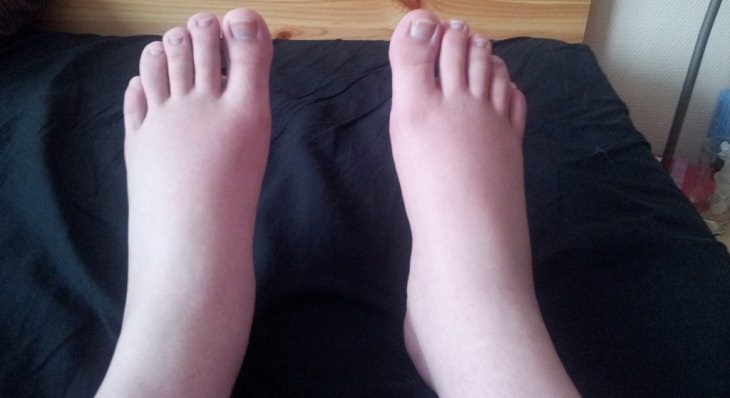
In addition to our feet swelling after standing on them for long hours
without rest, swollen feet may also indicate heart, liver and kidney
disease. According to Dr. Andersen, excessive swelling in an area with
no history of unusual physical injury or exertion may occur as a result
of the accumulation of salts and fluids, which is considered to be one
of the known symptoms of heart failure and kidney failure. Liver disease
can also lead to the accumulation of fluid in the legs, due to lack of a
protein called albumin produced in the liver, which is responsible for
the balance of fluids in the body.
5. Constant itching
Apart from the constant itching and bad smell, foot fungus that isn’t
treated in time can also cause nail damage and even increase the chances
of foot infections. In addition, fungi have a tendency to attack and
infect other parts of the body, which can only prolong treatment. It is
worth knowing that as you get older, your body's ability to fight
infections decreases and the chances are that the disease will worsen
and develop beyond a specific infection, therefore, it is important to
treat it when first noticed.
6. Sudden change in walking
Each and every one of us has a unique style of walking, and such habits
don’t change overnight. If you notice that your walking is changing or
you hear it from people around you, you should seek medical advice
immediately because sudden changes in walking may result from the
appearance of various neurological problems, primarily stroke and
multiple sclerosis.
In cases of multiple sclerosis, the damage to the nervous system can
lead to the "numbness" of areas of the foot, sometimes without our
noticing it. Another reason that can cause changes in walking is pain in
the back area due to various physical infections and injuries, which
can cause us to change our walking and posture unconsciously to prevent
putting a heavy load on the affected area.
7. Cold feet
Most of us some suffer from cold feet, a phenomenon that is quite common
during the cold winter months. But if you notice that you can’t warm
your feet up despite all the efforts, it is very possible that the
problem is due to insufficient blood flow to the area. This symptom
should be taken seriously, especially during menopause, due to the
prevalence of peripheral artery disease (PAD) at these ages, a disease
that is manifested in the blockage of arteries, especially in the lower
extremities.
Apart from the possible appearance of foot wounds and edema, peripheral
artery disease increases the risk of heart disease. As a preventive
measure, Dr. Andersen recommends reducing salt-rich foods and avoiding
harmful habits such as smoking, both of which can partially alleviate
the problem.
T