7 daily habits people should adopt to reverse prediabetes
How to reverse prediabetes and stay healthy
Pre-diabetes
is a serious health condition where blood sugar levels are higher than
normal but not yet high enough to be diagnosed as type 2 diabetes. The
good news? It can be reversed with consistent lifestyle changes. Making
small but impactful adjustments to your daily habits can help regulate
blood sugar levels, improve insulin sensitivity, and prevent diabetes in
the long run.
Here are 7 daily habits that can help reverse prediabetes and promote long-term health.
Focus on a low-carb, high-fiber diet
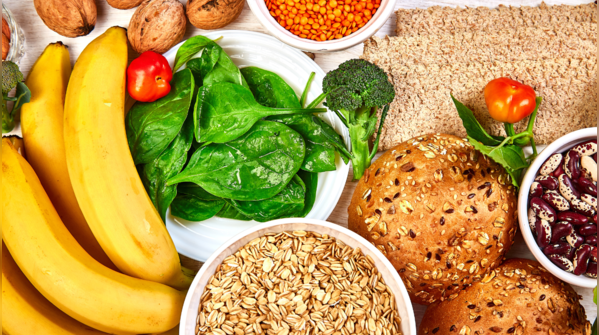
Carbohydrates directly impact blood sugar levels, and excessive intake of refined carbs (like white bread, sugary drinks, and processed snacks) can worsen insulin resistance. To manage blood sugar, switch to:
Whole grains (quinoa, brown rice, whole wheat)
High-fiber foods (beans, lentils, nuts, flaxseeds)
Non-starchy vegetables (broccoli, spinach, bell peppers)
Fiber slows down digestion and sugar absorption, preventing blood sugar spikes.
Regular physical activity

Exercise
is one of the most effective ways to improve insulin function and lower
blood sugar levels. Both aerobic exercise (like brisk walking, cycling,
and swimming) and strength training (like weight lifting or resistance
exercises) help reverse prediabetes.
Aim for at least 150
minutes of moderate-intensity exercise per week (such as 30 minutes per
day, five times a week). Even a short 10-minute walk after meals can
significantly reduce blood sugar levels.
Maintain a healthy weight
Even
a 5-10% reduction in body weight can significantly improve insulin
sensitivity and lower blood sugar levels, according to research
published in Diabetes Care. Excess fat, especially around the abdomen,
contributes to insulin resistance.
To manage weight effectively:
Focus on portion control and mindful eating
Avoid late-night snacking
Choose nutrient-dense foods over empty-calorie options
Reduce sugar and ultra-processed foods

Refined sugar and processed foods contribute to chronic inflammation and insulin resistance. Avoid:
Sugary drinks (soda, packaged juices)
White bread, pasta, and pastries
Processed snacks and fast food
Instead,
replace them with natural sweeteners (like stevia or monk fruit), and
focus on whole, unprocessed foods. Studies have shown that cutting down
on added sugar can lower fasting blood sugar and reduce the risk of type
2 diabetes.
Concentrate on getting a good sleep
Lack
of sleep affects hormones that regulate blood sugar and hunger,
increasing the risk of weight gain and insulin resistance. A study
published in The Lancet Diabetes & Endocrinology found that poor
sleep patterns are linked to higher blood sugar levels and a greater
risk of diabetes.
To improve sleep:
Stick to a consistent sleep schedule
Avoid blue light exposure (phones, TV) before bed
Create a dark, cool, and quiet sleep environment
Aim for 7-9 hours of quality sleep per night to support healthy metabolism and blood sugar control.
Do you know how to NOT take stress?

Chronic stress triggers the release of cortisol, a hormone that increases blood sugar levels and worsens insulin resistance.
Effective stress management techniques:
Meditation or deep breathing exercises
Spending time in nature or with loved ones
Engaging in hobbies like reading or music
Yoga can help lower stress-induced blood sugar spikes.
Stay hydrated and limit sugary beverages

Dehydration
can lead to higher blood sugar levels because the body releases stress
hormones when fluid intake is too low. Drinking enough water supports
kidney function, which helps flush excess sugar from the bloodstream.
Tips for hydration:
Drink 8-10 glasses of water daily
Replace sodas and energy drinks with herbal teas or lemon water
Limit coffee intake to avoid caffeine-induced blood sugar spikes
T