11 Superfoods That Can Lower Breast Cancer Risk
Breast cancer remains one of the most common cancers among women, with more than 2 million cases recorded every year worldwide. Factors like genetics, lifestyle choices, and environmental influences contribute to its prevalence, making awareness and prevention crucial.
While medical advances have improved
treatment options for breast cancer, focusing on prevention is a
proactive approach to reducing risk. One of the simplest yet powerful
ways to support breast health is through diet. Research has shown that
certain foods can play a role in lowering the risk of breast cancer.
While no food can completely prevent cancer, certain foods are known to
contain nutrients and antioxidants that support your body’s ability to
fight the disease. Including these foods in your diet may help reduce
your risk of developing breast cancer over time. Here are 11 healthy
foods that can help reduce your breast cancer risk.
1. Dark Leafy Vegetables
1. Dark Leafy Vegetables
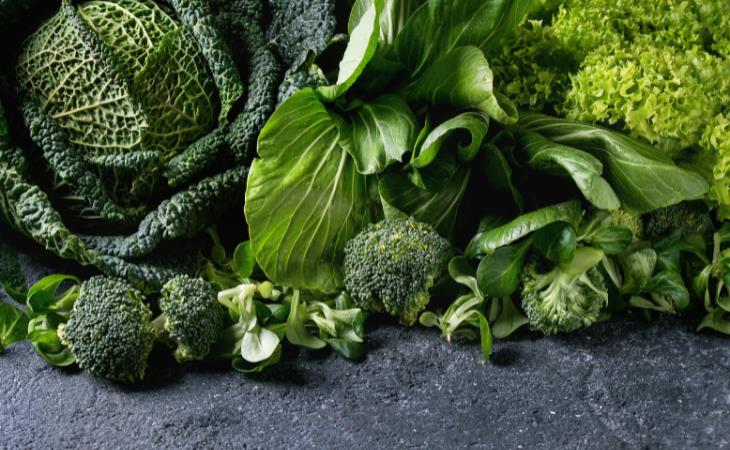
Kale, spinach, and collard greens are just a
few examples of dark, leafy greens that can help combat breast cancer.
These vegetables are packed with antioxidants that eliminate
cancer-causing free radicals. A 2012 study in the Journal of the
National Cancer Institute found that women who consumed dark leafy
greens had a much lower risk of developing breast cancer compared to
those who didn’t.
These greens are versatile and can be paired with almost any dish. Try
sautéing them with garlic and olive oil, or tossing them into salads and
sandwiches. They also add great flavor to soups and chilies.
Some tasty dark leafy greens to consider are:
Arugula
Bok choy
Collard greens
Dandelion greens
Kale
Mustard greens
Spinach
Swiss chard
Turnip greens
2. Cruciferous vegetables
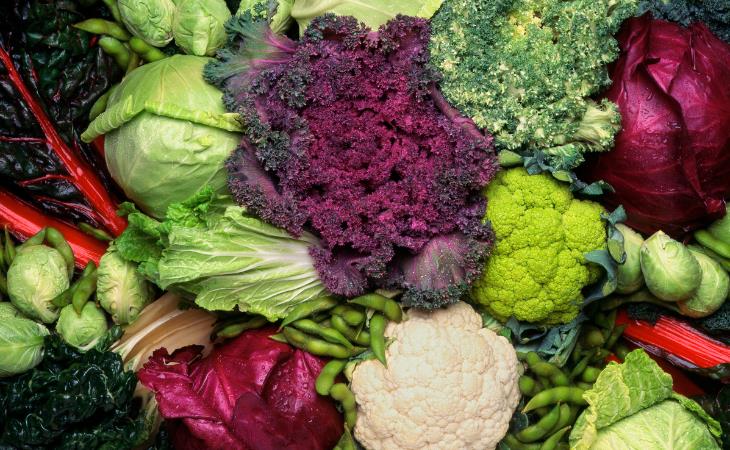
Eating more cruciferous vegetables such as
cauliflower, cabbage, and broccoli might lower your risk of breast
cancer. These veggies have compounds called glucosinolates that get
converted into isothiocyanates in your body, known for their
cancer-fighting properties. A study involving 1,493 women from Southern
China found that those who consumed higher amounts of these vegetables
had a decreased risk of breast cancer.
3. Berries
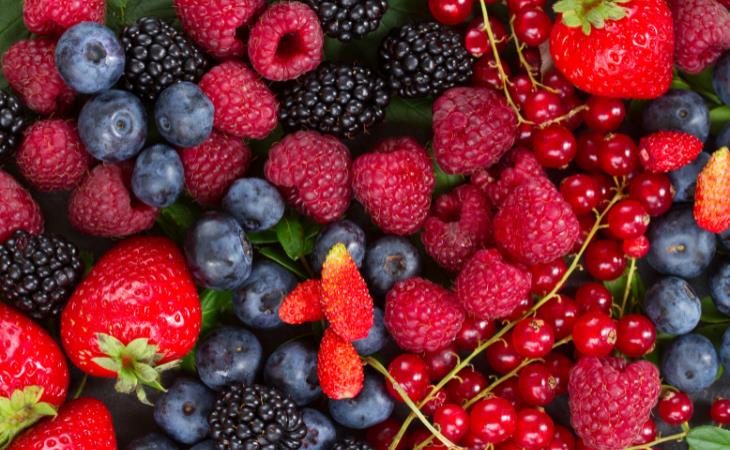
Berries are loaded with antioxidants and
vitamins that keep your cells safe, fix damage, and even slow cancer
cell growth. Dark berries, like blackberries and blueberries, are
especially rich, having 50% more antioxidants than lighter ones. A study
from 2016 in Antioxidants revealed that these berries may help destroy
breast tumors and cancer cells.
And the best part? Berries are super easy to add to your meals! Toss
them into your cereal, Greek yogurt, or oatmeal, or mix them into a
fruit salad. Just opt for fresh berries when you can—dried ones often
come with added sugars and lose some nutrients.
Here are some delicious berries to include in your diet:
Blackberries
Blueberries
Boysenberries
Cranberries
Elderberries
Lingonberries
Raspberries
Strawberries
4. Citrus fruits
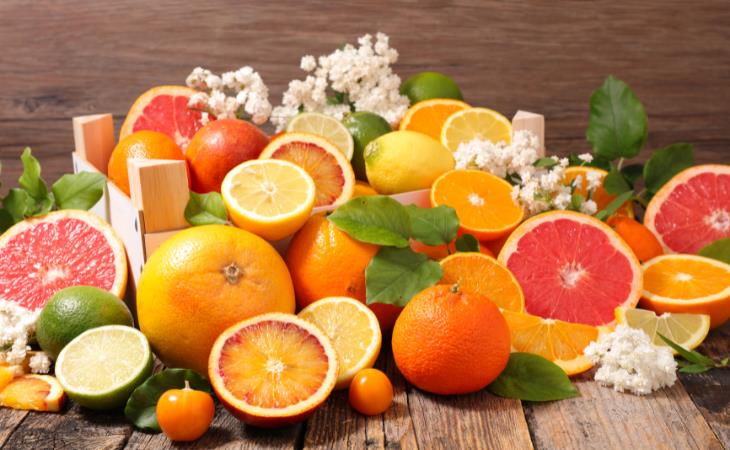
Packed with vitamin C, folate, calcium, and
more, citrus fruits may help ward off breast cancer. A study from 2013
in the Journal of Breast Cancer found that women who ate more citrus
fruits had a 10% lower risk of getting breast cancer.
Citrus fruits make a tasty snack on their own and can add a zesty kick
to your tea or water. They’re also perfect for spicing up salsas,
marinades, salads, and desserts.
Varieties of citrus fruits include:
Clementines
Grapefruits
Kumquats
Lemons
Limes
Oranges
Pomelos
Tangerines
Tangelos
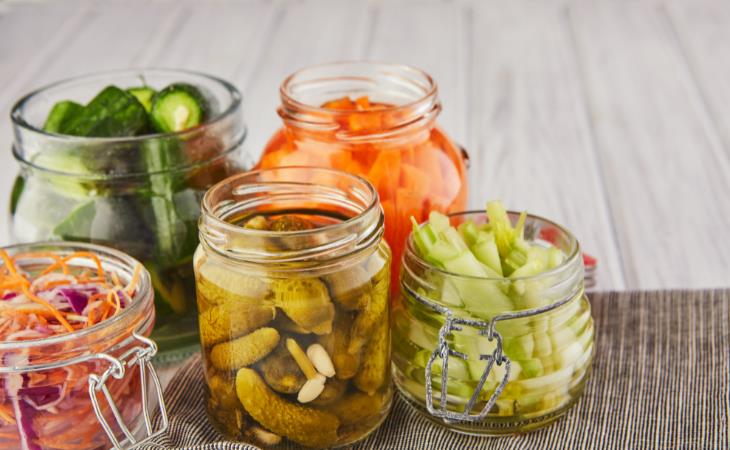
5. Fermented foods
Fermented foods are packed with probiotics,
helpful bacteria that boost your gut health. These probiotics can also
shield your body from harmful toxins linked to breast cancer. Research
shows they can even strengthen your immune system to fight cancer.
Try out these fermented foods:
Apple cider vinegar
Kefir - think drinkable yogurt
Kimchi - spicy
Korean cabbage
Kombucha - fizzy tea with a sweet twist
Miso, Natto, and more
These foods not only help with digestion but also come with antioxidants
to lower breast cancer risk. Give them a go to see which you enjoy.
6. Fatty fish
Fish like salmon and sardines are rich in
beneficial fats and antioxidants, which help lower inflammation linked
to breast cancer. A 2020 study revealed that women eating plenty of
fatty fish had reduced breast cancer risks.
Cook these fish by baking or smoking, or toss them into tacos and
sandwiches for a delicious meal.
Here are some fatty fish to consider:
Anchovies
Herring
Kippers
Mackerel
Pilchards
Salmon
Sardines
Trout
Tuna
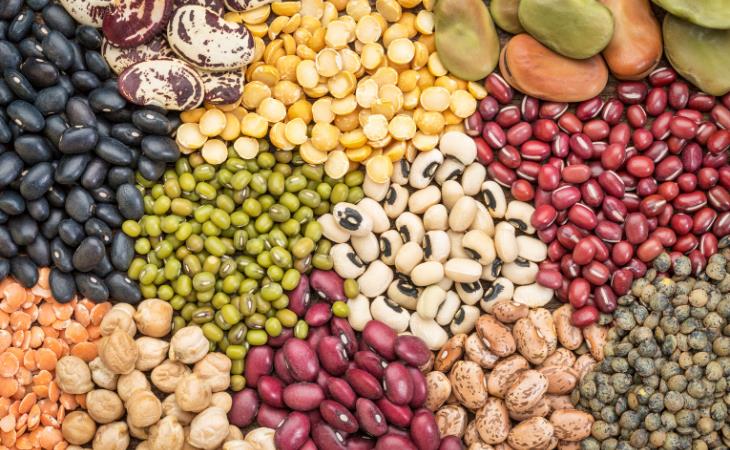
7. Beans
Beans are a great source of fiber,
vitamins, and minerals. Their fiber content could play a role in
reducing breast cancer risk.
A study from 2018 with more than 4,000 women revealed that high bean
consumption was linked to a 20% decrease in breast cancer risk.
Similarly, a 2020 study showed that women who ate beans had a 28% lower
risk compared to those with the least intake.
When shopping for beans, try to avoid canned ones because they tend to
have high sodium and additives. Dry beans are a better option—they’re
inexpensive, easy to store, and can be quickly cooked in a pressure
cooker.
Beans are incredibly versatile, perfect for soups, chilies, stews, and
burritos, and can even be used in vegan desserts like brownies.
Beans that might help reduce breast cancer risk include:
Black beans
Chickpeas
Kidney beans
Lentils
Navy beans
Peas
Pinto beans
Soybeans
8. Allium veggies
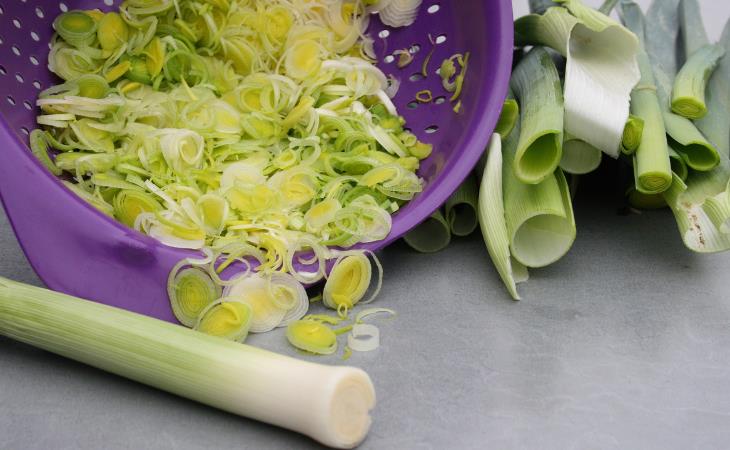
While "allium" is Latin for garlic, this
group includes other vegetables that might help reduce breast cancer
risk. Allium veggies are loaded with vitamin C, antioxidants, and sulfur
compounds that can prevent blood clots and boost the immune system. Per
a 2016 study in the Journal of Breast Cancer, eating lots of raw garlic
and leeks was linked to a lower breast cancer risk.
Allium veggies include:
Chives
Garlic
Leeks
Onions
Scallions
Shallots
They're great in stir-fries, soups, or salads, enhancing both taste and
health benefits.
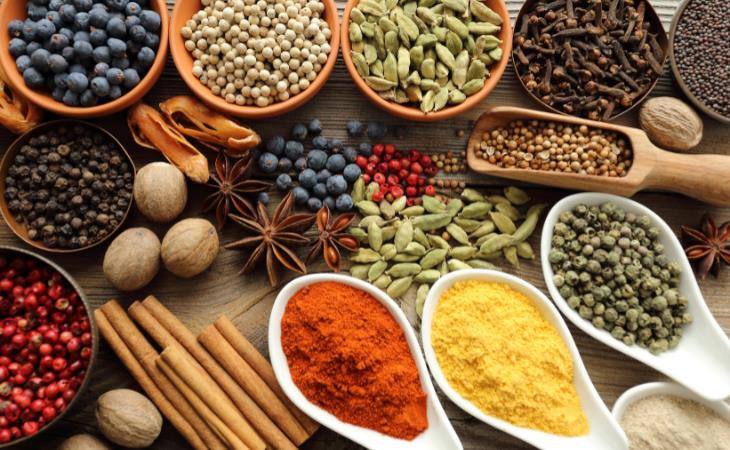
9. Herbs and spices
Herbs and spices are rich in plant compounds like vitamins,
fatty acids, and polyphenol antioxidants that may help guard against
breast cancer. Oregano, for instance, contains carvacrol and rosmarinic
acid, antioxidants that a 2017 study found to be effective against
aggressive breast cancer cells. Turmeric's curcumin and parsley's
apigenin also have strong anticancer properties.
Including a variety of herbs and spices like thyme, curry mixes, and ginger in your meals can provide these benefits.
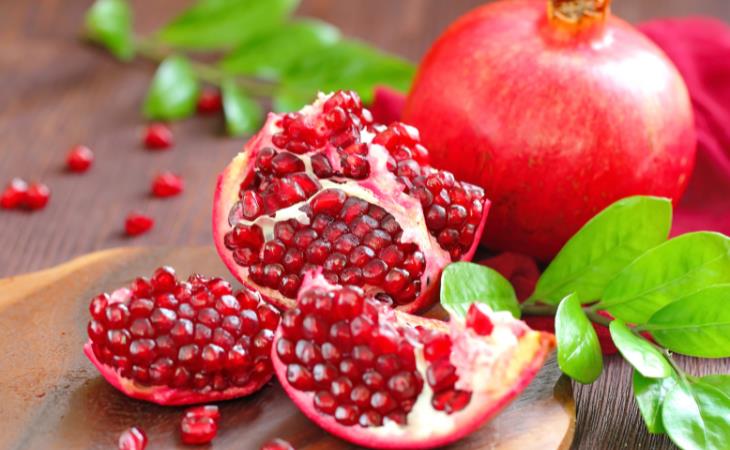
10. Pomegranate
Research has found that pomegranates might
help prevent and combat estrogen-related cancers like breast cancer. A
2010 study from Cancer Prevention Research found that they contain
ellagitannins, which can inhibit the growth of cancer cells. Fermented
pomegranate juice was found to reduce breast cancer lesions by 75% to
90% in a 2015 study published in Oxidative Medicine and Cellular
Longevity.
Incorporating pomegranate juice into your routine is super easy. You can
enjoy whole pomegranates by snacking on the seeds or tossing them into
salads, oatmeal, yogurt, or smoothies.
11. Walnuts
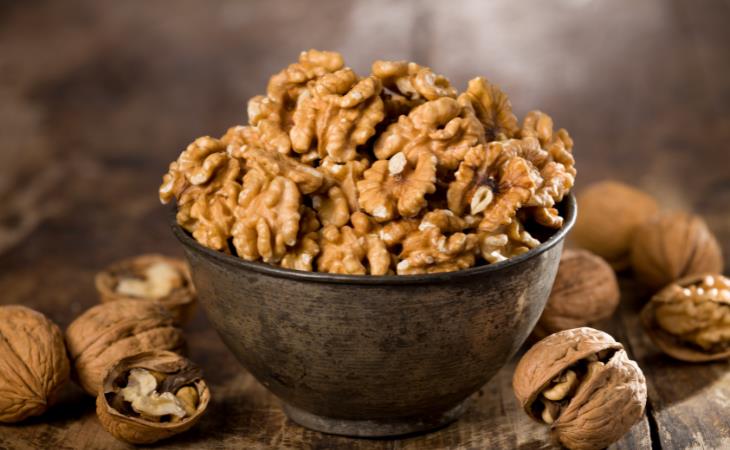
Rich in beneficial fats, walnuts could be a
nut worth cracking for breast cancer defense. Research from 2015 linked
high walnut consumption with a reduced breast cancer risk by 2-3 times.
In a study with breast cancer patients, eating walnuts daily for a few
weeks changed key gene activities related to cancer. Furthermore, a 2016
lab study found walnut components could reduce breast cancer cell
proliferation by 63%.
Breast cancer diet: Foods to avoid
Just as some foods can help guard against
breast cancer, there are those that might raise your risk. It's wise to
cut back on or steer clear of:
Alcohol: Even moderate drinking can up the risk. Limit to one drink per
day or less for women.
Red and processed meats: Bacon, sausages, and red meats, when eaten
often, have been linked to higher breast cancer risks. Opt for lean
proteins instead.
Sugary drinks and foods: High sugar intake can lead to weight gain,
which is a risk factor for breast cancer. Choose water or unsweetened
teas over sodas and limit sweets.
Trans fats: Found in some margarines, baked goods, and fried foods,
these fats should be minimized. Look for "partially hydrogenated oils"
in the ingredients list.
Highly processed foods: Foods with lots of preservatives, additives, or
those that are heavily refined can contribute to health issues like
breast cancer. Go for whole, natural foods when possible.
Refined carbs: Diets high in refined carbohydrates, such as the typical
Western diet, may elevate the risk of developing breast cancer. Consider
substituting refined carbs like white bread and sugary baked goods with
whole grain products and nutrient-rich vegetables.
Take a proactive step towards reducing your risk of breast cancer by
cutting down on these items in your diet. Your health is worth it!