Brain Autopsies Find New Clue to Alzheimer's Disease
Recent research spearheaded by the
University of Washington has shed new light on the role of microglia in
Alzheimer's disease, suggesting that these brain immune cells might not
only react to the disease's pathology but could also actively contribute
to its progression. This study, conducted by neuroscientists Katherine
Prater and Kevin Green, alongside colleagues from several U.S.
institutions, has identified novel microglial states that could
potentially serve as new targets for Alzheimer's treatment.
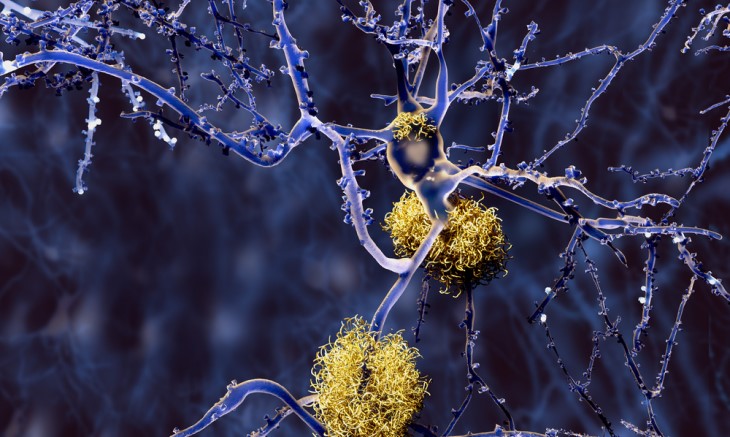
Microglia are specialized immune cells
residing in the brain and spinal cord. They are essential for
maintaining brain health, as they clear waste, remove dead cells, and
support the architecture of the brain’s neural network. Under normal
conditions, microglia act as the brain's first line of immune defense.
However, their role in neurodegenerative diseases like Alzheimer's has
been less clear and is a focal point for ongoing research.
In their study, Prater, Green, and their
team utilized advanced scientific techniques to deepen our understanding
of microglia's involvement in Alzheimer's. By employing enhanced
single-nucleus RNA sequencing methods, they analyzed brain tissue from
deceased individuals—12 diagnosed with Alzheimer’s and 10 without
neurological disease. This approach allowed them to examine the gene
expression profiles of microglia at an unprecedented resolution.
The researchers managed to identify ten distinct clusters of microglia
based on their genetic activity. Remarkably, three of these clusters had
not been previously identified. The presence of these new microglial
states highlights the cellular complexity within the
Alzheimer’s-affected brain and opens new avenues for understanding how
microglial functions might be altered in the disease.
One cluster, in particular, was found predominantly in individuals with
Alzheimer’s. This cluster is characterized by genes that are associated
with inflammation and the promotion of cell death—factors that could
contribute to the neurodegeneration observed in Alzheimer’s. This
suggests that in the context of Alzheimer’s, microglia may exacerbate
the disease's progression by becoming overly inflammatory, rather than
protective.
This discovery is significant because it
suggests a shift in our understanding of how Alzheimer’s develops.
Rather than being mere bystanders responding to brain damage, microglia
in Alzheimer’s patients appear to be in a pre-inflammatory state more
likely to harm than heal. This state makes them less effective at their
usual roles of clearing debris and may make them agents of inflammation
and damage.
The implications of these findings are profound. Historically,
treatments for Alzheimer’s have largely focused on targeting amyloid
plaques—a hallmark of the disease. However, these treatments have not
proven effective in altering the disease’s trajectory significantly. The
identification of harmful microglial states offers a new therapeutic
target. If researchers can find ways to modify these microglia from a
damaging state back to a protective one, it might be possible to slow or
halt the progression of Alzheimer's.
Furthermore, the study suggests that the behavior of microglia can
change over time, which adds another layer of complexity to their role
in Alzheimer’s. Tracking these changes over time could provide critical
insights into how the disease progresses and how early interventions
might be tailored to individual patients.
The University of Washington team is optimistic about the potential
applications of their research. “Now that we have determined the genetic
profiles of these microglia, we can try to find out exactly what they
are doing and hopefully identify ways to change their behaviors that may
be contributing to Alzheimer’s disease,” said Katherine Prater. This
could lead to the development of new drugs that specifically target
microglial cells, adjusting their activity to prevent them from causing
harm.
The study’s findings, published in Nature Aging, represent a pivotal
advancement in the field of neurodegenerative disease research. By
shifting the focus to immune cells in the brain, this research not only
broadens our understanding of Alzheimer’s pathology but also underscores
the potential for immunological approaches to treat or prevent the
disease.
As research continues, the hope is that these insights will lead to the
development of effective therapies that can improve the lives of those
affected by Alzheimer’s. While much work remains to be done, the path
forward is clearer, pointing to the possibility that altering microglial
behavior could be key to combating this devastating disease.
T