10 Reasons Why You're Always Hungry!
It’s one thing if you notice an increase in appetite if you’ve been exercising hard or if you’re pregnant, but if you always feel hungry for no obvious reason, then something’s definitely up. Figuring out why you can’t stop sticking food in your mouth is important, as excess hunger can create physical or mental health issues. Below are 10 possible reasons for your insatiable hunger.
1. You're dehydrated
According to Alissa Rumsey, RD,
spokesperson for the American Academy of Nutrition and Dietetics, “mild
dehydration is often masked as feelings of hunger, when really your body
just needs fluids.” This confusion happens in the hypothalamus, the
part of the brain which is responsible for both appetite and thirst.
When you’re dehydrated, wires get crossed in the hypothalamus, leading
you to grab a bag of chips instead of a bottle of water. Therefore, if
you’re feeling hungry and you know that you haven't drunk much that day,
drink a glass of water and wait 15-20 minutes to see if your hunger
subsides.
2. You’re a Restless Sleeper
By the time you have woken up after a poor night of sleep, two hormones
linked to appetite have already begun conspiring against you. Rumsey
states that “too little sleep can lead to surging levels of ghrelin, a
hormone that stimulates appetite, as well as decreased levels of leptin,
a hormone that causes feelings of fullness.” After poor sleep, you’re
more likely to have serious fatigue and brain fog. Therefore, your body,
desperate for a shot of energy, triggers cravings for sugar carbs even
if you’re not actually hungry. You should always aim for 7-8 hours of
sleep a night to ensure that your energy levels and hunger hormones are
kept on track.
3. You’re a Stress Case
Stress has a sneaky way of making you more voracious. When you’re tense,
your system increases the production of the stress hormones adrenaline
and cortisol. Elevated levels of these hormones trick your body into
thinking it’s under attack and needs energy, so your appetite starts
raging. Being stressed also reduces the levels of the brain chemical
serotonin, and that will make you feel hungry when you’re not.
4. You Load up on Starchy Carbs
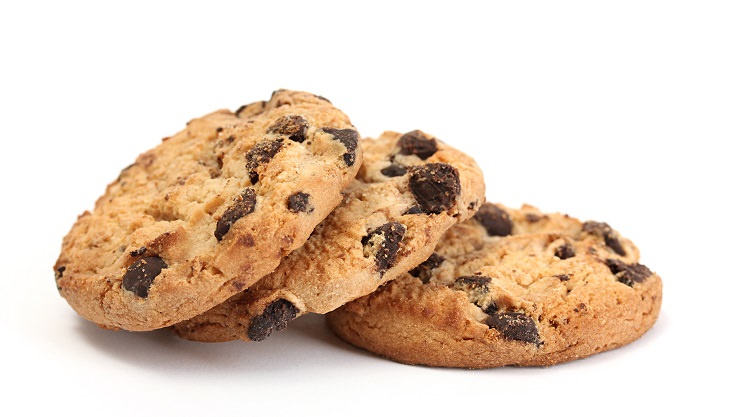
Maggie Moon, RD, a Los Angeles-based
nutritionist, states that “simple carbs, the kind found in sugary, white
flour foods like pastries, crackers, and cookies, spike your blood
sugar levels quickly, then leave them plunging soon after.” That plunge
causes intense hunger for more sugary carbs, and the vicious cycle
continues. Therefore, you can prevent fluctuating blood sugar levels by
simply avoiding simple-carb foods as often as possible. You can get your
carb fix by eating almonds, chia seeds, apples, and pistachios
5. You Drink Too Much Alcohol
That pre-dinner glass of wine that’s meant to whet your appetite before
the food arrives does exactly that, stimulating a feeling of hunger. A
study that was published in the journal Appetite, backs this up, finding
that people were more likely to consume foods high in calories after
drinking alcohol. To add to this, because booze dehydrates you, it can
trick you into thinking you need some food when all you really need is
some water. This effect can be offset by eating before you drink.
6. You’re Not Eating Enough Fat
Just like protein, unsaturated fat is also linked to feelings of
fullness. Rumsey states that “when you’re satisfied after a meal, you’re
more likely to listen to your hunger cues and not eat again until you
are truly hungry.” This heart-healthy, brain-boosting kind of fat can be
found in the form of oils, nuts, seeds, and avocados. Experts recommend
that adults limit their fat intake to 20-35% of their total daily
calories.
7. You Skip Meals
When you skip a meal and your stomach has been empty for too long, it
produces an increase in the production of the hunger hormone ghrelin.
Which ramps up your appetite. When you finally give in to your body’s
desires, you’re more likely to binge eat. Therefore, as a general rule,
you should try not to go more than 4-5 hours between meals. Even if you
hate breakfast, you should try to eat something small.
8. You Need to Eat More Protein
This may sound counterintuitive, but piling
your plate with more food – specifically lean protein and healthy fat –
will keep hunger pangs at bay. “Not only does protein stay in your
stomach and produce feelings of fullness, it’s been shown to have an
appetite-suppressing effect,” says Rumsey. You should aim for around 46
grams of protein per day, which is the RDA for women between the ages of
19 and 70. For men, it’s 56 grams per day.
9. You Inhale Your Food
When you wolf down your food, your stomach might be full, but your brain
hasn’t had enough time to register that fullness. When your brain is
still in the dark, it keeps your appetite high, and you continue to eat.
Therefore, you should try to eat your food slowly, savoring each bite
and enjoying a good meal. Then, you should wait about 20 minutes before
deciding whether you really need another portion. This is how long it
takes for that fullness signal to reach your brain.
10. You’re on Certain Meds
The drugs that you’re taking to treat a certain health condition can
also drive you to raid the fridge. Antidepressants such as Paxil and
Zoloft, as well as corticosteroids such as Prenisone, are known to
affect appetite, says Rumsey. If you’re on prescription medication and
feel hungry after a normal-sized meal, talk to your doctor to see if
it’s possible for you to change to another drug.
T