Modern Treatments for Shoulder Joint Injuries
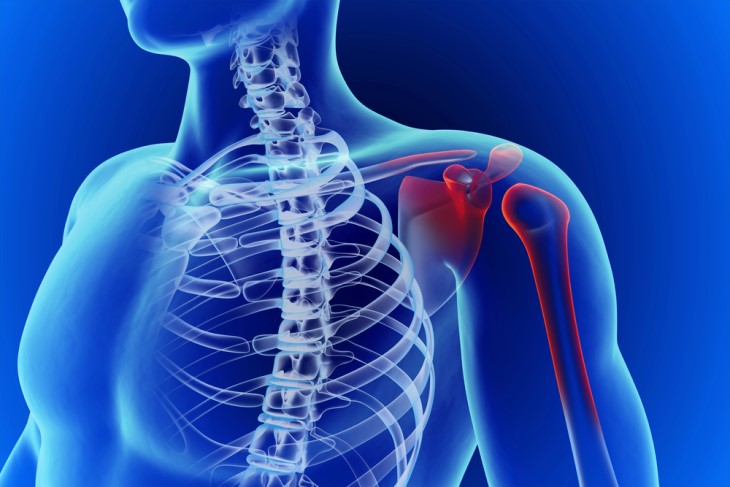
The shoulder joint is one of the most
critical components for everyday mobility, enabling a wide range of
motion for the upper limbs. Despite being referred to as a single joint,
the shoulder comprises several interconnected joints, primarily formed
by three bones: the humerus (upper arm bone), scapula (shoulder blade),
and clavicle (collarbone). Among these, the glenohumeral joint—formed by
the humeral head and the glenoid cavity of the scapula—is particularly
significant, offering extensive mobility but making the shoulder prone
to injuries. In this article we're going to discuss some of the
innovatives techniques specialists can use today for treating these
injuries.
Anatomy and Function of the Shoulder
The shoulder’s glenoid cavity is surrounded by a cartilage structure
called the labrum, which facilitates smooth motion and adds stability.
Surrounding the joint are ligaments, tendons, and the rotator cuff
muscles, all working in harmony to stabilize and mobilize the shoulder.
Common Shoulder Injuries
1. Shoulder Dislocation
A dislocated shoulder is an acute and painful condition caused by
trauma. Typically, the humerus is displaced forward, damaging the
cartilage, labrum, and sometimes the bony structures of the shoulder.
This condition is often accompanied by deformity and restricted
movement.
Who’s at Risk?
Young adults (ages 18–30), particularly athletes or individuals
engaging in high-impact activities.
Older adults, where dislocations often involve tendon injuries
due to low-energy traumas such as falls.
Diagnosis
Diagnosis begins with a physical examination and X-rays, followed by
advanced imaging like an MRI with arthrography (MRA) to assess soft
tissue damage.
Treatment Options
Non-Surgical:
Reduction of the dislocation followed by physical
therapy to strengthen the shoulder.
Surgical: Procedures include arthroscopic repair (for soft
tissue injuries) or the Latarjet procedure (for significant bony
damage). Surgical intervention is often recommended for young patients
to minimize recurrence.
2. Rotator Cuff Tears
The rotator cuff is a group of four tendons critical for balanced
shoulder movement. Tears in these tendons, particularly in older adults,
are common and may result from trauma or degenerative processes.
Symptoms:
Pain radiating to the scapula and upper arm during movement.
Difficulty performing everyday activities like lifting or
reaching.
Diagnosis:
Physical examination, ultrasound, or MRI scans to determine the
extent of the damage and associated muscular degeneration.
Treatment Options:
Conservative Management: Pain relief through medications,
physiotherapy, or localized steroid injections.
Surgical Repair: For full-thickness or symptomatic tears,
minimally invasive arthroscopic techniques are used to reattach the
tendon.
Balloon Implant Surgery: An innovative procedure for cases where
traditional repairs are not viable due to muscle atrophy.
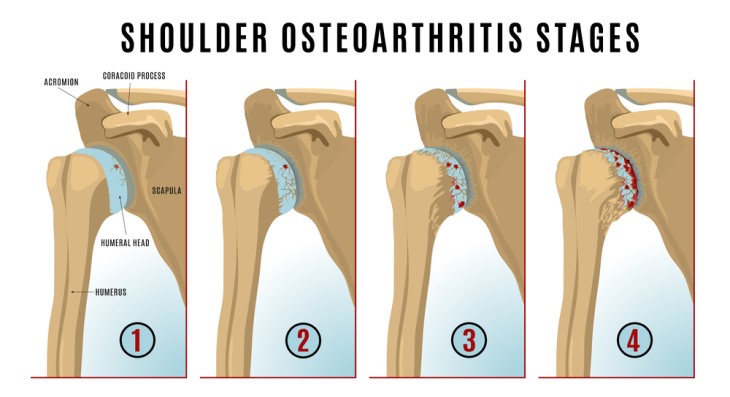
3. Chronic and Degenerative Conditions
Long-standing injuries, untreated tears, or recurrent dislocations may
lead to shoulder osteoarthritis or significant functional impairment.
For older individuals with advanced joint damage, shoulder replacement
surgery is often the final recourse.
Surgical Innovations in Shoulder Care
And now we come to the crux of this article, and that is the innovative
advancements in shoulder surgery that have, in recent years, transformed
how injuries are treated, offering tailored solutions that improve
outcomes while really reducing the recovery time it takes after such a
treatment. Each surgical technique addresses specific challenges,
providing options that range from minimally invasive procedures to more
comprehensive reconstructions, ensuring patients can regain mobility and
function.
Arthroscopic surgery is a widely used as it's a minimally invasive
technique that is especially effective for repairing soft tissue
injuries such as labrum tears, rotator cuff tears, and ligament damage.
During the procedure, the surgeon makes small incisions around the
shoulder, inserting a camera and specialized tools to repair the damage
with precision. By visualizing the joint on a monitor, the surgeon can
restore the injured structures with minimal disruption to the
surrounding tissue. This approach results in smaller scars and quicker
recovery compared to traditional open surgery, though it is typically
reserved for cases with limited damage to bone or soft tissues.
For patients with recurrent shoulder
dislocations and significant bone loss, the Latarjet procedure is often
the preferred choice. Unlike arthroscopic repairs, this open surgical
technique addresses both structural deficiencies and instability. The
procedure involves transferring a piece of the coracoid bone from the
scapula to the front of the glenoid cavity, filling in areas of bone
loss and reinforcing the shoulder joint. This dual effect—restoring the
bony contour and providing additional stabilization from the transferred
tendon—makes it particularly suitable for athletes involved in
high-impact sports like football or judo. Although highly effective in
preventing further dislocations, the Latarjet procedure alters the
anatomy of the shoulder and requires a longer recovery time than
arthroscopy.
Shoulder replacement surgery is another transformative option, designed
for cases of advanced joint degeneration or irreparable damage. In
anatomic shoulder replacement, the damaged humeral head and glenoid
cavity are replaced with prosthetic components that mimic the natural
joint. For patients with compromised rotator cuff function, a reverse
shoulder replacement is often performed, reversing the positions of the
ball and socket to allow the deltoid muscle to compensate for the
weakened rotator cuff. These procedures provide significant relief from
pain and can restore a wide range of motion, though they are typically
recommended for older adults or those with severe joint damage due to
the extended recovery time and the finite lifespan of the implants.
In situations where traditional tendon repairs are no longer viable,
such as in cases of chronic rotator cuff tears with severe muscle
atrophy, balloon implant surgery offers an innovative solution. In this
minimally invasive procedure, a biodegradable balloon is placed into the
shoulder joint, providing cushioning and redistributing forces to
reduce pain and improve mobility. While it does not restore the torn
tendons, this technique can significantly enhance quality of life for
patients who might otherwise face permanent limitations. Recovery is
relatively short, and the procedure is particularly well-suited for
older patients with lower activity demands.
Another modern approach that complements
surgical treatments is platelet-rich plasma (PRP) therapy. Though not a
surgical technique, PRP injections are often used alongside or in place
of surgery for soft tissue injuries. By injecting a concentrated
solution of the patient’s own platelets and growth factors into the
affected area, PRP promotes tissue repair and reduces inflammation
naturally. While not a definitive solution for all cases, it is a
promising option for patients seeking to enhance healing without
invasive procedures.
Recovery and Rehabilitation
Post-surgical recovery often involves wearing a sling for a few weeks,
followed by months of physiotherapy. The duration of recovery depends on
factors like the patient’s age, the extent of injury, and adherence to
rehabilitation protocols. Advanced surgical techniques and early
intervention generally improve outcomes, enabling patients to regain
functionality and return to their routines.
To make sure you recover in record time, follow these important rules:
Follow Post-Operative Instructions: Adhere
strictly to your surgeon's guidelines regarding medication, wound care,
and activity restrictions to prevent complications and promote healing.
Engage in Physical Therapy: Participate diligently in prescribed
physiotherapy to restore mobility, strength, and function to your
shoulder. Consistency in performing recommended exercises is vital for a
full recovery. You won't believe how important it can be to do physical
therapy for your future range of motion and full capabilities. Make
sure you follow them and do all your "homework".
Manage Pain Effectively: Utilize prescribed pain medications as directed
and incorporate methods such as icing the shoulder to reduce swelling
and alleviate discomfort. Don't overdo it! It's hard to kick an
addiction to pain pills, and so it's best to be honest with yourself
every day about your actual need for them. We don't want you to be in
pain, but it's super easy to become addicted.
Sleep Positioning: Sleep in an upright or
semi-reclined position to minimize discomfort. Using pillows to support
the surgical arm can prevent inadvertent movements that may cause pain.
Avoid Smoking and Alcohol: Refrain from smoking and limit alcohol
consumption, as both can impede the healing process and increase the
risk of complications.
Ensure Proper Nutrition: Maintain a balanced diet rich in vitamins and
lean proteins to support tissue repair and overall recovery. Nutrients
such as Vitamins C and E are particularly beneficial for healing.
Prepare Your Home Environment: Arrange your
living space to accommodate limited mobility, ensuring that essential
items are within easy reach and that pathways are clear to prevent
accidents.
Monitor for Complications: Stay vigilant for signs of infection, such as
increased redness, swelling, or fever, and contact your healthcare
provider immediately if they occur.
Gradual Return to Activities: Avoid rushing back into strenuous
activities or lifting heavy objects until cleared by your surgeon.
Gradual progression under professional guidance ensures the shoulder
heals properly.
A few words about choosing the right
specialist
The success of shoulder treatments hinges on accurate diagnosis and the
expertise of the treating orthopedic specialist. It is crucial to
consult a surgeon with extensive experience in both conservative and
surgical management of shoulder injuries to determine the best course of
action tailored to individual needs. We're talking about your range of
motion, your ability to use parts of your body we use all the time. It's
imperative you fell 100% secure with your specialist and surgeon.
T